Cultic Studies Journal, Vol. 6, No. 1, 1989, Page 22
and gain and uses a misrepresentation to cause the competitor to lose the contract.
Suddenly, economically motivated conduct with the same intent subjects the actor to
liability.
Negation of liability likewise exists through the protection of certain social values. We
insulate infants (i.e., minors) from civil liability arising out of certain of their contractual
relations, and their intent is irrelevant because of their legal incapacity. Indeed, the law
continually wavers around the limitations of incapacity arising from infancy and the extent
of insulation from responsibility for acts which may injure another. The law treats persons
with diminished capacity in a manner which may vitiate their intent. It treats those who are
insane in a different manner when dealing with their volitional acts without an examination
of their intent in committing a particular act. It does not, however, extend that ambit of
protection to the merely careless.
Recognizing the social values in establishing exculpation in the face of intent and action
merely emphasizes the contextual relevance of analyses of intent and its subordination to
other factors in a complex field. Ultimately, the law recognizes the value of the individual‟s
independent and voluntary capacity when it protects him against the consequence of a
coerced act or act committed under duress. Here, regardless of whether the act is
intended, its consequences are a nullity for the actor and legal responsibility may be shifted
to the party administering the coercion, or duress, or exercising the undue influence.
Transferability of intent is not easily monitored in such circumstances and involves two
different policies. One protects the coerced person the second transfers liability to the
person administering the coercion. The scope may be different when applied to the two and
the existence of such differences merely again reinforces the limitations of a mechanistic
view of intent.
Social Values and Intent
In some instances the law has simply abandoned intent and replaced it with overt
assignment of legal responsibility, e.g., “no fault” liability insurance. Imposition of strict
liability as the consequence of action regardless of the absence of intent to injure evidences
social desire to allocate the risk to the actor and away from the victim. Conversely, simple
intent has been abandoned where protection of certain vital rights are involved. Heightened
requirements are added by establishing qualifiers to the concept of consent (such as
“informed” consent) so as to make clear the use of broad volitional inquiry. Similarly, in
applying the doctrines of waiver or ratification, proof requires full examination in order to
establish the breadth of understanding supporting the asserted waiver or ratification.
Indeed, certain waivers may be nullified regardless of the intent of the actor.
In many instances, including those involving coercive psychological influence, the search for
a mechanistic correlation of action and intent is as unavailing as the search for the golden
fleece. It is often an unwarranted diversion from the appropriate examination of pertinent
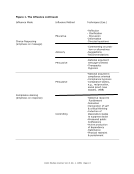
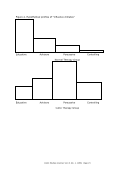
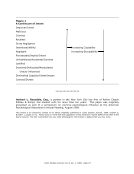
social values. Figure 1, which presents a continuum of intent, illustrates how much
evaluation of intent is intertwined with social judgments.
Fastening responsibility for action recognizes the social values we seek to protect, the
conduct we seek to deter, and the costs we seek to impose. Risk allocation is a more open
and ultimately productive method of legal analysis. Moving away from a purported analysis
of intent is in effect distancing our system of law and justice from an ad hominem approach
and progressing in the direction of a socially responsive one.
and gain and uses a misrepresentation to cause the competitor to lose the contract.
Suddenly, economically motivated conduct with the same intent subjects the actor to
liability.
Negation of liability likewise exists through the protection of certain social values. We
insulate infants (i.e., minors) from civil liability arising out of certain of their contractual
relations, and their intent is irrelevant because of their legal incapacity. Indeed, the law
continually wavers around the limitations of incapacity arising from infancy and the extent
of insulation from responsibility for acts which may injure another. The law treats persons
with diminished capacity in a manner which may vitiate their intent. It treats those who are
insane in a different manner when dealing with their volitional acts without an examination
of their intent in committing a particular act. It does not, however, extend that ambit of
protection to the merely careless.
Recognizing the social values in establishing exculpation in the face of intent and action
merely emphasizes the contextual relevance of analyses of intent and its subordination to
other factors in a complex field. Ultimately, the law recognizes the value of the individual‟s
independent and voluntary capacity when it protects him against the consequence of a
coerced act or act committed under duress. Here, regardless of whether the act is
intended, its consequences are a nullity for the actor and legal responsibility may be shifted
to the party administering the coercion, or duress, or exercising the undue influence.
Transferability of intent is not easily monitored in such circumstances and involves two
different policies. One protects the coerced person the second transfers liability to the
person administering the coercion. The scope may be different when applied to the two and
the existence of such differences merely again reinforces the limitations of a mechanistic
view of intent.
Social Values and Intent
In some instances the law has simply abandoned intent and replaced it with overt
assignment of legal responsibility, e.g., “no fault” liability insurance. Imposition of strict
liability as the consequence of action regardless of the absence of intent to injure evidences
social desire to allocate the risk to the actor and away from the victim. Conversely, simple
intent has been abandoned where protection of certain vital rights are involved. Heightened
requirements are added by establishing qualifiers to the concept of consent (such as
“informed” consent) so as to make clear the use of broad volitional inquiry. Similarly, in
applying the doctrines of waiver or ratification, proof requires full examination in order to
establish the breadth of understanding supporting the asserted waiver or ratification.
Indeed, certain waivers may be nullified regardless of the intent of the actor.
In many instances, including those involving coercive psychological influence, the search for
a mechanistic correlation of action and intent is as unavailing as the search for the golden
fleece. It is often an unwarranted diversion from the appropriate examination of pertinent
social values. Figure 1, which presents a continuum of intent, illustrates how much
evaluation of intent is intertwined with social judgments.
Fastening responsibility for action recognizes the social values we seek to protect, the
conduct we seek to deter, and the costs we seek to impose. Risk allocation is a more open
and ultimately productive method of legal analysis. Moving away from a purported analysis
of intent is in effect distancing our system of law and justice from an ad hominem approach
and progressing in the direction of a socially responsive one.