Cultic Studies Journal, Vol. 13, No. 1, 1996, page 9
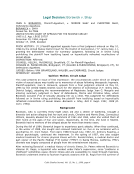
optimistic about the role of hypnosis in memory recall conceptualize a process whereby the
brain records and stores sensory input accurately, much like a videotape. Recall is the
ability to “play back” that tape, and loss of memory is the inability to retrieve that
information. [*17] See Little v. Armontrout, 819 F.2d 1425, 1429 (8th Cir.), aff‟d, 835 F.2d
1240 (8th Cir. 1987) (en banc), cert. denied, 487 U.S. 1210, 101 L. Ed. 2d 894, 108 S. Ct.
2857 (1988) Harker, 800 F.2d at 439 United States v. Valdez, 722 F.2d 1196, 1200 (5th
Cir. 1984) Scientific Affairs, supra, at 1920. Under this theory, hypnosis simply enhances
the retrieval process.
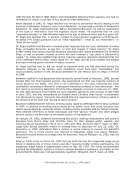
Many scientists reject this theory, however. They view memory recall as “much more
complex and much less accurate than previously thought.” State v. Tuttle, 780 P.2d 1203,
1210 (Utah 1989), cert. denied, 494 U.S. 1018, 108 L. Ed. 2d 498, 110 S. Ct. 1323 (1990)
see Scientific Affairs, supra, at 1920. Instead, they espouse a “construction theory” of
memory, which holds that a memory is formed and influenced by numerous factors when
the mind creates and integrates the information from an event “into the memory
representation of that event.” Valdez, 722 F.2d at 1200. The composite created by this
process is malleable and evolves over time as additional input is received. In fact, a leading
proponent of this theory has written that memory is “being continually remade [and]
reconstructed in the interest of the present,” F. Bartlett, Remembering 213 [*18] (reprint
1964) (1932), quoted in Little, 819 F.2d at 1429.
The “constructivists” are highly skeptical of any view that hypnosis can effectively and
accurately enhance memory. They believe that because hypnosis has the power to
contribute to memory reconstruction, it can create inaccurate memories. In other words, if
present events can contribute to a construction of a memory that differs from that which
was originally perceived and if the process of hypnosis is such an event, then hypnosis may
distort memory.
The courts have identified several problems with the reliability of hypnotically refreshed
recall. First, a person undergoing hypnosis becomes more susceptible to suggestion. The
subject may be influenced by verbal and nonverbal cues, intentionally or unintentionally
planted by the hypnotist. This suggestibility may be enhanced by the perception that
hypnosis will refresh one‟s memory and by a wish to please the hypnotist. See Rock, 483
U.S. at 59-60 Little, 819 F.2d at 1429 Hughes, 59 N.Y.2d at 534-35, 466 N. Y.S.2d at
260 State v. Hurd, 86 N.J. 525, 432 A.2d 86, 93 (N.J. 1981).
In addition, a hypnotized person may “confabulate,” that is, fill in the gaps in her [*19]
memory to make it comprehensible. The added details may be derived from irrelevant or
unrelated facts or from pure fantasy. See Rock, 483 U.S. at 60 Little, 819 F.2d at 1429-30.
Like suggestibility, confabulation can occur as a result of the subject‟s desire to please the
hypnotist by coming up with complete and coherent memories. See Harker, 800 F.2d at
440 Pearson v. State, 441 N.E.2d 468, 471 (Ind. 1982) (citing Levitt, “The Use of Hypnosis
to „Freshen‟ the Memory of Witnesses or Victims,” Trial, April 1981, at 56) Hughes, 59
N.Y.2d at 535, N.Y.S.2d at 260.
A third problem with hypnotically refreshed recall is “memory hardening,” a phenomenon
which gives the subject enhanced confidence in the facts remembered, whether they be true
or false. See Rock, 483 U.S. at 60 Harker, 800 F.2d at 440 Hughes, 59 N.Y. 2d at 535,
N.Y.S.2d at 260 (describing experiments that demonstrate this phenomenon). Even as
inaccurate recollections increase, the subject‟s confidence is likely to remain constant or
even to increase. In 1985 a leading scientific journal reported that no studies have shown
“an increase in accuracy associated with an appropriate increase [*20] in confidence in the
veracity of recollections.” Scientific Affairs, supra, at 1921. The lack of correlation between
the accuracy of recall and the subject‟s confidence in the accuracy makes it more difficult for
optimistic about the role of hypnosis in memory recall conceptualize a process whereby the
brain records and stores sensory input accurately, much like a videotape. Recall is the
ability to “play back” that tape, and loss of memory is the inability to retrieve that
information. [*17] See Little v. Armontrout, 819 F.2d 1425, 1429 (8th Cir.), aff‟d, 835 F.2d
1240 (8th Cir. 1987) (en banc), cert. denied, 487 U.S. 1210, 101 L. Ed. 2d 894, 108 S. Ct.
2857 (1988) Harker, 800 F.2d at 439 United States v. Valdez, 722 F.2d 1196, 1200 (5th
Cir. 1984) Scientific Affairs, supra, at 1920. Under this theory, hypnosis simply enhances
the retrieval process.
Many scientists reject this theory, however. They view memory recall as “much more
complex and much less accurate than previously thought.” State v. Tuttle, 780 P.2d 1203,
1210 (Utah 1989), cert. denied, 494 U.S. 1018, 108 L. Ed. 2d 498, 110 S. Ct. 1323 (1990)
see Scientific Affairs, supra, at 1920. Instead, they espouse a “construction theory” of
memory, which holds that a memory is formed and influenced by numerous factors when
the mind creates and integrates the information from an event “into the memory
representation of that event.” Valdez, 722 F.2d at 1200. The composite created by this
process is malleable and evolves over time as additional input is received. In fact, a leading
proponent of this theory has written that memory is “being continually remade [and]
reconstructed in the interest of the present,” F. Bartlett, Remembering 213 [*18] (reprint
1964) (1932), quoted in Little, 819 F.2d at 1429.
The “constructivists” are highly skeptical of any view that hypnosis can effectively and
accurately enhance memory. They believe that because hypnosis has the power to
contribute to memory reconstruction, it can create inaccurate memories. In other words, if
present events can contribute to a construction of a memory that differs from that which
was originally perceived and if the process of hypnosis is such an event, then hypnosis may
distort memory.
The courts have identified several problems with the reliability of hypnotically refreshed
recall. First, a person undergoing hypnosis becomes more susceptible to suggestion. The
subject may be influenced by verbal and nonverbal cues, intentionally or unintentionally
planted by the hypnotist. This suggestibility may be enhanced by the perception that
hypnosis will refresh one‟s memory and by a wish to please the hypnotist. See Rock, 483
U.S. at 59-60 Little, 819 F.2d at 1429 Hughes, 59 N.Y.2d at 534-35, 466 N. Y.S.2d at
260 State v. Hurd, 86 N.J. 525, 432 A.2d 86, 93 (N.J. 1981).
In addition, a hypnotized person may “confabulate,” that is, fill in the gaps in her [*19]
memory to make it comprehensible. The added details may be derived from irrelevant or
unrelated facts or from pure fantasy. See Rock, 483 U.S. at 60 Little, 819 F.2d at 1429-30.
Like suggestibility, confabulation can occur as a result of the subject‟s desire to please the
hypnotist by coming up with complete and coherent memories. See Harker, 800 F.2d at
440 Pearson v. State, 441 N.E.2d 468, 471 (Ind. 1982) (citing Levitt, “The Use of Hypnosis
to „Freshen‟ the Memory of Witnesses or Victims,” Trial, April 1981, at 56) Hughes, 59
N.Y.2d at 535, N.Y.S.2d at 260.
A third problem with hypnotically refreshed recall is “memory hardening,” a phenomenon
which gives the subject enhanced confidence in the facts remembered, whether they be true
or false. See Rock, 483 U.S. at 60 Harker, 800 F.2d at 440 Hughes, 59 N.Y. 2d at 535,
N.Y.S.2d at 260 (describing experiments that demonstrate this phenomenon). Even as
inaccurate recollections increase, the subject‟s confidence is likely to remain constant or
even to increase. In 1985 a leading scientific journal reported that no studies have shown
“an increase in accuracy associated with an appropriate increase [*20] in confidence in the
veracity of recollections.” Scientific Affairs, supra, at 1921. The lack of correlation between
the accuracy of recall and the subject‟s confidence in the accuracy makes it more difficult for