Cultic Studies Journal, Vol. 13, No. 1, 1996, page 15
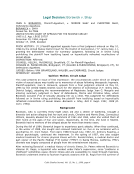
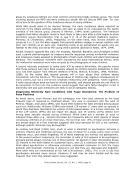
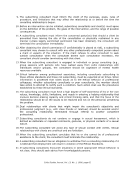
814 F.2d at 958. Despite flawed hypnosis procedures, the Fourth Circuit concluded
that the hypnotically-enhanced testimony of a witness to a murder was admissible
because “considerable circumstantial evidence corroborated [the] testimony,” id.
[*37] at 959, her testimony “exhibited the characteristics normally expected from
a witness recalling details of facts five years after their occurrence,” and there was
“no indication of a memory unshakably frozen by hypnosis,” id. at 961.
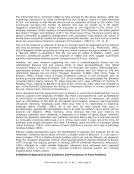
In conducting a case-by-case analysis, the district court should consider the following non-
exclusive list of factors. First, it should evaluate the purpose of the hypnosis: whether it was
to refresh a witness‟s memory of an accident or crime or whether it was conducted as part
of therapy. In the former instance, the subject may feel pressured to remember details, to
aid the criminal investigation, whereas when the subject has undergone therapy to explore
the sources of her psychological ailments, she may be less inclined to confabulate or
describe a complete coherent story. In the latter case, however, the court should be mindful
of the possibility that the subject may have received subtle suggestions from her therapist
that abuse or other traumas could be at the root of her problems. Thus, a second important
consideration is whether the witness received any suggestions from the hypnotist or others
prior to or during hypnosis such as a theory of [*38] the cause of the subject‟s ailments or
key information relevant to the investigation for which she underwent hypnosis. A third and
related factor is the presence or absence of a permanent record, which can help the court
ascertain whether suggestive procedures were used. Ideally, the session should be
videotaped or audiotaped. Fourth, a court should consider whether the hypnotist was
appropriately qualified by training in psychology or psychiatry. A fifth factor is whether
corroborating evidence exists to support the reliability of the hypnotically refreshed
memories. Sixth, evidence of the subject‟s hypnotizability may also be relevant. A highly
hypnotizable subject may be more prone to confabulate and more susceptible to suggestion.
Seventh, the court should consider any expert evidence offered by the parties as to the
reliability of the procedures used in the case. Finally, a pretrial evidentiary hearing is highly
desirable to enable the parties to present expert evidence and to test credibility through
cross-examination.
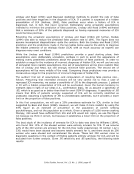
After consideration of all of the relevant circumstances, the trial court should weigh the
factors in favor of and against the reliability of the hypnosis procedure [*39] in the exercise
of its discretion whether to admit the post-hypnotic testimony. Finally, we add that the
party attempting to admit the hypnotically-enhanced testimony bears the burden of
persuading the district court that the balance tips in favor of admissibility. Hurd, 432 A..2d
at 97.
H. Application of Admissibility Approach to This Case
While we conclude that the test for admissibility adopted by the district court in this case
was insufficiently flexible, and while we believe that it would have been more appropriate
for the district judge to have conducted an evidentiary hearing prior to issuing his ruling, we
nonetheless affirm the district court‟s in limine ruling and subsequent summary judgment.
Since in our view the factors before the district court weighed decisively against the
admissibility of Borawick‟s testimony, we are convinced that if the district court had followed
our test, it would have necessarily reached the same conclusion. We see no point in
remanding the case so that the district court can reach the same finding.
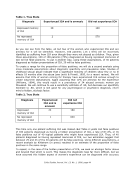
First, Borawick‟s assertions notwithstanding, it is beyond question that St. Regis lacked
adequate professional qualifications as a hypnotist. [*40] While a panoply of academic
qualifications is not necessary in all circumstances for one to qualify as an expert, there
should be a general presumption in favor of appropriate academic credentials. The district
court‟s finding that St. Regis was not properly qualified finds ample support in the record:
his formal education ended with a high school diploma he had no formal training in
814 F.2d at 958. Despite flawed hypnosis procedures, the Fourth Circuit concluded
that the hypnotically-enhanced testimony of a witness to a murder was admissible
because “considerable circumstantial evidence corroborated [the] testimony,” id.
[*37] at 959, her testimony “exhibited the characteristics normally expected from
a witness recalling details of facts five years after their occurrence,” and there was
“no indication of a memory unshakably frozen by hypnosis,” id. at 961.
In conducting a case-by-case analysis, the district court should consider the following non-
exclusive list of factors. First, it should evaluate the purpose of the hypnosis: whether it was
to refresh a witness‟s memory of an accident or crime or whether it was conducted as part
of therapy. In the former instance, the subject may feel pressured to remember details, to
aid the criminal investigation, whereas when the subject has undergone therapy to explore
the sources of her psychological ailments, she may be less inclined to confabulate or
describe a complete coherent story. In the latter case, however, the court should be mindful
of the possibility that the subject may have received subtle suggestions from her therapist
that abuse or other traumas could be at the root of her problems. Thus, a second important
consideration is whether the witness received any suggestions from the hypnotist or others
prior to or during hypnosis such as a theory of [*38] the cause of the subject‟s ailments or
key information relevant to the investigation for which she underwent hypnosis. A third and
related factor is the presence or absence of a permanent record, which can help the court
ascertain whether suggestive procedures were used. Ideally, the session should be
videotaped or audiotaped. Fourth, a court should consider whether the hypnotist was
appropriately qualified by training in psychology or psychiatry. A fifth factor is whether
corroborating evidence exists to support the reliability of the hypnotically refreshed
memories. Sixth, evidence of the subject‟s hypnotizability may also be relevant. A highly
hypnotizable subject may be more prone to confabulate and more susceptible to suggestion.
Seventh, the court should consider any expert evidence offered by the parties as to the
reliability of the procedures used in the case. Finally, a pretrial evidentiary hearing is highly
desirable to enable the parties to present expert evidence and to test credibility through
cross-examination.
After consideration of all of the relevant circumstances, the trial court should weigh the
factors in favor of and against the reliability of the hypnosis procedure [*39] in the exercise
of its discretion whether to admit the post-hypnotic testimony. Finally, we add that the
party attempting to admit the hypnotically-enhanced testimony bears the burden of
persuading the district court that the balance tips in favor of admissibility. Hurd, 432 A..2d
at 97.
H. Application of Admissibility Approach to This Case
While we conclude that the test for admissibility adopted by the district court in this case
was insufficiently flexible, and while we believe that it would have been more appropriate
for the district judge to have conducted an evidentiary hearing prior to issuing his ruling, we
nonetheless affirm the district court‟s in limine ruling and subsequent summary judgment.
Since in our view the factors before the district court weighed decisively against the
admissibility of Borawick‟s testimony, we are convinced that if the district court had followed
our test, it would have necessarily reached the same conclusion. We see no point in
remanding the case so that the district court can reach the same finding.
First, Borawick‟s assertions notwithstanding, it is beyond question that St. Regis lacked
adequate professional qualifications as a hypnotist. [*40] While a panoply of academic
qualifications is not necessary in all circumstances for one to qualify as an expert, there
should be a general presumption in favor of appropriate academic credentials. The district
court‟s finding that St. Regis was not properly qualified finds ample support in the record:
his formal education ended with a high school diploma he had no formal training in