Cultic Studies Journal, Vol. 13, No. 1, 1996, page 51
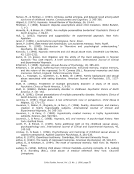
professional, independent of the police, interview the witness prior to hypnosis, then
hypnotize the witness and allow for a period of free recall. Finally, the witness may be asked
specific questions while hypnotized. Except under specific, unusual circumstances the
hypnotist and subject are to be alone in the room. The entire contact between hypnotist and
subject is video-taped. Any communication between the hypnotist and interested parties is
also recorded and, if necessary, written notes suggesting questions can be given to the
hypnotist during the last parts of the hypnotic interview. The entire record is then made
available to outside experts who can examine it for undue suggestiveness. The idea is to
prevent the subject from being unwittingly influenced by what occurs during the hypnotic
session.
Unfortunately, the Hurd safeguards do not prevent the subject from being influenced by
other postevent information and turning such information into “memory” during hypnosis.
Nor do they protect the process from the creation of confident errors nor from the effects of
self-serving motivation, simulation, or lying. Thus, the Hurd safeguards are now deemed
useful only when hypnosis is used in a purely investigative context (AMA, 1985, 1994 Orne,
Soskis, Dinges, &Carota Orne, 1984). In our view the hypnotized subject, like a medium
consulted by police at a loss for leads, can help generate hypotheses. However, the
hypnotized subject is thereafter excluded from testifying about anything discussed during
hypnosis. You put neither the medium nor the previously hypnotized witness on the stand.
6 The role of contagion effects must also be considered. Patients coming into therapy seem
increasingly readied by trade books and the media to seek and accept ICA and MPD as
rationales for their concerns. The fact that each provides a means to avoid responsibility for
those concerns may make them especially agreeable to some patients, especially those with
borderline personality disorder.
7 A moderately or highly susceptible hypnotic subject may also be age regressed to age 4 in
his last life or progressed to his next life. Convincing “memories” can then be obtained.
References
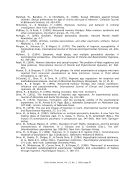
American Medical Association, Council on Scientific Affairs. (1985). Scientific status of
refreshing recollection by the use of hypnosis. Journal of the American Medical
Association, 253, 1918-1923.
American Medical Association, Council on Scientific Affairs. (1994). Memories of childhood
abuse. CSA Report 5-A-94. Reprinted in International Journal of Clinical and
Experimental Hypnosis, 1995, 43, 114-115.
American Psychiatric Association. (1994). Diagnostic and statistical manual of mental
disorders (4th ed.). 1st ed., 1952 2nd ed., 1968 3rd ed., 1980 rev., 1987.
Washington, DC: Author.
Bartlett, F. (1932). Remembering. Cambridge, England: Cambridge University Press.
Bass, E., &Davis, L. (1988). The courage to heal: A guide for woman survivors of child
sexual abuse. New York: Harper &Row.
Borawick v. Shay, Docket No. 94-7584 (U.S. App., 1995). LEXIS 29707.
Braun, B. (1992). Ritually abused dissociative disorder patients. Garden Grove, CA: Master
Duplicators.
Carota Orne, E., Whitehouse, W., Dinges, D., &Orne, M. (1996). Memory liabilities
associated with hypnosis: Does low hypnotizability confer immunity? International
Journal of Clinical and Experimental Hypnosis, 44, 354-369.
Christianson, S. (1992). Emotional stress and eyewitness testimony. Psychological Bulletin,
112, 284-309.
Coons, P., Bowman, E., &Milstein. V. (1988). Multiple personality disorder: A clinical
investigation of fifty cases. Journal of Nervous and Mental Disease, 176, 519-527.
professional, independent of the police, interview the witness prior to hypnosis, then
hypnotize the witness and allow for a period of free recall. Finally, the witness may be asked
specific questions while hypnotized. Except under specific, unusual circumstances the
hypnotist and subject are to be alone in the room. The entire contact between hypnotist and
subject is video-taped. Any communication between the hypnotist and interested parties is
also recorded and, if necessary, written notes suggesting questions can be given to the
hypnotist during the last parts of the hypnotic interview. The entire record is then made
available to outside experts who can examine it for undue suggestiveness. The idea is to
prevent the subject from being unwittingly influenced by what occurs during the hypnotic
session.
Unfortunately, the Hurd safeguards do not prevent the subject from being influenced by
other postevent information and turning such information into “memory” during hypnosis.
Nor do they protect the process from the creation of confident errors nor from the effects of
self-serving motivation, simulation, or lying. Thus, the Hurd safeguards are now deemed
useful only when hypnosis is used in a purely investigative context (AMA, 1985, 1994 Orne,
Soskis, Dinges, &Carota Orne, 1984). In our view the hypnotized subject, like a medium
consulted by police at a loss for leads, can help generate hypotheses. However, the
hypnotized subject is thereafter excluded from testifying about anything discussed during
hypnosis. You put neither the medium nor the previously hypnotized witness on the stand.
6 The role of contagion effects must also be considered. Patients coming into therapy seem
increasingly readied by trade books and the media to seek and accept ICA and MPD as
rationales for their concerns. The fact that each provides a means to avoid responsibility for
those concerns may make them especially agreeable to some patients, especially those with
borderline personality disorder.
7 A moderately or highly susceptible hypnotic subject may also be age regressed to age 4 in
his last life or progressed to his next life. Convincing “memories” can then be obtained.
References
American Medical Association, Council on Scientific Affairs. (1985). Scientific status of
refreshing recollection by the use of hypnosis. Journal of the American Medical
Association, 253, 1918-1923.
American Medical Association, Council on Scientific Affairs. (1994). Memories of childhood
abuse. CSA Report 5-A-94. Reprinted in International Journal of Clinical and
Experimental Hypnosis, 1995, 43, 114-115.
American Psychiatric Association. (1994). Diagnostic and statistical manual of mental
disorders (4th ed.). 1st ed., 1952 2nd ed., 1968 3rd ed., 1980 rev., 1987.
Washington, DC: Author.
Bartlett, F. (1932). Remembering. Cambridge, England: Cambridge University Press.
Bass, E., &Davis, L. (1988). The courage to heal: A guide for woman survivors of child
sexual abuse. New York: Harper &Row.
Borawick v. Shay, Docket No. 94-7584 (U.S. App., 1995). LEXIS 29707.
Braun, B. (1992). Ritually abused dissociative disorder patients. Garden Grove, CA: Master
Duplicators.
Carota Orne, E., Whitehouse, W., Dinges, D., &Orne, M. (1996). Memory liabilities
associated with hypnosis: Does low hypnotizability confer immunity? International
Journal of Clinical and Experimental Hypnosis, 44, 354-369.
Christianson, S. (1992). Emotional stress and eyewitness testimony. Psychological Bulletin,
112, 284-309.
Coons, P., Bowman, E., &Milstein. V. (1988). Multiple personality disorder: A clinical
investigation of fifty cases. Journal of Nervous and Mental Disease, 176, 519-527.