Cultic Studies Journal, Vol. 13, No. 1, 1996, page 26
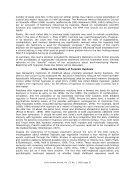
People v. Shirley, 31 Cal.3d 18, 723 P.2d 1354, 181 Cal.Rptr. 243, (1982), stay denied,
California v. Shirley, 458 U.S. 1125, 103 S. Ct. 13, 73 L.Ed.2d 1400, cert. denied,
California v. Shirley, 459 U.S. 860, 103 S. Ct. 133, 74 L.Ed.2d 114.
Perry, C., Orne, M.T., London, R.W., &Orne, E.C. (1996). Rethinking per se exclusions of
hypnotically elicited recall as legal testimony. International Journal of Clinical and
Experimental Hypnosis, 44, 66-80.
Petition for Writ of Certiorari, In the Supreme Court of the United States, October Term,
1995 (March 1996).
Rock v. Arkansas, 483 U.S. 44, 107 S. Ct. 2704, 97 L.Ed.2d 37 (1987).
Rowland v. Commonwealth, 901 S.W. 2d 871 (Ky. S. Ct. 1995).
Scheflin, A.W. (1993, August). “Avoiding malpractice liability.” American Society of Clinical
Hypnosis Newsletter, vol. XXXIV, no. 1, p. 6.
Scheflin, A.W. (1994). Forensic hypnosis: Unanswered questions. Australian Journal of
Clinical and Experimental Hypnosis, 22, 25-37.
Scheflin, A.W., &Brown, D. (In press). Repressed memory or dissociative amnesia: What
the science says. Journal of Psychiatry &Law.
Scheflin, A.W., &Shapiro, J.L. (1989). Trance on trial. New York: Guilford Press.
Shahzade v. Gregory, 923 F. Supp. 286 (D. Mass. 1996).
Spiegel, D., &Scheflin, A.W. (1994). Dissociated or fabricated? Psychiatric aspects of
repressed memory in criminal and civil cases. International Journal of Clinical and
Experimental Hypnosis, 42, 411-432.
State v. Mack, 292 N.W.2d 764 (Minn. 1980).
State v. Walters, Nos. 93-S-2111, 2112, Superior Court, Hillsborough, SS. Southern
District. New Hampshire (1995).
Tyson v. Tyson, 107 Wash.2d 72, 727 P.2d 226 (1986).
United States v. Fishman, 743 F.Supp. 713 (N.D.Ca. 1990).
United States v. Posado, 57 F. 3d 428 (5 Cir. 1995).
Williams, L.M. (1995, October). Recovered memories of abuse in women with documented
child sexual victimization histories. Journal of Traumatic Stress, 8, 649-673.
************************
Alan W. Scheflin, Esq., is a professor of law at Santa Clara University Law School, Santa
Clara, California. He is forensic editor of the American Journal of Clinical Hypnosis and
winner of the American Psychiatric Association‟s Manfred S. Guttmacher Award for his work
in hypnosis
This article is an electronic version of an article originally published in Cultic Studies Journal, 1996, Volume 13,
Number 1, pages 26-41. Please keep in mind that the pagination of this electronic reprint differs from that of the
bound volume. This fact could affect how you enter bibliographic information in papers that you may write.
People v. Shirley, 31 Cal.3d 18, 723 P.2d 1354, 181 Cal.Rptr. 243, (1982), stay denied,
California v. Shirley, 458 U.S. 1125, 103 S. Ct. 13, 73 L.Ed.2d 1400, cert. denied,
California v. Shirley, 459 U.S. 860, 103 S. Ct. 133, 74 L.Ed.2d 114.
Perry, C., Orne, M.T., London, R.W., &Orne, E.C. (1996). Rethinking per se exclusions of
hypnotically elicited recall as legal testimony. International Journal of Clinical and
Experimental Hypnosis, 44, 66-80.
Petition for Writ of Certiorari, In the Supreme Court of the United States, October Term,
1995 (March 1996).
Rock v. Arkansas, 483 U.S. 44, 107 S. Ct. 2704, 97 L.Ed.2d 37 (1987).
Rowland v. Commonwealth, 901 S.W. 2d 871 (Ky. S. Ct. 1995).
Scheflin, A.W. (1993, August). “Avoiding malpractice liability.” American Society of Clinical
Hypnosis Newsletter, vol. XXXIV, no. 1, p. 6.
Scheflin, A.W. (1994). Forensic hypnosis: Unanswered questions. Australian Journal of
Clinical and Experimental Hypnosis, 22, 25-37.
Scheflin, A.W., &Brown, D. (In press). Repressed memory or dissociative amnesia: What
the science says. Journal of Psychiatry &Law.
Scheflin, A.W., &Shapiro, J.L. (1989). Trance on trial. New York: Guilford Press.
Shahzade v. Gregory, 923 F. Supp. 286 (D. Mass. 1996).
Spiegel, D., &Scheflin, A.W. (1994). Dissociated or fabricated? Psychiatric aspects of
repressed memory in criminal and civil cases. International Journal of Clinical and
Experimental Hypnosis, 42, 411-432.
State v. Mack, 292 N.W.2d 764 (Minn. 1980).
State v. Walters, Nos. 93-S-2111, 2112, Superior Court, Hillsborough, SS. Southern
District. New Hampshire (1995).
Tyson v. Tyson, 107 Wash.2d 72, 727 P.2d 226 (1986).
United States v. Fishman, 743 F.Supp. 713 (N.D.Ca. 1990).
United States v. Posado, 57 F. 3d 428 (5 Cir. 1995).
Williams, L.M. (1995, October). Recovered memories of abuse in women with documented
child sexual victimization histories. Journal of Traumatic Stress, 8, 649-673.
************************
Alan W. Scheflin, Esq., is a professor of law at Santa Clara University Law School, Santa
Clara, California. He is forensic editor of the American Journal of Clinical Hypnosis and
winner of the American Psychiatric Association‟s Manfred S. Guttmacher Award for his work
in hypnosis
This article is an electronic version of an article originally published in Cultic Studies Journal, 1996, Volume 13,
Number 1, pages 26-41. Please keep in mind that the pagination of this electronic reprint differs from that of the
bound volume. This fact could affect how you enter bibliographic information in papers that you may write.