Cultic Studies Journal, Vol. 13, No. 1, 1996, page 64
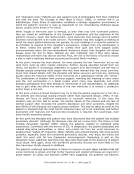
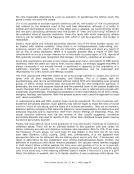
television, should be formulated to convey information that is necessary to make an
appropriate selection. Self-praising should be avoided.
4. In advertising services as a private consultant, the subscribing consultant must advertise
the services in a manner that accurately informs the public of professional services,
expense, and available techniques of consulting.
5. The subscribing consultant may list the following: highest relevant degree, type and
level of certification and/or license, address, telephone number, and type and/or
description of services. Such information must not contain false, inaccurate, misleading,
partial, out-of-context, or deceptive material or statements.
6. Subscribing consultants do not present their affiliation with any organization in such a
way that would imply inaccurate sponsorship or certification by that organization.
7. A subscribing consultant shall not knowingly make a representation about his or her
ability, background, or experience, or that of a partner or associate, or about the fee or
any other aspect of a proposed professional engagement, that is false, fraudulent,
misleading, or deceptive, and that might reasonably be expected to induce reliance by a
member of the public.
8. A false, fraudulent, misleading or deceptive statement or claim in this context includes a
statement or claim which:
a. Contains a material misrepresentation of fact
b. Omits any material fact that is necessary to make the statement, in light of all
circumstances, from being misleading
c. Is intended or is likely to create an unqualified expectation
d. Relates to professional fees other than
(1) A statement of the fee for an initial consultation a statement of the fee
charged for a specific service and any refund policy
(2) A statement of the range of fees for specifically described services, provided
there is a reasonable disclosure of relevant variables and considerations so that
the statement is not likely to be misunderstood
(3) A statement of specified hourly or daily rates, provided the statement makes clear
that the total charge will vary according to the number of hours or days devoted to the
matter
This article is an electronic version of an article originally published in Cultic Studies Journal, 1996, Volume 13,
Number 1, pages 95-106. Please keep in mind that the pagination of this electronic reprint differs from that of the
bound volume. This fact could affect how you enter bibliographic information in papers that you may write.
television, should be formulated to convey information that is necessary to make an
appropriate selection. Self-praising should be avoided.
4. In advertising services as a private consultant, the subscribing consultant must advertise
the services in a manner that accurately informs the public of professional services,
expense, and available techniques of consulting.
5. The subscribing consultant may list the following: highest relevant degree, type and
level of certification and/or license, address, telephone number, and type and/or
description of services. Such information must not contain false, inaccurate, misleading,
partial, out-of-context, or deceptive material or statements.
6. Subscribing consultants do not present their affiliation with any organization in such a
way that would imply inaccurate sponsorship or certification by that organization.
7. A subscribing consultant shall not knowingly make a representation about his or her
ability, background, or experience, or that of a partner or associate, or about the fee or
any other aspect of a proposed professional engagement, that is false, fraudulent,
misleading, or deceptive, and that might reasonably be expected to induce reliance by a
member of the public.
8. A false, fraudulent, misleading or deceptive statement or claim in this context includes a
statement or claim which:
a. Contains a material misrepresentation of fact
b. Omits any material fact that is necessary to make the statement, in light of all
circumstances, from being misleading
c. Is intended or is likely to create an unqualified expectation
d. Relates to professional fees other than
(1) A statement of the fee for an initial consultation a statement of the fee
charged for a specific service and any refund policy
(2) A statement of the range of fees for specifically described services, provided
there is a reasonable disclosure of relevant variables and considerations so that
the statement is not likely to be misunderstood
(3) A statement of specified hourly or daily rates, provided the statement makes clear
that the total charge will vary according to the number of hours or days devoted to the
matter
This article is an electronic version of an article originally published in Cultic Studies Journal, 1996, Volume 13,
Number 1, pages 95-106. Please keep in mind that the pagination of this electronic reprint differs from that of the
bound volume. This fact could affect how you enter bibliographic information in papers that you may write.