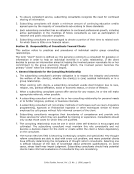
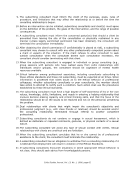
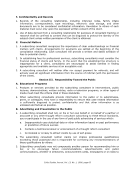
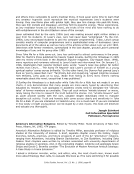
Cultic Studies Journal, Vol. 13, No. 1, 1996, page 63
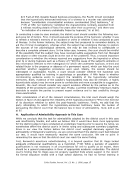
B. Confidentiality and Records
1. Records of the consulting relationship, including interview notes, family intake
information, correspondence, tape recordings, electronic data storage, and other
documents are to be considered confidential information. Revelation to others of such
material must occur only upon the expressed written consent of the client.
2. Use of data derived from a consulting relationship for purposes of consultant training or
research shall be confined to content that can be disguised to protect the identity of the
subject client unless written permission of the client is obtained.
C. Financial Matters
1. A subscribing consultant recognizes the importance of clear understandings on financial
matters with clients. Arrangements for payments are settled at the beginning of the
consultation relationship. Each consultant will provide a written and dated schedule of
fees to potential clients.
2. In establishing fees for professional services, subscribing consultants must consider the
financial status of clients and family. In the event that the established fee structure is
inappropriate for a client, consultants are encouraged to assist families in finding
appropriate and available services at an acceptable cost.
3. A subscribing consultant will neither offer nor accept payment for referrals, and will
actively seek all significant information from the source of referral (with the permission
of the client).
Section III. Responsibility Toward the Public
A. Educational Programs
1. Products or services provided by the subscribing consultant in interventions, public
lectures, demonstrations, written articles, radio or television programs, or other types of
media must meet the criteria cited in these standards.
2. When subscribing consultants provide information to the public or to subordinates,
peers, or colleagues, they have a responsibility to ensure that case-related information
is sufficiently disguised to protect confidentiality and that other information is as
unbiased and factual as possible.
B. Advertising and Presentation to the Public
1. A subscribing consultant shall not, on his or her own behalf or on behalf of a partner or
associate or any other thought reform consultant subscribing to these ethical standards,
use or participate in the use of any form of paid public advertising of services which:
a. Inappropriately uses statistical data or other information based on past performance
or prediction of future success
b. Contains a testimonial about or endorsement of a thought reform consultant
c. Is intended or is likely to attract clients by use of self-praise
2. The subscribing consultant neither claims nor implies professional qualifications
exceeding those possessed and is responsible for correcting any misrepresentations of
these qualifications by others.
3. Subscribing consultants may not compensate another person for recommending him or
her, or to encourage future recommendations. Advertisements and public
communications, whether in directories, announcement cards, newspapers or on radio to
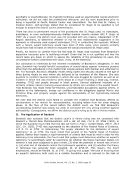
B. Confidentiality and Records
1. Records of the consulting relationship, including interview notes, family intake
information, correspondence, tape recordings, electronic data storage, and other
documents are to be considered confidential information. Revelation to others of such
material must occur only upon the expressed written consent of the client.
2. Use of data derived from a consulting relationship for purposes of consultant training or
research shall be confined to content that can be disguised to protect the identity of the
subject client unless written permission of the client is obtained.
C. Financial Matters
1. A subscribing consultant recognizes the importance of clear understandings on financial
matters with clients. Arrangements for payments are settled at the beginning of the
consultation relationship. Each consultant will provide a written and dated schedule of
fees to potential clients.
2. In establishing fees for professional services, subscribing consultants must consider the
financial status of clients and family. In the event that the established fee structure is
inappropriate for a client, consultants are encouraged to assist families in finding
appropriate and available services at an acceptable cost.
3. A subscribing consultant will neither offer nor accept payment for referrals, and will
actively seek all significant information from the source of referral (with the permission
of the client).
Section III. Responsibility Toward the Public
A. Educational Programs
1. Products or services provided by the subscribing consultant in interventions, public
lectures, demonstrations, written articles, radio or television programs, or other types of
media must meet the criteria cited in these standards.
2. When subscribing consultants provide information to the public or to subordinates,
peers, or colleagues, they have a responsibility to ensure that case-related information
is sufficiently disguised to protect confidentiality and that other information is as
unbiased and factual as possible.
B. Advertising and Presentation to the Public
1. A subscribing consultant shall not, on his or her own behalf or on behalf of a partner or
associate or any other thought reform consultant subscribing to these ethical standards,
use or participate in the use of any form of paid public advertising of services which:
a. Inappropriately uses statistical data or other information based on past performance
or prediction of future success
b. Contains a testimonial about or endorsement of a thought reform consultant
c. Is intended or is likely to attract clients by use of self-praise
2. The subscribing consultant neither claims nor implies professional qualifications
exceeding those possessed and is responsible for correcting any misrepresentations of
these qualifications by others.
3. Subscribing consultants may not compensate another person for recommending him or
her, or to encourage future recommendations. Advertisements and public
communications, whether in directories, announcement cards, newspapers or on radio to