Cultic Studies Journal, Vol. 13, No. 1, 1996, page 11
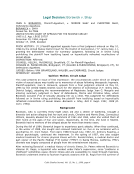
n3 Many courts have taken this position on the basis that the testimony does not
meet the requirements of Frye v. United States, 293 F. 1013 (D.C. Cir. 1923),
since there is no general acceptance in the scientific community that hypnosis can
reliably enhance memory. See Tuttle, 780 P.2d at 1209-10 Hughes, 59 N.Y:2d at
543, 466 N.Y.S.2d at 265 Federal Practice, supra, § 6011, at 132-33. This
rationale is now called into question with the Supreme Court‟s decision in Daubert
v. Merrell Dow Pharmaceuticals, 125 L. Ed. 2d 469, 113 S. Ct. 2786, 2793 (1993),
holding that the Federal Rules of Evidence supersede Frye. See Federal Practice,
supra, § 6011, at 8 (Supp. 1995).
[*24]
In Rock v. Arkansas, 483 U.S. 44, 97 L. Ed. 2d 37, 107 S. Ct. 2704 (1987), the Supreme
Court reviewed Arkansas‟s rule that a criminal defendant‟s hypnotically refreshed testimony
was per se inadmissible. While the Court recognized the problems with hypnosis, it
concluded that certain procedural safeguards could reduce the potential inaccuracies of
post-hypnotic testimony. Id. at 59-60. Focusing on the due process right of criminal
defendants to testify in their own defense, id. at 51, the Sixth Amendment right to call
witnesses in the defendant‟s favor, id. at 52, and the Fifth Amendment guarantee against
compelled testimony, id. at 52-53, the Court concluded that the rule of per se
inadmissibility was an “arbitrary restriction on the [criminal defendant‟s] right to testify in
the absence of clear evidence by the State repudiating the validity of all post-hypnosis
recollections,” id. at 61. Consequently, the Court deemed Arkansas‟s prohibition
unconstitutional. The Court, however, explicitly limited the reach of its holding by refusing
to express an opinion as to the appropriate rule of admissibility “of testimony of previously
hypnotized witnesses other than criminal defendants.” Id. [*25] at 58 n. 15.
The third and fourth approaches occupy a middle ground. These attempt to balance the
competing concerns that animate the per se positions. The third approach, articulated by
the New Jersey Supreme Court in the oft-cited State v. Hurd, 86 N. J. 525, 432 A.2d 86
(N.J. 1981), requires adherence to a list of prescribed safeguards intended to ensure the
reliability of hypnotically refreshed testimony. The court concluded that Aa rule of per se
inadmissibility is unnecessarily broad and will result in the exclusion of evidence that is as
trustworthy as other eyewitness testimony.” 432 A .2d at 94.
In light of recommendations offered by a frequent expert witness, Dr. Martin Orne, the
court adopted the following procedural requirements:
First, a psychiatrist or psychologist experienced in the use of hypnosis must conduct the
session. This professional should also be able to qualify as an expert in order to aid the
court in evaluating the procedures followed.
Second, the professional conducting the hypnotic session should be independent of and not
regularly employed by the prosecutor, investigator or defense.
Third, any information given to the hypnotist [*26] by law enforcement personnel or the
defense prior to the hypnotic session must be recorded, either in writing or another suitable
form.
Fourth, before inducing hypnosis the hypnotist should obtain from the subject a detailed
description of the facts as the subject remembers them [without] ...asking structured
questions or adding new details.
Fifth, all contacts between the hypnotist and the subject must be recorded.
Sixth, only the hypnotist and the subject should be present during any phase of the
hypnotic session, including the pre-hypnotic testing and the post-hypnotic interview.
n3 Many courts have taken this position on the basis that the testimony does not
meet the requirements of Frye v. United States, 293 F. 1013 (D.C. Cir. 1923),
since there is no general acceptance in the scientific community that hypnosis can
reliably enhance memory. See Tuttle, 780 P.2d at 1209-10 Hughes, 59 N.Y:2d at
543, 466 N.Y.S.2d at 265 Federal Practice, supra, § 6011, at 132-33. This
rationale is now called into question with the Supreme Court‟s decision in Daubert
v. Merrell Dow Pharmaceuticals, 125 L. Ed. 2d 469, 113 S. Ct. 2786, 2793 (1993),
holding that the Federal Rules of Evidence supersede Frye. See Federal Practice,
supra, § 6011, at 8 (Supp. 1995).
[*24]
In Rock v. Arkansas, 483 U.S. 44, 97 L. Ed. 2d 37, 107 S. Ct. 2704 (1987), the Supreme
Court reviewed Arkansas‟s rule that a criminal defendant‟s hypnotically refreshed testimony
was per se inadmissible. While the Court recognized the problems with hypnosis, it
concluded that certain procedural safeguards could reduce the potential inaccuracies of
post-hypnotic testimony. Id. at 59-60. Focusing on the due process right of criminal
defendants to testify in their own defense, id. at 51, the Sixth Amendment right to call
witnesses in the defendant‟s favor, id. at 52, and the Fifth Amendment guarantee against
compelled testimony, id. at 52-53, the Court concluded that the rule of per se
inadmissibility was an “arbitrary restriction on the [criminal defendant‟s] right to testify in
the absence of clear evidence by the State repudiating the validity of all post-hypnosis
recollections,” id. at 61. Consequently, the Court deemed Arkansas‟s prohibition
unconstitutional. The Court, however, explicitly limited the reach of its holding by refusing
to express an opinion as to the appropriate rule of admissibility “of testimony of previously
hypnotized witnesses other than criminal defendants.” Id. [*25] at 58 n. 15.
The third and fourth approaches occupy a middle ground. These attempt to balance the
competing concerns that animate the per se positions. The third approach, articulated by
the New Jersey Supreme Court in the oft-cited State v. Hurd, 86 N. J. 525, 432 A.2d 86
(N.J. 1981), requires adherence to a list of prescribed safeguards intended to ensure the
reliability of hypnotically refreshed testimony. The court concluded that Aa rule of per se
inadmissibility is unnecessarily broad and will result in the exclusion of evidence that is as
trustworthy as other eyewitness testimony.” 432 A .2d at 94.
In light of recommendations offered by a frequent expert witness, Dr. Martin Orne, the
court adopted the following procedural requirements:
First, a psychiatrist or psychologist experienced in the use of hypnosis must conduct the
session. This professional should also be able to qualify as an expert in order to aid the
court in evaluating the procedures followed.
Second, the professional conducting the hypnotic session should be independent of and not
regularly employed by the prosecutor, investigator or defense.
Third, any information given to the hypnotist [*26] by law enforcement personnel or the
defense prior to the hypnotic session must be recorded, either in writing or another suitable
form.
Fourth, before inducing hypnosis the hypnotist should obtain from the subject a detailed
description of the facts as the subject remembers them [without] ...asking structured
questions or adding new details.
Fifth, all contacts between the hypnotist and the subject must be recorded.
Sixth, only the hypnotist and the subject should be present during any phase of the
hypnotic session, including the pre-hypnotic testing and the post-hypnotic interview.