Cultic Studies Journal, Vol. 13, No. 1, 1996, page 14
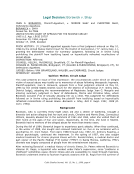
G. Totality-of-the-Circumstances Approach
Based on our review of the literature and the case law, we conclude that the district court
was correct to reject a per se rule of admissibility or inadmissibility. A per se rule of
exclusion or inclusion is too blunt a tool with which to address the concerns regarding the
reliability of post-hypnotic testimony or the concerns that people who have been sexually
abused may lose an opportunity to bring suit against their abusers.
To be sure, the exclusion of such testimony in every case avoids the problems of
unreliability, but it ignores Federal Rule of Evidence 601, which “abolished almost all
grounds [*34] for witness disqualification based on new assumptions that took a more
optimistic view of witness reliability and jury perceptiveness.” Federal Practice, supra, §
6011, at 124, 129. In addition. we believe that it risks the elimination of reliable testimony.
See State v. Iwakiri, 106 Idaho 618, 682 P.2d 571, 577 (Idaho 1984).
On the other hand, to admit all such testimony without pause, even if the jury is informed
of the risks of the potential problems of hypnotically-enhanced testimony, creates the
danger of having a lay jury speculate as to the effects of the hypnosis in the case before it.
As a result, such an approach seems to us inadequate to protect defendants from
unfounded charges in either criminal or civil suits. See Federal Practice, supra, § 6011, at
127-28. While we appreciate the care and sensitivity with which the district court chose its
methodology, we nevertheless find its approach too rigid and restrictive and prefer a
“totality-of-the-circumstances” approach. First, we believe that to treat the presence or
absence of safeguards as the sole criteria of admissibility may not always mitigate the
problems associated with hypnotically refreshed memory, and it may [*35] “give hypnosis
an aura of reliability which misleads the jury into disregarding the remaining dangers.”
Federal Practice, supra, § 6011, at 169-70. Second, like the Fourth Circuit, we are reluctant
to treat the presence of safeguards as a litmus test for determining the reliability of pre-trial
hypnosis, since even though the safeguards are relevant to the inquiry, “a court cannot
necessarily rest solely on the reliability vel non of the hypnosis procedures in ruling on the
admissibility of the proffered testimony.” McQueen, 814 F.2d at 958. Conversely, the
absence of safeguards does not compel the conclusion in every case that post-hypnotic
testimony is unreliable: “Even if the hypnosis procedures are flawed, a trial or appellate
court might discern that a witness‟s testimony was nonetheless independent of the dangers
associated with hypnosis.” Id. see also Iwakiri, 682 P.2d at 578 (“Merely because one of
the safeguards was not followed should not result in the automatic exclusion of the entire
testimony.”).
Thus, we believe that the rule of admissibility should be more flexible than the one
suggested by the district court and we therefore find preferable the [*36] approaches taken
by the Eighth Circuit in Sprynczynatyk, 771 F.2d at 1112, and the Fourth Circuit in
McQueen, 814 P.2d at 951. In Sprynczynatyk, the Eighth Circuit required pretrial hearings
to assess the procedures used in hypnosis to determine “in view of all the circumstances,”
whether the testimony was sufficiently reliable and whether its probative value outweighed
any prejudicial effect. 771 F.2d at 1122.
In McQueen, the Fourth Circuit required the trial court to
conduct a balanced inquiry to determine if the testimony had a basis that was
independent of the dangers associated with hypnosis --in other words, a balanced
inquiry to determine whether a witness‟s memory and ability to testify from it was
distorted by the earlier hypnosis. The balanced inquiry...cannot be circumscribed
by narrow considerations, and...must be determined by a detailed factual analysis
on a case-by-case basis.
G. Totality-of-the-Circumstances Approach
Based on our review of the literature and the case law, we conclude that the district court
was correct to reject a per se rule of admissibility or inadmissibility. A per se rule of
exclusion or inclusion is too blunt a tool with which to address the concerns regarding the
reliability of post-hypnotic testimony or the concerns that people who have been sexually
abused may lose an opportunity to bring suit against their abusers.
To be sure, the exclusion of such testimony in every case avoids the problems of
unreliability, but it ignores Federal Rule of Evidence 601, which “abolished almost all
grounds [*34] for witness disqualification based on new assumptions that took a more
optimistic view of witness reliability and jury perceptiveness.” Federal Practice, supra, §
6011, at 124, 129. In addition. we believe that it risks the elimination of reliable testimony.
See State v. Iwakiri, 106 Idaho 618, 682 P.2d 571, 577 (Idaho 1984).
On the other hand, to admit all such testimony without pause, even if the jury is informed
of the risks of the potential problems of hypnotically-enhanced testimony, creates the
danger of having a lay jury speculate as to the effects of the hypnosis in the case before it.
As a result, such an approach seems to us inadequate to protect defendants from
unfounded charges in either criminal or civil suits. See Federal Practice, supra, § 6011, at
127-28. While we appreciate the care and sensitivity with which the district court chose its
methodology, we nevertheless find its approach too rigid and restrictive and prefer a
“totality-of-the-circumstances” approach. First, we believe that to treat the presence or
absence of safeguards as the sole criteria of admissibility may not always mitigate the
problems associated with hypnotically refreshed memory, and it may [*35] “give hypnosis
an aura of reliability which misleads the jury into disregarding the remaining dangers.”
Federal Practice, supra, § 6011, at 169-70. Second, like the Fourth Circuit, we are reluctant
to treat the presence of safeguards as a litmus test for determining the reliability of pre-trial
hypnosis, since even though the safeguards are relevant to the inquiry, “a court cannot
necessarily rest solely on the reliability vel non of the hypnosis procedures in ruling on the
admissibility of the proffered testimony.” McQueen, 814 F.2d at 958. Conversely, the
absence of safeguards does not compel the conclusion in every case that post-hypnotic
testimony is unreliable: “Even if the hypnosis procedures are flawed, a trial or appellate
court might discern that a witness‟s testimony was nonetheless independent of the dangers
associated with hypnosis.” Id. see also Iwakiri, 682 P.2d at 578 (“Merely because one of
the safeguards was not followed should not result in the automatic exclusion of the entire
testimony.”).
Thus, we believe that the rule of admissibility should be more flexible than the one
suggested by the district court and we therefore find preferable the [*36] approaches taken
by the Eighth Circuit in Sprynczynatyk, 771 F.2d at 1112, and the Fourth Circuit in
McQueen, 814 P.2d at 951. In Sprynczynatyk, the Eighth Circuit required pretrial hearings
to assess the procedures used in hypnosis to determine “in view of all the circumstances,”
whether the testimony was sufficiently reliable and whether its probative value outweighed
any prejudicial effect. 771 F.2d at 1122.
In McQueen, the Fourth Circuit required the trial court to
conduct a balanced inquiry to determine if the testimony had a basis that was
independent of the dangers associated with hypnosis --in other words, a balanced
inquiry to determine whether a witness‟s memory and ability to testify from it was
distorted by the earlier hypnosis. The balanced inquiry...cannot be circumscribed
by narrow considerations, and...must be determined by a detailed factual analysis
on a case-by-case basis.