Cultic Studies Journal, Vol. 13, No. 1, 1996, page 58
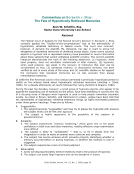
Ethical Standards
for Thought Reform Consultants
Carol Giambalvo
Joseph Kelly
Patrick Ryan
Madeleine Landau Tobias
Abstract
A group of thought reform consultants, popularly known as exit counselors, propose
detailed ethical standards to guide this new profession. In addition to a preamble,
these standards include sections on the responsibility of consultants toward
professionalism, toward clients, and toward the public. The second section outlines
standards pertaining to the consulting relationship, confidentiality and records, and
financial matters. The third section is divided into subsections on educational
programs and advertising and presentation to the public.
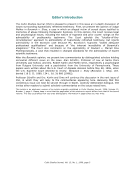
Editor’s Preface
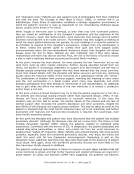
In the mid-1970s increasing numbers of parents began to consult mental health
professionals and clergy about their adult children‟s involvements in new religious groups
that many called cults. Parents reported that formerly well-adjusted and engaged young
adults (many were college students) changed radically, sometimes over a short period of
time. These young adults typically dropped out of school, shunned their families and friends,
and devoted themselves full time to working for these strange new groups to which they
had pledged their total allegiance. Many parents concluded that their children had
undergone a type of brainwashing.
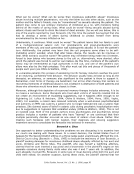
Unfortunately for these parents, few helping professionals took their concerns seriously.
Most assumed that these parents were overprotective or that their children were merely
“going through a phase.” But a handful of professionals, including Dr. John Clark on the East
Coast and Dr. Margaret Thaler Singer on the West Coast, listened to the parents and began
to speak out publicly. Soon, small and loosely organized groups of parents began to form in
different parts of the country.
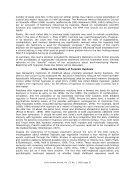
Several of these groups joined together to form the Citizens Freedom Foundation (CFF),
later renamed the Cult Awareness Network (CAN). CAN became the leading grassroots
organization for this movement. One informal group in Massachusetts gave birth, so to
speak, to the American Family Foundation (AFF), which has become the leading professional
organization concerned with cults and psychological manipulation. Both AFF and CFF/CAN
were chartered in 1979.
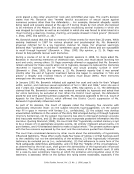
While these groups were developing, parents were doing what they could to rescue their
children and sometimes other family members from what were perceived as dangerous
situations. Through trial and error, the controversial process of deprogramming developed.
In the 1970s, for many parents, deprogramming became the preferred means of rescuing a
cult member. Although initially the term deprogramming encompassed interventions that
were voluntary (the cult member was free to leave at any time) and involuntary (restraint
was used for at least part of the time), in time the term came to refer primarily to
involuntary interventions. Much confusion occurs today when people mistakenly use
deprogramming in its original sense because they unintentionally give the impression that
they are talking about involuntary interventions when in fact they may be referring to
voluntary interventions.
Ethical Standards
for Thought Reform Consultants
Carol Giambalvo
Joseph Kelly
Patrick Ryan
Madeleine Landau Tobias
Abstract
A group of thought reform consultants, popularly known as exit counselors, propose
detailed ethical standards to guide this new profession. In addition to a preamble,
these standards include sections on the responsibility of consultants toward
professionalism, toward clients, and toward the public. The second section outlines
standards pertaining to the consulting relationship, confidentiality and records, and
financial matters. The third section is divided into subsections on educational
programs and advertising and presentation to the public.
Editor’s Preface
In the mid-1970s increasing numbers of parents began to consult mental health
professionals and clergy about their adult children‟s involvements in new religious groups
that many called cults. Parents reported that formerly well-adjusted and engaged young
adults (many were college students) changed radically, sometimes over a short period of
time. These young adults typically dropped out of school, shunned their families and friends,
and devoted themselves full time to working for these strange new groups to which they
had pledged their total allegiance. Many parents concluded that their children had
undergone a type of brainwashing.
Unfortunately for these parents, few helping professionals took their concerns seriously.
Most assumed that these parents were overprotective or that their children were merely
“going through a phase.” But a handful of professionals, including Dr. John Clark on the East
Coast and Dr. Margaret Thaler Singer on the West Coast, listened to the parents and began
to speak out publicly. Soon, small and loosely organized groups of parents began to form in
different parts of the country.
Several of these groups joined together to form the Citizens Freedom Foundation (CFF),
later renamed the Cult Awareness Network (CAN). CAN became the leading grassroots
organization for this movement. One informal group in Massachusetts gave birth, so to
speak, to the American Family Foundation (AFF), which has become the leading professional
organization concerned with cults and psychological manipulation. Both AFF and CFF/CAN
were chartered in 1979.
While these groups were developing, parents were doing what they could to rescue their
children and sometimes other family members from what were perceived as dangerous
situations. Through trial and error, the controversial process of deprogramming developed.
In the 1970s, for many parents, deprogramming became the preferred means of rescuing a
cult member. Although initially the term deprogramming encompassed interventions that
were voluntary (the cult member was free to leave at any time) and involuntary (restraint
was used for at least part of the time), in time the term came to refer primarily to
involuntary interventions. Much confusion occurs today when people mistakenly use
deprogramming in its original sense because they unintentionally give the impression that
they are talking about involuntary interventions when in fact they may be referring to
voluntary interventions.