Cultic Studies Journal, Vol. 13, No. 1, 1996, page 62
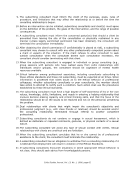
9. The subscribing consultant must inform the client of the purposes, goals, rules of
procedure, and limitations that may affect the relationship at or before the time the
consulting relationship is begun.
10. Before an intervention can be initiated, subscribing consultants and client(s) must agree
on the definition of the problem, the goals of the intervention, and the range of possible
consequences.
11. A subscribing consultant must inform the concerned party(ies) that should a client be
prevented from leaving the site of the consultation or physically restrained in any
manner (unless legally sanctioned permission has been obtained), the consultant will
terminate the consultation immediately.
12. After obtaining the client‟s permission (if confidentiality is placed at risk), a subscribing
consultant may choose to consult with any other professionally competent person about
a client or aspects of the situation. If the client refuses to allow consultant to seek
outside consultation when the consultant deems such consultation necessary, the
consultant should consider terminating with that client.
13. When the subscribing consultant is engaged in individual or group consulting (e.g.,
group sessions with persons who have walked away from cultic relationships with
individuals and/or groups), the consultant should be cognizant of mental health
resources available.
14. Ethical behavior among professional associates, including consultants subscribing to
these ethical standards and those not subscribing, must be expected at all times. When
information is possessed that raises doubt as to the ethical behavior of professional
colleagues, whether subscribing consultants or peer consultants, the member should
take action to attempt to rectify such a condition. Such action shall use the procedures
established by these ethical standards.
15. The subscribing consultant must have a high degree of self-awareness of his or her own
values, knowledge, skills, limitations, and needs in entering a helping relationship that
involves decision-making capacity and critical thinking skills, and that the focus of the
relationship should be on the issues to be resolved and not on the person(s) presenting
the problem.
16. Dual relationships with clients that might impair the consultant‟s objectivity and
professional judgment (e.g., with close friends or relatives) should be avoided and/or
the consulting relationship terminated through referral to another competent
professional.
17. Subscribing consultants do not condone or engage in sexual harassment, which is
defined as deliberate or repeated comments, gestures, or physical contacts of a sexual
nature.
18. The subscribing consultant will avoid any type of sexual contact with clients. Sexual
relationships with clients are unethical and are forbidden.
19. When the subscribing consultant concludes that he or she cannot be of professional
assistance to the client, the consultant must terminate the relationship.
20. A subscribing consultant has an obligation to withdraw from a consulting relationship if it
is believed that employment will result in violation of the Ethical Standards.
21. If subscribing consultants encounter situations in which appropriate ethical behavior is
not clear, they should seek advice from knowledgeable persons.
9. The subscribing consultant must inform the client of the purposes, goals, rules of
procedure, and limitations that may affect the relationship at or before the time the
consulting relationship is begun.
10. Before an intervention can be initiated, subscribing consultants and client(s) must agree
on the definition of the problem, the goals of the intervention, and the range of possible
consequences.
11. A subscribing consultant must inform the concerned party(ies) that should a client be
prevented from leaving the site of the consultation or physically restrained in any
manner (unless legally sanctioned permission has been obtained), the consultant will
terminate the consultation immediately.
12. After obtaining the client‟s permission (if confidentiality is placed at risk), a subscribing
consultant may choose to consult with any other professionally competent person about
a client or aspects of the situation. If the client refuses to allow consultant to seek
outside consultation when the consultant deems such consultation necessary, the
consultant should consider terminating with that client.
13. When the subscribing consultant is engaged in individual or group consulting (e.g.,
group sessions with persons who have walked away from cultic relationships with
individuals and/or groups), the consultant should be cognizant of mental health
resources available.
14. Ethical behavior among professional associates, including consultants subscribing to
these ethical standards and those not subscribing, must be expected at all times. When
information is possessed that raises doubt as to the ethical behavior of professional
colleagues, whether subscribing consultants or peer consultants, the member should
take action to attempt to rectify such a condition. Such action shall use the procedures
established by these ethical standards.
15. The subscribing consultant must have a high degree of self-awareness of his or her own
values, knowledge, skills, limitations, and needs in entering a helping relationship that
involves decision-making capacity and critical thinking skills, and that the focus of the
relationship should be on the issues to be resolved and not on the person(s) presenting
the problem.
16. Dual relationships with clients that might impair the consultant‟s objectivity and
professional judgment (e.g., with close friends or relatives) should be avoided and/or
the consulting relationship terminated through referral to another competent
professional.
17. Subscribing consultants do not condone or engage in sexual harassment, which is
defined as deliberate or repeated comments, gestures, or physical contacts of a sexual
nature.
18. The subscribing consultant will avoid any type of sexual contact with clients. Sexual
relationships with clients are unethical and are forbidden.
19. When the subscribing consultant concludes that he or she cannot be of professional
assistance to the client, the consultant must terminate the relationship.
20. A subscribing consultant has an obligation to withdraw from a consulting relationship if it
is believed that employment will result in violation of the Ethical Standards.
21. If subscribing consultants encounter situations in which appropriate ethical behavior is
not clear, they should seek advice from knowledgeable persons.