Cultic Studies Journal, Vol. 13, No. 1, 1996, page 20
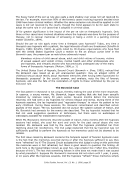
The heavy hand of the per se rule also casts a dark shadow over areas not yet resolved by
the law. For example, more than 95% of the forensic cases involving hypnosis decided since
1968 have been criminal matters. Whether the same exclusion rule should be applied in civil
cases is not yet resolved by the courts, though the trend appears to be for each state to
adopt the same rule in civil cases that it adopted in criminal cases.
Of far greater significance is the impact of the per se rule on therapeutic hypnosis. Only
three or four cases have involved situations where the hypnosis was done for the purpose of
therapy, not to recover memories of witnessing or being a victim in a pending criminal
matter (Scheflin, 1994).
Should the per se rule apply every time a therapist uses hypnosis? Today, any time a
therapist uses hypnosis with a patient, the legal interests of both are threatened (Scheflin &
Shapiro, 1989 Scheflin, 1993). As aptly noted by 18 diverse organizations who have filed
with the United States Supreme Court a motion to file an amicus curiae brief in the
Borawick case, the present per se restrictions adversely impact
blameless victims of child sexual abuse, adult and child victims of trauma, victims
of sexual assault and violent crimes, mental health and other professionals who
use hypnosis, and virtually anyone who has previously undergone any of the many
forms of therapeutic hypnosis. (Motion, 1996, p. 1)
The United States Court of Appeals, Second Circuit (Borawick v. Shay, 1995), noticed that
the Borawick case raised an as yet unanswered question: may an alleged victim of
childhood sexual abuse testify about repressed memories after having been hypnotized for
therapeutic purposes? In the court‟s answer, and analysis, rests the fate of forensic
hypnosis, and also the fate of the restoration of rights to those victimized by the per se
exclusion rule.
The Borawick Case
The fact pattern in Borawick is not unique, thereby making the case all the more important.
In essence, a young woman, Ms. Borawick, began recalling that she had been sexually
molested by relatives nearly 30 years earlier. Several months before the memories
returned, she had seen a lay hypnotist for chronic fatigue and stress. During three of the
hypnosis sessions, the lay hypnotist used “regression therapy” to return his patient to her
early childhood. During these sessions, Ms. Borawick remembered and described certain
aspects of the abuse. The lay hypnotist did not pursue the subject outside of trance, and
Ms. Borawick had amnesia for the events she described. The lay hypnotist insisted that he
had not used suggestive questions or techniques, but there were no audiotapes or
videotapes available for independent examination.
When Ms. Borawick‟s memories returned outside of trance, many months after the hypnosis
sessions had ended, she sued her aunt and uncle for the past sexual abuse she now
recalled. Ms. Borawick was told by the courts that the hypnosis prohibited her from
testifying about her recollections. The trial judge explained that the lay hypnotist was not
sufficiently qualified to perform the hypnosis so her memories could not be deemed to be
reliable.
The first issue raised by Borawick concerns the temporal aspect of forensic hypnosis rules:
is the fact that the memories occurred during or after the hypnosis sufficient to say they
were “refreshed” by it? The Second Circuit accepted the trial judge‟s ruling on this point that
the memories were in fact refreshed, but there is good reason to question this finding. At
work here is the logical fallacy known as post hoc, ergo propter hoc (“after this, therefore
because of this”). The fact that something follows in time does not mean that it was caused
by what preceded it. Suppose Ms. Borawick‟s memories did not return until 1 year, 5 years,
or 10 years after the hypnosis sessions. Did the hypnosis “refresh” those memories simply
The heavy hand of the per se rule also casts a dark shadow over areas not yet resolved by
the law. For example, more than 95% of the forensic cases involving hypnosis decided since
1968 have been criminal matters. Whether the same exclusion rule should be applied in civil
cases is not yet resolved by the courts, though the trend appears to be for each state to
adopt the same rule in civil cases that it adopted in criminal cases.
Of far greater significance is the impact of the per se rule on therapeutic hypnosis. Only
three or four cases have involved situations where the hypnosis was done for the purpose of
therapy, not to recover memories of witnessing or being a victim in a pending criminal
matter (Scheflin, 1994).
Should the per se rule apply every time a therapist uses hypnosis? Today, any time a
therapist uses hypnosis with a patient, the legal interests of both are threatened (Scheflin &
Shapiro, 1989 Scheflin, 1993). As aptly noted by 18 diverse organizations who have filed
with the United States Supreme Court a motion to file an amicus curiae brief in the
Borawick case, the present per se restrictions adversely impact
blameless victims of child sexual abuse, adult and child victims of trauma, victims
of sexual assault and violent crimes, mental health and other professionals who
use hypnosis, and virtually anyone who has previously undergone any of the many
forms of therapeutic hypnosis. (Motion, 1996, p. 1)
The United States Court of Appeals, Second Circuit (Borawick v. Shay, 1995), noticed that
the Borawick case raised an as yet unanswered question: may an alleged victim of
childhood sexual abuse testify about repressed memories after having been hypnotized for
therapeutic purposes? In the court‟s answer, and analysis, rests the fate of forensic
hypnosis, and also the fate of the restoration of rights to those victimized by the per se
exclusion rule.
The Borawick Case
The fact pattern in Borawick is not unique, thereby making the case all the more important.
In essence, a young woman, Ms. Borawick, began recalling that she had been sexually
molested by relatives nearly 30 years earlier. Several months before the memories
returned, she had seen a lay hypnotist for chronic fatigue and stress. During three of the
hypnosis sessions, the lay hypnotist used “regression therapy” to return his patient to her
early childhood. During these sessions, Ms. Borawick remembered and described certain
aspects of the abuse. The lay hypnotist did not pursue the subject outside of trance, and
Ms. Borawick had amnesia for the events she described. The lay hypnotist insisted that he
had not used suggestive questions or techniques, but there were no audiotapes or
videotapes available for independent examination.
When Ms. Borawick‟s memories returned outside of trance, many months after the hypnosis
sessions had ended, she sued her aunt and uncle for the past sexual abuse she now
recalled. Ms. Borawick was told by the courts that the hypnosis prohibited her from
testifying about her recollections. The trial judge explained that the lay hypnotist was not
sufficiently qualified to perform the hypnosis so her memories could not be deemed to be
reliable.
The first issue raised by Borawick concerns the temporal aspect of forensic hypnosis rules:
is the fact that the memories occurred during or after the hypnosis sufficient to say they
were “refreshed” by it? The Second Circuit accepted the trial judge‟s ruling on this point that
the memories were in fact refreshed, but there is good reason to question this finding. At
work here is the logical fallacy known as post hoc, ergo propter hoc (“after this, therefore
because of this”). The fact that something follows in time does not mean that it was caused
by what preceded it. Suppose Ms. Borawick‟s memories did not return until 1 year, 5 years,
or 10 years after the hypnosis sessions. Did the hypnosis “refresh” those memories simply