Cultic Studies Journal, Vol. 13, No. 1, 1996, page 59
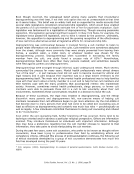
Even though incorrect, the widespread belief among many parents that (involuntary)
deprogramming was their best, if not their only option was not as unreasonable at that time
as it seems today. This belief was so widely held and so supported by media accounts that
several state legislatures considered conservatorship legislation, which would have enabled
the parents of a cult member to legally extricate him or her for psychiatric evaluation. Such
legislation was tantamount to a legalization of deprogramming. Though arousing passionate
opposition, this legislation garnered significant support. In New York State, for example, the
legislature twice passed the legislation, only to have it vetoed by the governor. Ultimately,
however, the opposition to deprogramming and the growing recognition of the effectiveness
of less restrictive alternatives ended all legislative efforts for conservatorship bills.
Deprogramming was controversial because it involved forcing a cult member to listen to
people relate information not available in the cults. Cult members were sometimes abducted
from the street although more commonly they were simply prevented from leaving their
homes, a vacation cabin, a motel room, or whatever location was chosen for the
deprogramming process. Deprogrammings often succeeded in extricating the family
member from the cult one study found a success rate of 63%.* Nevertheless,
deprogrammings failed more often than many persons realized and sometimes lawsuits
were filed against parents and deprogrammers.
Deprogrammings were arranged through informal, quasi-underground means. Much secrecy
surrounded the process for many years. Mental health professionals were almost always
“out of the loop” --in part because most did not want to become involved for ethical and
legal reasons and in part because their expertise was to a large extent irrelevant to the
deprogramming itself. The main role of the mental health professional was to help families
cope with their alarm about a family member in a cult and to help former cult members and
their families cope with the many problems that accompanied reentry into mainstream
society. However, sometimes mental health professionals, clergy persons, or former cult
members were able to persuade those still in a cult to talk voluntarily about their cult
involvements. Sometimes these conversations resulted in a decision to leave the cult.
Because of these successes, the legal risks entailed in deprogramming, and the ethical
discomfort many parents and deprogrammers felt, non-coercive means of helping cult
members reevaluate their cult affiliations began to get more attention. By the mid-1980s it
had become clear to many persons that what had come to be called exit counseling was at
least as effective as deprogramming and certainly was much less risky --psychologically as
well as legally. A few individuals committed themselves to doing exit counseling and refused
to do “involuntaries.”
Even within the exit counseling field, further branching off has occurred. Some tend to be
technique oriented and/or advance a particular religious perspective. Others are information
oriented. They introduce themselves as individuals with important information. Although
they may have a preference regarding how the cult member chooses to respond to that
information, they take pains to avoid manipulating the cult member.
During the past few years, some exit counselors, who prefer to be known as thought reform
consultants, have been trying to professionalize their field by establishing ethical and
competency criteria. Although this process of professionalization continues, the following set
of ethical standards developed by a group of exit counselors demonstrates how much this
field has developed during the past 20 years.
*M.D. Langone. (1984). Deprogramming: An analysis of parental questionnaires. Cultic Studies Journal, 1(1),
63B78.
Even though incorrect, the widespread belief among many parents that (involuntary)
deprogramming was their best, if not their only option was not as unreasonable at that time
as it seems today. This belief was so widely held and so supported by media accounts that
several state legislatures considered conservatorship legislation, which would have enabled
the parents of a cult member to legally extricate him or her for psychiatric evaluation. Such
legislation was tantamount to a legalization of deprogramming. Though arousing passionate
opposition, this legislation garnered significant support. In New York State, for example, the
legislature twice passed the legislation, only to have it vetoed by the governor. Ultimately,
however, the opposition to deprogramming and the growing recognition of the effectiveness
of less restrictive alternatives ended all legislative efforts for conservatorship bills.
Deprogramming was controversial because it involved forcing a cult member to listen to
people relate information not available in the cults. Cult members were sometimes abducted
from the street although more commonly they were simply prevented from leaving their
homes, a vacation cabin, a motel room, or whatever location was chosen for the
deprogramming process. Deprogrammings often succeeded in extricating the family
member from the cult one study found a success rate of 63%.* Nevertheless,
deprogrammings failed more often than many persons realized and sometimes lawsuits
were filed against parents and deprogrammers.
Deprogrammings were arranged through informal, quasi-underground means. Much secrecy
surrounded the process for many years. Mental health professionals were almost always
“out of the loop” --in part because most did not want to become involved for ethical and
legal reasons and in part because their expertise was to a large extent irrelevant to the
deprogramming itself. The main role of the mental health professional was to help families
cope with their alarm about a family member in a cult and to help former cult members and
their families cope with the many problems that accompanied reentry into mainstream
society. However, sometimes mental health professionals, clergy persons, or former cult
members were able to persuade those still in a cult to talk voluntarily about their cult
involvements. Sometimes these conversations resulted in a decision to leave the cult.
Because of these successes, the legal risks entailed in deprogramming, and the ethical
discomfort many parents and deprogrammers felt, non-coercive means of helping cult
members reevaluate their cult affiliations began to get more attention. By the mid-1980s it
had become clear to many persons that what had come to be called exit counseling was at
least as effective as deprogramming and certainly was much less risky --psychologically as
well as legally. A few individuals committed themselves to doing exit counseling and refused
to do “involuntaries.”
Even within the exit counseling field, further branching off has occurred. Some tend to be
technique oriented and/or advance a particular religious perspective. Others are information
oriented. They introduce themselves as individuals with important information. Although
they may have a preference regarding how the cult member chooses to respond to that
information, they take pains to avoid manipulating the cult member.
During the past few years, some exit counselors, who prefer to be known as thought reform
consultants, have been trying to professionalize their field by establishing ethical and
competency criteria. Although this process of professionalization continues, the following set
of ethical standards developed by a group of exit counselors demonstrates how much this
field has developed during the past 20 years.
*M.D. Langone. (1984). Deprogramming: An analysis of parental questionnaires. Cultic Studies Journal, 1(1),
63B78.