Cultic Studies Review, Vol. 5, No. 1, 2006, Page 72
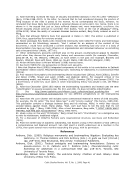
Shamir, B., House, R., and Arthur, M. (1993) The motivational effects of charismatic
leadership: a self-concept based theory, Organization Science, 4, 577-594.
Sherman, S. (2002) Enron: Uncovering the uncovered story, Columbia Journalism Review,
40, 22-28.
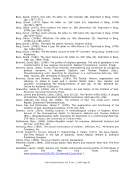
Singer, M. (1987) Group psychodynamics, in R. Berkow and M. Sharp (Eds.) The Merck
Manual of Diagnosis and Therapy. Rahway, NJ: Dohme Research Laboratories.
Singer, M. (with Lalich, J.) (1995) Cults in Our Midst: The Hidden Menace In Our Everyday
Lives, San Francisco: Jossey-Bass.
Steiger, P. (Summer, 2002) Not every journalist ―missed‖ the Enron story, Nieman Reports,
10-12.
Stein, A. (2002) Inside Out: A Memoir of Entering and Breaking Out of a Minneapolis
Political Cult, St Cloud, Minnesota: North Star Pr.
Swartz, M., and Watkins, S. (2003) Power Failure: The rise and fall of Enron, London:
Aurum Press.
Tinker, T. (2003) Spectres of accounting: contradictions or conflicts of interest?
Organization, 10, 577-582.
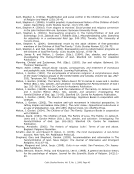
Tobias, M., and Lalich, J. (1994) Captive Hearts, Captive Minds: Freedom and Recovery
From Cults and Abusive Relationships, Alameda, CA: Hunter House.
Tourish, D. (1998) Ideological intransigence, democratic centralism and cultism: a case
study from the political left, Cultic Studies Journal, 15, 33-67.
Tourish, D., and Pinnington, A. (2002) Transformational leadership, corporate cultism and
the spirituality paradigm: An unholy trinity in the workplace? Human Relations, 55,
147-172.
Tourish, D., and Wohlforth, T. (2000) On the Edge: Political Cults of the Left and Right, New
York: Sharpe.
Townley, B. (1994) Reframing Human Resource Management: Power, Ethics and the
Subject at Work, London: Sage.
Vinten, G. (2002) The corporate governance lessons of Enron, Corporate Governance, 2,
16-19.
Watkins, S. (2003a.) Ethical conflicts at Enron: Moral responsibility in corporate capitalism,
California Management Review, 45, 6-19.
Watkins, S. (2003b.) Former Enron Vice-President Sherron Watkins on the Enron collapse,
Academy of Management Executive, 17, 119-127.
Weidenbaum, M. (2002) Responding to the challenge: Corporate governance, Vital
Speeches of the Day, 68, 597-602.
Werther, W. (2003) Enron: The forgotten middle, Organization, 10, 568-571.
Wexler M., and S. Fraser, S. (1995) ―Expanding the groupthink explanation to the study of
contemporary cults,‖ Cultic Studies Journal, 12, 49-71.
Willmott, H. (2003) Renewing Strength: Corporate culture revisited, Management, 6, 73-87.
Willmott, H. (1993) Strength is ignorance slavery is freedom: managing culture in modern
organizations, Journal of Management Studies, 30, 515-552.
Zuboff, S. (1988) In the Age of the Smart Machine, Oxford: Heinemann.
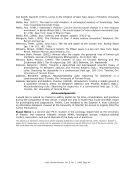
Acknowledgement
This article is reprinted with permission from Leadership, Vol. 1, pp. 455-480, Sage
Publications, 2005. Copyright Sage Publications, 2005. The article‘s English spelling
conventions have not been changed.
Dennis Tourish, Ph.D., is a Professor of Communication at Aberdeen Business School, in
the Robert Gordon University. He has published widely on group influence and cultism, and
is the co-author (with Tim Wohlforth) of On the Edge: Political Cults Right and Left. He also
researches and teaches interpersonal and organizational communication, has lectured on
cults in a number of UK and Australian Universities, and has acted as an expert witness on
Shamir, B., House, R., and Arthur, M. (1993) The motivational effects of charismatic
leadership: a self-concept based theory, Organization Science, 4, 577-594.
Sherman, S. (2002) Enron: Uncovering the uncovered story, Columbia Journalism Review,
40, 22-28.
Singer, M. (1987) Group psychodynamics, in R. Berkow and M. Sharp (Eds.) The Merck
Manual of Diagnosis and Therapy. Rahway, NJ: Dohme Research Laboratories.
Singer, M. (with Lalich, J.) (1995) Cults in Our Midst: The Hidden Menace In Our Everyday
Lives, San Francisco: Jossey-Bass.
Steiger, P. (Summer, 2002) Not every journalist ―missed‖ the Enron story, Nieman Reports,
10-12.
Stein, A. (2002) Inside Out: A Memoir of Entering and Breaking Out of a Minneapolis
Political Cult, St Cloud, Minnesota: North Star Pr.
Swartz, M., and Watkins, S. (2003) Power Failure: The rise and fall of Enron, London:
Aurum Press.
Tinker, T. (2003) Spectres of accounting: contradictions or conflicts of interest?
Organization, 10, 577-582.
Tobias, M., and Lalich, J. (1994) Captive Hearts, Captive Minds: Freedom and Recovery
From Cults and Abusive Relationships, Alameda, CA: Hunter House.
Tourish, D. (1998) Ideological intransigence, democratic centralism and cultism: a case
study from the political left, Cultic Studies Journal, 15, 33-67.
Tourish, D., and Pinnington, A. (2002) Transformational leadership, corporate cultism and
the spirituality paradigm: An unholy trinity in the workplace? Human Relations, 55,
147-172.
Tourish, D., and Wohlforth, T. (2000) On the Edge: Political Cults of the Left and Right, New
York: Sharpe.
Townley, B. (1994) Reframing Human Resource Management: Power, Ethics and the
Subject at Work, London: Sage.
Vinten, G. (2002) The corporate governance lessons of Enron, Corporate Governance, 2,
16-19.
Watkins, S. (2003a.) Ethical conflicts at Enron: Moral responsibility in corporate capitalism,
California Management Review, 45, 6-19.
Watkins, S. (2003b.) Former Enron Vice-President Sherron Watkins on the Enron collapse,
Academy of Management Executive, 17, 119-127.
Weidenbaum, M. (2002) Responding to the challenge: Corporate governance, Vital
Speeches of the Day, 68, 597-602.
Werther, W. (2003) Enron: The forgotten middle, Organization, 10, 568-571.
Wexler M., and S. Fraser, S. (1995) ―Expanding the groupthink explanation to the study of
contemporary cults,‖ Cultic Studies Journal, 12, 49-71.
Willmott, H. (2003) Renewing Strength: Corporate culture revisited, Management, 6, 73-87.
Willmott, H. (1993) Strength is ignorance slavery is freedom: managing culture in modern
organizations, Journal of Management Studies, 30, 515-552.
Zuboff, S. (1988) In the Age of the Smart Machine, Oxford: Heinemann.
Acknowledgement
This article is reprinted with permission from Leadership, Vol. 1, pp. 455-480, Sage
Publications, 2005. Copyright Sage Publications, 2005. The article‘s English spelling
conventions have not been changed.
Dennis Tourish, Ph.D., is a Professor of Communication at Aberdeen Business School, in
the Robert Gordon University. He has published widely on group influence and cultism, and
is the co-author (with Tim Wohlforth) of On the Edge: Political Cults Right and Left. He also
researches and teaches interpersonal and organizational communication, has lectured on
cults in a number of UK and Australian Universities, and has acted as an expert witness on