Cultic Studies Review, Vol. 5, No. 1, 2006, Page 55
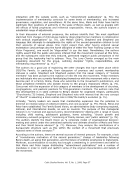
Typically, cults have a shared commitment to a charismatic leader and uphold a
transcendent ideology, the nature of which varies dramatically from group to group but
which is as likely to be secular in nature as it is religious (Lalich, 2004). A cult‘s leader
therefore possesses enormous authority in the eyes of his or her followers. Having invested
many of their hopes for a better life in the leader, followers are intrinsically motivated to
look positively on the leader‘s words and actions. The resulting high commitment of
members is usually expressed in Stakhonivite work norms which mean that the group
environment virtually monopolises their time. Members also replace their pre-existing
beliefs and values with those of the group, lose confidence in their own perceptions in
favour of those of the group‘s leaders, and experience social punishments such as shunning
by other members if they deviate from carefully prescribed norms (Langone, 1995 Singer,
1987). Conformity is critical. The outcome is an environment dominated by what has been
described as ―bounded choice‖ (Lalich, 2004) – i.e. one in which the expression of only a
limited and tightly regulated repertoire of beliefs, behaviours and emotions is permissible.
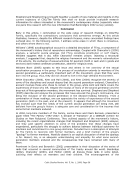
Overall, the following key ingredients of cultic dynamics, which mirror the defining traits of
transformational leadership, have been identified in the literature (Tourish and Pinnington,
2002):
1. Charismatic leadership (which may reflect some innate qualities on the part of the
leader, but may just as easily be a socially engineered construct in the minds of the
followers, and thus constitute an attributional phenomenon)
2. A compelling vision/ Intellectual stimulation (the vision being of a transcendent or
totalistic character, capable of imbuing the individual‘s relationship to the
organization with a sense of higher purpose. Meanwhile, intellectual stimulation is
aimed at motivating followers to intensify their efforts in support of the vision,
compellingly articulated by the group‘s leaders)
3. Individual consideration (or a feeling that the followers‘ interests are being attended
to, and perhaps that they are in some way important to the charismatic leader,
leading to a process of recruitment/initiation, conversion and indoctrination)
4. Promotion of a common culture (a set of norms which specify particular attitudes and
forms of behaviour deemed to be appropriate. Within cults, these also minimize the
expression of dissent, other than within carefully controlled limits, and hence
produce a punitive internal environment).
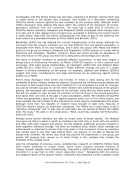
Each of these is now considered in-depth, and the extent to which they were at play within
the Enron organization is explored. The dominant traits of cults are also outlined in Exhibit
One, alongside a summary of Enron‘s internal cultural dynamics that operate in parallel to
them. See Exhibit One in pdf file attached.
1. Charismatic Leadership, Dissent, and Leadership Privileges
Leaders often possess and dramatically communicate ―a vision‖ for their organization. A
vision has been defined as a mental image that a leader evokes to portray an idealized
future state (Conger, 1989). Equipped with a compelling vision, charismatic leaders can
have a ―profound and extraordinary effects on followers‖ (House and Baetz, 1979, p.339).
Clearly, these effects may be individually benign and/ or socially useful. But they may also
be individually harmful and/ or socially destructive. It is therefore not surprising that
charismatic leadership has been described as a recurrent dynamic in all manner of cults,
including doomsday cults in the 1950s (Festinger, 1957), the infamous Jonestown cult of
the 1970s (Layton, 1999), the suicidal Heavens Gate cult in California during the 1990s
(Lalich, 2004), and in the homicidal Aum cult in Japan (Lifton, 1999). Leaders in each of
these groups articulated a compelling ―vision‖ that motivated their followers to display
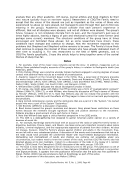
Typically, cults have a shared commitment to a charismatic leader and uphold a
transcendent ideology, the nature of which varies dramatically from group to group but
which is as likely to be secular in nature as it is religious (Lalich, 2004). A cult‘s leader
therefore possesses enormous authority in the eyes of his or her followers. Having invested
many of their hopes for a better life in the leader, followers are intrinsically motivated to
look positively on the leader‘s words and actions. The resulting high commitment of
members is usually expressed in Stakhonivite work norms which mean that the group
environment virtually monopolises their time. Members also replace their pre-existing
beliefs and values with those of the group, lose confidence in their own perceptions in
favour of those of the group‘s leaders, and experience social punishments such as shunning
by other members if they deviate from carefully prescribed norms (Langone, 1995 Singer,
1987). Conformity is critical. The outcome is an environment dominated by what has been
described as ―bounded choice‖ (Lalich, 2004) – i.e. one in which the expression of only a
limited and tightly regulated repertoire of beliefs, behaviours and emotions is permissible.
Overall, the following key ingredients of cultic dynamics, which mirror the defining traits of
transformational leadership, have been identified in the literature (Tourish and Pinnington,
2002):
1. Charismatic leadership (which may reflect some innate qualities on the part of the
leader, but may just as easily be a socially engineered construct in the minds of the
followers, and thus constitute an attributional phenomenon)
2. A compelling vision/ Intellectual stimulation (the vision being of a transcendent or
totalistic character, capable of imbuing the individual‘s relationship to the
organization with a sense of higher purpose. Meanwhile, intellectual stimulation is
aimed at motivating followers to intensify their efforts in support of the vision,
compellingly articulated by the group‘s leaders)
3. Individual consideration (or a feeling that the followers‘ interests are being attended
to, and perhaps that they are in some way important to the charismatic leader,
leading to a process of recruitment/initiation, conversion and indoctrination)
4. Promotion of a common culture (a set of norms which specify particular attitudes and
forms of behaviour deemed to be appropriate. Within cults, these also minimize the
expression of dissent, other than within carefully controlled limits, and hence
produce a punitive internal environment).
Each of these is now considered in-depth, and the extent to which they were at play within
the Enron organization is explored. The dominant traits of cults are also outlined in Exhibit
One, alongside a summary of Enron‘s internal cultural dynamics that operate in parallel to
them. See Exhibit One in pdf file attached.
1. Charismatic Leadership, Dissent, and Leadership Privileges
Leaders often possess and dramatically communicate ―a vision‖ for their organization. A
vision has been defined as a mental image that a leader evokes to portray an idealized
future state (Conger, 1989). Equipped with a compelling vision, charismatic leaders can
have a ―profound and extraordinary effects on followers‖ (House and Baetz, 1979, p.339).
Clearly, these effects may be individually benign and/ or socially useful. But they may also
be individually harmful and/ or socially destructive. It is therefore not surprising that
charismatic leadership has been described as a recurrent dynamic in all manner of cults,
including doomsday cults in the 1950s (Festinger, 1957), the infamous Jonestown cult of
the 1970s (Layton, 1999), the suicidal Heavens Gate cult in California during the 1990s
(Lalich, 2004), and in the homicidal Aum cult in Japan (Lifton, 1999). Leaders in each of
these groups articulated a compelling ―vision‖ that motivated their followers to display