Cultic Studies Review, Vol. 5, No. 1, 2006, Page 35
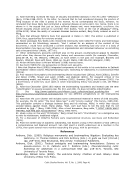
Williams Boeri‘s study provides interesting insights into the daily problems as well as the
emotional, physical, and psychological legacies that the women faced when entering into a
new and confusing social domain. Her work yields data on yet another facet of this
movement—the transition from female disciple to member of mainstream society, and all
that this role transition entails. She acknowledges that the findings of this article are not
generalizable to all female ex-members of COG/The Family or to all ex-members of other
groups, but that some parallels are likely emerge (pp. 333, 353).
“Generational Revolt by the Adult Children of First Generation Members of the
Children of God/The Family,” by Stephen Kent. In Cultic Studies Review, Vol. 3
No. 2 (2004)
Kent returns to the experiences of the first wave of second-generation members in this
discussion. He posits that core COG/The Family doctrines, along with specific policies and
publications, had problematic implications for the children of the movement and hence
contributed to their rejection of the group and its teachings. Kent begins his article with a
reflection on the abuse that Ricky Rodriguez states that he and his half-sister Techi
experienced at the hands of Berg, Maria, and other men and women in the leader‘s home.
Ironically, Berg intended that his adopted son would replace him as the group‘s prophet and
leader. Instead, Ricky and other second-generation members rejected the group‘s belief
system, left the group, and subsequently voiced their criticisms of the movement (pp. 56–
57).
Kent identifies seven particularly problematic doctrines. First, he posits that the disciples‘
unwavering acceptance of Berg as God‘s prophet facilitated and legitimated the practice of
punishment for ―murmurings‖—that is, ―expressions of doubt[s]‖ about the reality of this
claim (p. 58). Second, Kent asserts that the group‘s conflation of love and sex shaped a
―highly eroticized‖ environment in which adults socialized children into a range of sexual
attitudes and behaviours. Third, because God‘s words (as apparently mediated through
Berg) were sacrosanct, they superseded all other responsibilities. Thus, parents frequently
had to put the group‘s work first, before their children. Moreover, many of the women had
―Jesus babies‖ (that is, babies fathered by men that they had FFed). Because of this
separation, ―emotional bonds between children and their parents were severely strained,
and many children did not know their biological fathers‖ (pp. 58–59). Fourth, because the
group conceptualized society as the evil playground of the devil, disciples did not contact
official channels when known or suspected abuses and crimes occurred. Fifth, to prevent
members, including children, from being enticed into the outside world, leaders enacted
harsh punishments for deviation from Berg and the group. Sixth, COG/The Family formed its
own educational system—one that did not always meet with general standards, due to the
lack of qualified teachers and a biased and inadequate curriculum. Moreover, children often
were engaged in other COG/The Family activities that took them away from schooling.
Finally, Kent notes that the itinerant nature of the group disturbed the children‘s education
(although it facilitated a global network of contacts among them).
Berg‘s policies and publications reinforced the seven core doctrines. For example, Kent
notes that when children became ill or were born with defects, Berg blamed the parents for
poor disciplinary measures. He remarks that Berg believed that inadequate discipline made
children vulnerable ―to evil spirits or demonic possession‖ hence, he advocated physical
discipline, including ―spankings and beatings ...to drive out the evil‖ (p. 61). These abuses
have fostered a deep resentment in the second-generation members who endured them
toward the parents and leaders who initiated them.
When Berg‘s own daughter, Deborah, left the movement in 1978, he did not, however,
blame himself for her defection. Indeed, Kent notes that in a 1983 publication, Berg asserts
that he had not fallen short in his parental duties. In this same publication, Berg encourages
Williams Boeri‘s study provides interesting insights into the daily problems as well as the
emotional, physical, and psychological legacies that the women faced when entering into a
new and confusing social domain. Her work yields data on yet another facet of this
movement—the transition from female disciple to member of mainstream society, and all
that this role transition entails. She acknowledges that the findings of this article are not
generalizable to all female ex-members of COG/The Family or to all ex-members of other
groups, but that some parallels are likely emerge (pp. 333, 353).
“Generational Revolt by the Adult Children of First Generation Members of the
Children of God/The Family,” by Stephen Kent. In Cultic Studies Review, Vol. 3
No. 2 (2004)
Kent returns to the experiences of the first wave of second-generation members in this
discussion. He posits that core COG/The Family doctrines, along with specific policies and
publications, had problematic implications for the children of the movement and hence
contributed to their rejection of the group and its teachings. Kent begins his article with a
reflection on the abuse that Ricky Rodriguez states that he and his half-sister Techi
experienced at the hands of Berg, Maria, and other men and women in the leader‘s home.
Ironically, Berg intended that his adopted son would replace him as the group‘s prophet and
leader. Instead, Ricky and other second-generation members rejected the group‘s belief
system, left the group, and subsequently voiced their criticisms of the movement (pp. 56–
57).
Kent identifies seven particularly problematic doctrines. First, he posits that the disciples‘
unwavering acceptance of Berg as God‘s prophet facilitated and legitimated the practice of
punishment for ―murmurings‖—that is, ―expressions of doubt[s]‖ about the reality of this
claim (p. 58). Second, Kent asserts that the group‘s conflation of love and sex shaped a
―highly eroticized‖ environment in which adults socialized children into a range of sexual
attitudes and behaviours. Third, because God‘s words (as apparently mediated through
Berg) were sacrosanct, they superseded all other responsibilities. Thus, parents frequently
had to put the group‘s work first, before their children. Moreover, many of the women had
―Jesus babies‖ (that is, babies fathered by men that they had FFed). Because of this
separation, ―emotional bonds between children and their parents were severely strained,
and many children did not know their biological fathers‖ (pp. 58–59). Fourth, because the
group conceptualized society as the evil playground of the devil, disciples did not contact
official channels when known or suspected abuses and crimes occurred. Fifth, to prevent
members, including children, from being enticed into the outside world, leaders enacted
harsh punishments for deviation from Berg and the group. Sixth, COG/The Family formed its
own educational system—one that did not always meet with general standards, due to the
lack of qualified teachers and a biased and inadequate curriculum. Moreover, children often
were engaged in other COG/The Family activities that took them away from schooling.
Finally, Kent notes that the itinerant nature of the group disturbed the children‘s education
(although it facilitated a global network of contacts among them).
Berg‘s policies and publications reinforced the seven core doctrines. For example, Kent
notes that when children became ill or were born with defects, Berg blamed the parents for
poor disciplinary measures. He remarks that Berg believed that inadequate discipline made
children vulnerable ―to evil spirits or demonic possession‖ hence, he advocated physical
discipline, including ―spankings and beatings ...to drive out the evil‖ (p. 61). These abuses
have fostered a deep resentment in the second-generation members who endured them
toward the parents and leaders who initiated them.
When Berg‘s own daughter, Deborah, left the movement in 1978, he did not, however,
blame himself for her defection. Indeed, Kent notes that in a 1983 publication, Berg asserts
that he had not fallen short in his parental duties. In this same publication, Berg encourages