Cultic Studies Review, Vol. 4, No. 2, 2005, Page 94
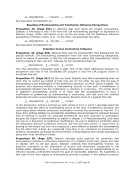
X disputational X relevant correct
Here again, Anthony confuses measurement with theorizing. Rokeach‘s dogmatism scale
and Adorno‘s authoritarianism scales are attempts to operationalize and measure concepts.
They may be very useful, but they are not theories and they make no claim to be theories.
Ironically, by citing these particular authors, Anthony undermines some of his other
criticisms of my work. These scales that he admires come simply from responses to
questionnaire items. If Anthony recognizes the value of using questionnaires to measure
these invisible, internal, individual states, why not apply the same reasoning to
questionnaires that measure exit costs or uncritical obedience?
Proposition 88. (Page 283) The totalitarian influence interpretation of this tradition of
research more parsimoniously handles the range of research presently available on new
religions.... It seems obvious to me that a theory that hopes to explain conversion to new
religions, as well as their psychological impact on individuals and the evolution of such
movements in either positive or pathological directions, must take individual differences into
account.
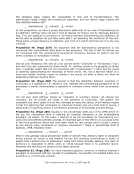
X disputational relevant X correct
Anthony is correct that individual differences should be taken into account. The comment is
irrelevant, however, because nothing in my theory is incompatible with doing so. What
Anthony calls the ―totalitarian influence interpretation‖ is not in competition with
brainwashing theory. A scholar using both might well do better at explaining any given NRM
than a scholar using only one or the other. In personal conversations with Anthony, I have
gotten the impression that he thinks that brainwashing must be used as the absolute and
complete explanation of what makes a particular NRM tick. This is a legitimate criticism of
some of the partisan literature of the anticult movement. But such claims of a single cause
that explains everything are not found in scientific writings.
Brainwashing Ideology As Totalism: Apostate Tales
Proposition 89. (Page 286f) NRM scholars view these findings as an indication that the
brainwashing view of their experiences results from socialization into the anticult movement
and is adopted as an exculpatory mechanism for reentering mainstream institutions without
being blamed for have rejected them in the first place. Brainwashing authors adopt various
explanations for defending the scientific accuracy of the brainwashing claims of
ex-members, e.g. some members of the same group were brainwashed and some were not,
or ex-members associated with the anticult movement have learned to understand their
past memberships correctly whereas those not associated with it remain in denial about why
there were members in the first place.
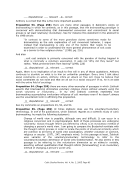
disputational relevant correct
This proposition is pure opinion. It is both incorrect and irrelevant. Anthony is simply stating
his own opinion as to why others come to the opinions that they hold.
Proposition 90. (Page 287f) My idea is that the anticult movement itself, and the
brainwashing ideology which rationalizes it, have many of the characteristics that the
totalitarian influence tradition describes as characteristic of totalistic organizations and
ideologies.... If I am correct about brainwashing ideology being a form of totalitarian
influence, it would presumably serve the function of ministering to a polarized self-sense
and curing identity confusion by enabling converts to it to shift responsibility for undesirable
aspects of their personalities and former behavior onto a scapegoated contrast category.
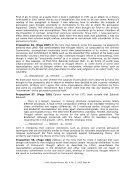
disputational relevant correct
X disputational X relevant correct
Here again, Anthony confuses measurement with theorizing. Rokeach‘s dogmatism scale
and Adorno‘s authoritarianism scales are attempts to operationalize and measure concepts.
They may be very useful, but they are not theories and they make no claim to be theories.
Ironically, by citing these particular authors, Anthony undermines some of his other
criticisms of my work. These scales that he admires come simply from responses to
questionnaire items. If Anthony recognizes the value of using questionnaires to measure
these invisible, internal, individual states, why not apply the same reasoning to
questionnaires that measure exit costs or uncritical obedience?
Proposition 88. (Page 283) The totalitarian influence interpretation of this tradition of
research more parsimoniously handles the range of research presently available on new
religions.... It seems obvious to me that a theory that hopes to explain conversion to new
religions, as well as their psychological impact on individuals and the evolution of such
movements in either positive or pathological directions, must take individual differences into
account.
X disputational relevant X correct
Anthony is correct that individual differences should be taken into account. The comment is
irrelevant, however, because nothing in my theory is incompatible with doing so. What
Anthony calls the ―totalitarian influence interpretation‖ is not in competition with
brainwashing theory. A scholar using both might well do better at explaining any given NRM
than a scholar using only one or the other. In personal conversations with Anthony, I have
gotten the impression that he thinks that brainwashing must be used as the absolute and
complete explanation of what makes a particular NRM tick. This is a legitimate criticism of
some of the partisan literature of the anticult movement. But such claims of a single cause
that explains everything are not found in scientific writings.
Brainwashing Ideology As Totalism: Apostate Tales
Proposition 89. (Page 286f) NRM scholars view these findings as an indication that the
brainwashing view of their experiences results from socialization into the anticult movement
and is adopted as an exculpatory mechanism for reentering mainstream institutions without
being blamed for have rejected them in the first place. Brainwashing authors adopt various
explanations for defending the scientific accuracy of the brainwashing claims of
ex-members, e.g. some members of the same group were brainwashed and some were not,
or ex-members associated with the anticult movement have learned to understand their
past memberships correctly whereas those not associated with it remain in denial about why
there were members in the first place.
disputational relevant correct
This proposition is pure opinion. It is both incorrect and irrelevant. Anthony is simply stating
his own opinion as to why others come to the opinions that they hold.
Proposition 90. (Page 287f) My idea is that the anticult movement itself, and the
brainwashing ideology which rationalizes it, have many of the characteristics that the
totalitarian influence tradition describes as characteristic of totalistic organizations and
ideologies.... If I am correct about brainwashing ideology being a form of totalitarian
influence, it would presumably serve the function of ministering to a polarized self-sense
and curing identity confusion by enabling converts to it to shift responsibility for undesirable
aspects of their personalities and former behavior onto a scapegoated contrast category.
disputational relevant correct