International Journal of Cultic Studies ■ Vol. 5, 2014 69
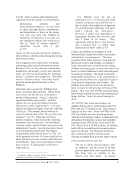
informative discussion of how Scientology rose
to prominence amidst controversy.
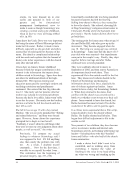
It is a shame, however, that Wright failed to
mention the work of many other researchers who
preceded him. In some instances, he provides
enough information about key academics. For
instance, he provides a short account of Robert
Lifton’s book Thought Reform and the
Psychology of Totalism as part of his
explanation as to why many people in
Scientology’s forced reeducation and labour
system (the Rehabilitation Project Force, or
RPF) remain loyal to Scientology. Although
this account is not detailed, it provides a concise
explanation of Lifton’s work, which has shaped
many debates on cults and new religious
movements.
Unfortunately, while he correctly notes that
many academics have supported Scientology,
Wright neglects much of the body of critical
academic work on Scientology. In fact, he lists
five very influential academics in this area: Roy
Wallis, Harriet Whitehead, Hugh Urban, David
S. Touretzky, and Stephen Kent. Even so, he
fails to cite Touretzky, and the only reference to
Kent’s work on the RPF resides in a footnote
(p. 392, note 141). As such, the reader has little
idea of what these academics (and most of the
critical academics listed) have written about
Scientology. Other recent but absent articles
that relate to discussions in Going Clear include
those of Benjamin Beit-Hallahmi (2003), Jodi
Lane and Stephen Kent (2008),2 W. Vaughn
McCall (2007), Susan Raine (2009), and my
own work (Manca, 2010). I suspect (or hope)
that he omitted these authors accidentally rather
than deliberately. Although his book is well
written and informative, Wright’s analysis of
academic discussions about Scientology is weak.
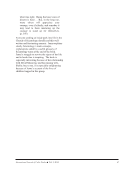
Bibliography
Beit-Hallahmi, Benjamin. 2003. “Scientology: Religion or racket?”
Marburg Journal of Religion, 8(1). Retrieved from
http://www.uni-marburg.de/fb03/ivk/mjr/past_issues
Calderone, Michael. 2013 (Jan 17). Lawrence Wright publisher
defends book against Church of Scientology claims. The
Huffington Post. Retrieved from
2 Lane and Kent’s (2008) article relates very strongly to a
conversation that Wright cites with psychiatrist Stephen Wiseman,
so it is curious that Wright did not address this document.
http://www.huffingtonpost.com/2013/01/17/lawrence-wright-
publisher-scientology_n_2489798.html
The Daily Beast. 2013 (Jan 23). Scientology v. Lawrence Wright.
Retrieved from http://www.thedailybeast.com/articles/2013/01/23/
scientologists-claim-errors-in-lawrence-wright-book.html
The New Yorker. 2013. Contributors: Lawrence Wright. Retrieved
from http://www.newyorker.com/magazine/bios/Lawrence_wright/
search?contributorName=lawrence%20wright
Church of Scientology International. 2013. “How Lawrence
Wright got it so wrong: A correction on the falsehoods in
Lawrence Wright’s book on Scientology.” Church of
Scientology International. Retrieved from
http://www.lawrencewrightgoingclear.com
Kent, Stephen A. 1999. “Scientology—Is this a religion?”
Marburg Journal of Religion, 4(1). Retrieved from
http://www.uni-marburg.de/fb03/ivk/mjr/past_issues
Manca, Terra. 2010. “Alternative therapy, Dianetics, and
Scientology.” Marburg Journal of Religion, 15. Retrieved from
http://www.uni-marburg.de/fb03/ivk/mjr/past_issues
McCall, W. Vaughn. 2007. “Psychiatry and psychology in the
writings of L. Ron Hubbard.” Journal of Religion and Health,
46(3): 437–447.
Raine, Susan. 2009. “Surveillance in a new religious movement:
Scientology as a case study.” Religious Studies and Theology,
28(1): 68–94.
Wright, Lawrence. 2011 (February 14). “The apostate: Paul Haggis
vs. the Church of Scientology.” The New Yorker (Profiles).
Retrieved from http://www.newyorker.com/magazine/bios/
lawrence_wright/search?contributorName=lawrence%20wrighthttp
://www.newyorker.com/reporting/2011/02/14/110214fa_fact_wrig
ht?currentPage=1
informative discussion of how Scientology rose
to prominence amidst controversy.
It is a shame, however, that Wright failed to
mention the work of many other researchers who
preceded him. In some instances, he provides
enough information about key academics. For
instance, he provides a short account of Robert
Lifton’s book Thought Reform and the
Psychology of Totalism as part of his
explanation as to why many people in
Scientology’s forced reeducation and labour
system (the Rehabilitation Project Force, or
RPF) remain loyal to Scientology. Although
this account is not detailed, it provides a concise
explanation of Lifton’s work, which has shaped
many debates on cults and new religious
movements.
Unfortunately, while he correctly notes that
many academics have supported Scientology,
Wright neglects much of the body of critical
academic work on Scientology. In fact, he lists
five very influential academics in this area: Roy
Wallis, Harriet Whitehead, Hugh Urban, David
S. Touretzky, and Stephen Kent. Even so, he
fails to cite Touretzky, and the only reference to
Kent’s work on the RPF resides in a footnote
(p. 392, note 141). As such, the reader has little
idea of what these academics (and most of the
critical academics listed) have written about
Scientology. Other recent but absent articles
that relate to discussions in Going Clear include
those of Benjamin Beit-Hallahmi (2003), Jodi
Lane and Stephen Kent (2008),2 W. Vaughn
McCall (2007), Susan Raine (2009), and my
own work (Manca, 2010). I suspect (or hope)
that he omitted these authors accidentally rather
than deliberately. Although his book is well
written and informative, Wright’s analysis of
academic discussions about Scientology is weak.
Bibliography
Beit-Hallahmi, Benjamin. 2003. “Scientology: Religion or racket?”
Marburg Journal of Religion, 8(1). Retrieved from
http://www.uni-marburg.de/fb03/ivk/mjr/past_issues
Calderone, Michael. 2013 (Jan 17). Lawrence Wright publisher
defends book against Church of Scientology claims. The
Huffington Post. Retrieved from
2 Lane and Kent’s (2008) article relates very strongly to a
conversation that Wright cites with psychiatrist Stephen Wiseman,
so it is curious that Wright did not address this document.
http://www.huffingtonpost.com/2013/01/17/lawrence-wright-
publisher-scientology_n_2489798.html
The Daily Beast. 2013 (Jan 23). Scientology v. Lawrence Wright.
Retrieved from http://www.thedailybeast.com/articles/2013/01/23/
scientologists-claim-errors-in-lawrence-wright-book.html
The New Yorker. 2013. Contributors: Lawrence Wright. Retrieved
from http://www.newyorker.com/magazine/bios/Lawrence_wright/
search?contributorName=lawrence%20wright
Church of Scientology International. 2013. “How Lawrence
Wright got it so wrong: A correction on the falsehoods in
Lawrence Wright’s book on Scientology.” Church of
Scientology International. Retrieved from
http://www.lawrencewrightgoingclear.com
Kent, Stephen A. 1999. “Scientology—Is this a religion?”
Marburg Journal of Religion, 4(1). Retrieved from
http://www.uni-marburg.de/fb03/ivk/mjr/past_issues
Manca, Terra. 2010. “Alternative therapy, Dianetics, and
Scientology.” Marburg Journal of Religion, 15. Retrieved from
http://www.uni-marburg.de/fb03/ivk/mjr/past_issues
McCall, W. Vaughn. 2007. “Psychiatry and psychology in the
writings of L. Ron Hubbard.” Journal of Religion and Health,
46(3): 437–447.
Raine, Susan. 2009. “Surveillance in a new religious movement:
Scientology as a case study.” Religious Studies and Theology,
28(1): 68–94.
Wright, Lawrence. 2011 (February 14). “The apostate: Paul Haggis
vs. the Church of Scientology.” The New Yorker (Profiles).
Retrieved from http://www.newyorker.com/magazine/bios/
lawrence_wright/search?contributorName=lawrence%20wrighthttp
://www.newyorker.com/reporting/2011/02/14/110214fa_fact_wrig
ht?currentPage=1