Cultic Studies Journal, Vol. 3, No. 2, 1986 Page 88
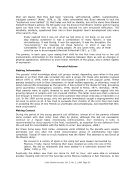
Eve, R. A. &Harrold, F. B. (1986). Creationism, cult archaeology, and other pseudoscientific
beliefs — A study of college students. Youth and Society, 17, 396-421,
Free Inquiry (Spring 1986). Special feature on faith-healing: Miracle or fraud? Kurtz, P. Introduction:
The need for investigation.
Randi, J. “Be healed in the name of God.‖
Singer, P. A medical anthropologist‘s view of American shamans. Barnhart, J. On the relative
sincerity of faith-healers.
Kurtz, P. Does faith-healing work?
Hocutt, M. Books: An insider‘s view of fundamentalism.
Free Inquiry (Summer, 1986). Special feature: The shocking truth about faith- healing.
Kurtz, P. Deceit in the name of God: What can be done?
Randi, J. Peter Popoff reaches heaven via 39.17 megahertz.
Shafersman, S. Peter Popoff: Miracle worker or scam artist?
Steiner, R. Behind the scenes with Peter Popoff.
Kurtz, P. W. V. Grant‘s faith-healing act revisited.
Free Inquiry (Fall 1986). Harris, M. Are past-life regressions evidence for reincarnation?
Edwards, P. The case against reincarnation (Part 1).
Larne, G. CSER‘s investigation [into faith-healing].
Randi, J. An answer to Peter Popoff.
Alexander, D. Popoffs TV empire declines.
Gordon, H. Richard Roberts‘s healing crusade.
Free Inquiry (Winter 1986/87).
Kurtz, P. The growth of fundamentalism worldwide: A Humanist response.
Edwards, P. The case against reincarnation (Part 2).
Galanter, M. (1986). ―Moonies‖ get married: A psychiatric follow-up study of a charismatic religious
sect. American Journal of Psychiatry, 143, 1245-1249. A three-year follow-up of long-time
members of the Unification Church revealed remarkable compliance with the sect‘s
unusual marital commitments. Of 305 subjects, 95% were still active in the church and
85% had been married in the interim to mates designated by their leader. Scores on a
psychological well-being test remained below those of the general population, and
members who deviated from the sect‘s expectations showed even greater distress.
Affirmative ties with the group apparently counteracted distress produced by the arranged
marriages and help explain compliance with the group‘s unusual behavioral norms.
Grunebaum, H. (1986). Harmful psychotherapy experience. American Journal of Psychotherapy, 40,
165-176. Report of interview study of mental health professionals who felt harmed by
psychotherapy and psychoanalysis. The respondents characterized the harmful therapies as
distant, cold, lacking in ―human quality,‖ or characterized by intense emotional and/or
sexual involvement.
Heide, F. J. (1986). Psychophysiological responses to auditory stimulation during
Transcendental Meditation. Psychophysiology, 23, 21-25. An examination of alpha
blocking, skin conductance, and phasic heart rate responses to 80 decibel tones TM
practitioners and controls showed no habituation of heart rate responding between the
groups. Controls showed more labile and accelerative cardiac responses. Results
suggest possible utility of cardiac waveform activity in study of meditation.
Henry, M. A. (1986). New Age nursing. Oklahoma Nurse, December 31, 16.
Hexham, I. (1986). Book review of Cult controversies — The societal response to the new religious
movements, by J. Beckford. Sociological Analysis, 47, 276-278.
Isachkova, L. M. (1986). Regional scientific conference on informatics and Scientology. Nauchno
Tecknicheskaya Informatsiya Seriya I Organizatsiya I Metodika Informatsionnoi Taboty, 9, 28-30.
Jedrczak, A. &Clements, G. (1984). The TM-Sidhi program and field independence. Perceptual
&Motor Skills, 59, 999-1000. Review of studies showing that practice of the TM-Sidhi program
produces a field independence effect and even increases the effect, and that frequency of
advanced experiences in the program is related to field independence.
Eve, R. A. &Harrold, F. B. (1986). Creationism, cult archaeology, and other pseudoscientific
beliefs — A study of college students. Youth and Society, 17, 396-421,
Free Inquiry (Spring 1986). Special feature on faith-healing: Miracle or fraud? Kurtz, P. Introduction:
The need for investigation.
Randi, J. “Be healed in the name of God.‖
Singer, P. A medical anthropologist‘s view of American shamans. Barnhart, J. On the relative
sincerity of faith-healers.
Kurtz, P. Does faith-healing work?
Hocutt, M. Books: An insider‘s view of fundamentalism.
Free Inquiry (Summer, 1986). Special feature: The shocking truth about faith- healing.
Kurtz, P. Deceit in the name of God: What can be done?
Randi, J. Peter Popoff reaches heaven via 39.17 megahertz.
Shafersman, S. Peter Popoff: Miracle worker or scam artist?
Steiner, R. Behind the scenes with Peter Popoff.
Kurtz, P. W. V. Grant‘s faith-healing act revisited.
Free Inquiry (Fall 1986). Harris, M. Are past-life regressions evidence for reincarnation?
Edwards, P. The case against reincarnation (Part 1).
Larne, G. CSER‘s investigation [into faith-healing].
Randi, J. An answer to Peter Popoff.
Alexander, D. Popoffs TV empire declines.
Gordon, H. Richard Roberts‘s healing crusade.
Free Inquiry (Winter 1986/87).
Kurtz, P. The growth of fundamentalism worldwide: A Humanist response.
Edwards, P. The case against reincarnation (Part 2).
Galanter, M. (1986). ―Moonies‖ get married: A psychiatric follow-up study of a charismatic religious
sect. American Journal of Psychiatry, 143, 1245-1249. A three-year follow-up of long-time
members of the Unification Church revealed remarkable compliance with the sect‘s
unusual marital commitments. Of 305 subjects, 95% were still active in the church and
85% had been married in the interim to mates designated by their leader. Scores on a
psychological well-being test remained below those of the general population, and
members who deviated from the sect‘s expectations showed even greater distress.
Affirmative ties with the group apparently counteracted distress produced by the arranged
marriages and help explain compliance with the group‘s unusual behavioral norms.
Grunebaum, H. (1986). Harmful psychotherapy experience. American Journal of Psychotherapy, 40,
165-176. Report of interview study of mental health professionals who felt harmed by
psychotherapy and psychoanalysis. The respondents characterized the harmful therapies as
distant, cold, lacking in ―human quality,‖ or characterized by intense emotional and/or
sexual involvement.
Heide, F. J. (1986). Psychophysiological responses to auditory stimulation during
Transcendental Meditation. Psychophysiology, 23, 21-25. An examination of alpha
blocking, skin conductance, and phasic heart rate responses to 80 decibel tones TM
practitioners and controls showed no habituation of heart rate responding between the
groups. Controls showed more labile and accelerative cardiac responses. Results
suggest possible utility of cardiac waveform activity in study of meditation.
Henry, M. A. (1986). New Age nursing. Oklahoma Nurse, December 31, 16.
Hexham, I. (1986). Book review of Cult controversies — The societal response to the new religious
movements, by J. Beckford. Sociological Analysis, 47, 276-278.
Isachkova, L. M. (1986). Regional scientific conference on informatics and Scientology. Nauchno
Tecknicheskaya Informatsiya Seriya I Organizatsiya I Metodika Informatsionnoi Taboty, 9, 28-30.
Jedrczak, A. &Clements, G. (1984). The TM-Sidhi program and field independence. Perceptual
&Motor Skills, 59, 999-1000. Review of studies showing that practice of the TM-Sidhi program
produces a field independence effect and even increases the effect, and that frequency of
advanced experiences in the program is related to field independence.