Cultic Studies Journal, Vol. 3, No. 2, 1986 Page 84
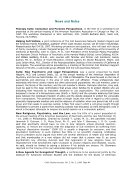
News and Notes
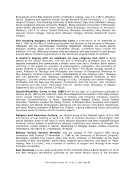
Therapy Cults: Consumer and Forensic Perspectives, is the title of a workshop to be
presented at the annual meeting of the American Psychiatric Association in Chicago on May 14,
1987. The workshop chairperson is John Hochman, M.D. (18425 Burbank Blvd., Suite 610,
Tarzana, CA 91356).
Helping Cult Victims, a joint conference of The Cult Awareness Network (Eastern Region) and
the American Family Foundation, publisher of the Cultic Studies Journal, will be held in Sturbridge,
Massachusetts April 24-26, 1987. Workshop presenters and speakers, who will deal with issues
of family counseling, include: Margaret Singer, Ph. D., Professor of Psychology at the University of
California at Berkeley John G. Clark, M. D., Vice President of the American Family Foundation
and Assistant Clinical Professor of Psychiatry at the Harvard Medical School Lorna Goldberg, M.S.W.
and William Goldberg, M.S.W., who counsel with families and former cult members Sandy
Andron, Ed. D., Director of Youth Education, Central Agency for Jewish Education, Miami and
Louis Jolyon West, M.D., Director of the Neuropsychiatric Institute of the University of California at
Los Angeles. The workshops will be preceded by a meeting of the Former Cult Members Support
Network (FOCUS), a nationwide group affiliated with the Cult Awareness Network.
Cults: New Psychiatric and Legal Perspectives was a panel presented by David
Halperin, M.D. and Leonard Dobin, J.D. at the annual meeting of the American Association of
Psychiatry and the Law held October 16 -19, 1986 in Philadelphia. The panel focused on the role of
psychiatrists and attorneys in the area of cults and cult affiliation. These professionals deal
essentially with three closely related but often adversarial populations: the cult member, past or
present the family of the member and the cult member‘s children. Particular attention, they said,
must be paid to the legal confrontation that arises when families try to protect children who are
dissipating their resources by imprudent donations to cult organizations. This confrontation was
discussed in terms of a Pennsylvania case (Smith v. Smith) and the complex balancing that takes
place between the individual‘s freedom of action and the statute designed to protect the vulnerable
from manipulators. The panelists discussed at length issues that arise in regard to child custody,
especially inappropriate medical care and the absence of visitation when one parent has left a cult
group and then seeks to exercise custody. A New York case in which a cult group sought through
intimidation to prevent a parent from asserting custody was discussed, as were therapeutic cults in
which a therapist attempts to impose his belief system on a vulnerable patient.
New Religions, Psychiatry, and the Law, was the title of a panel presented at
the annual meeting of the American Association of Psychiatry and the Law held October 16
-19, 1986 in Philadelphia. Chaired by Donald T. Lunde, M. D., the panelists included
Jeremiah S. Gutman, J. D., Mose Durst, Ph. D., and John T. Biermans, J. D. Dr. Lunde
said that psychiatry should have no role in new religions unless physical coercion,
captivity, or minors are involved, that the diagnosis of cult members as suffering from
―atypical dissociative disorder‖ (DSM III) is usually a diagnosis by exclusion, and that
psychiatric testimony in such matters has little or no scientific meaning. Unification
Church president Durst argued that there are several definitions of health and well-being
and that membership in a new religion did not mean that a person was ill, as some
psychiatrists say. Attorney Gutman said that opponents of new religions have not
respected the First Amendment right of people to choose religions and lifestyles. Courts,
he said, should be limited to asking a believer if his beliefs are sincere. Mr. Biermans
reported on the trauma of his own attempted deprogramming.
A New Agenda for Evangelical Thought, a conference to be sponsored jointly by the
Institute for Advanced Christian Studies and the Institute for the Study of American
News and Notes
Therapy Cults: Consumer and Forensic Perspectives, is the title of a workshop to be
presented at the annual meeting of the American Psychiatric Association in Chicago on May 14,
1987. The workshop chairperson is John Hochman, M.D. (18425 Burbank Blvd., Suite 610,
Tarzana, CA 91356).
Helping Cult Victims, a joint conference of The Cult Awareness Network (Eastern Region) and
the American Family Foundation, publisher of the Cultic Studies Journal, will be held in Sturbridge,
Massachusetts April 24-26, 1987. Workshop presenters and speakers, who will deal with issues
of family counseling, include: Margaret Singer, Ph. D., Professor of Psychology at the University of
California at Berkeley John G. Clark, M. D., Vice President of the American Family Foundation
and Assistant Clinical Professor of Psychiatry at the Harvard Medical School Lorna Goldberg, M.S.W.
and William Goldberg, M.S.W., who counsel with families and former cult members Sandy
Andron, Ed. D., Director of Youth Education, Central Agency for Jewish Education, Miami and
Louis Jolyon West, M.D., Director of the Neuropsychiatric Institute of the University of California at
Los Angeles. The workshops will be preceded by a meeting of the Former Cult Members Support
Network (FOCUS), a nationwide group affiliated with the Cult Awareness Network.
Cults: New Psychiatric and Legal Perspectives was a panel presented by David
Halperin, M.D. and Leonard Dobin, J.D. at the annual meeting of the American Association of
Psychiatry and the Law held October 16 -19, 1986 in Philadelphia. The panel focused on the role of
psychiatrists and attorneys in the area of cults and cult affiliation. These professionals deal
essentially with three closely related but often adversarial populations: the cult member, past or
present the family of the member and the cult member‘s children. Particular attention, they said,
must be paid to the legal confrontation that arises when families try to protect children who are
dissipating their resources by imprudent donations to cult organizations. This confrontation was
discussed in terms of a Pennsylvania case (Smith v. Smith) and the complex balancing that takes
place between the individual‘s freedom of action and the statute designed to protect the vulnerable
from manipulators. The panelists discussed at length issues that arise in regard to child custody,
especially inappropriate medical care and the absence of visitation when one parent has left a cult
group and then seeks to exercise custody. A New York case in which a cult group sought through
intimidation to prevent a parent from asserting custody was discussed, as were therapeutic cults in
which a therapist attempts to impose his belief system on a vulnerable patient.
New Religions, Psychiatry, and the Law, was the title of a panel presented at
the annual meeting of the American Association of Psychiatry and the Law held October 16
-19, 1986 in Philadelphia. Chaired by Donald T. Lunde, M. D., the panelists included
Jeremiah S. Gutman, J. D., Mose Durst, Ph. D., and John T. Biermans, J. D. Dr. Lunde
said that psychiatry should have no role in new religions unless physical coercion,
captivity, or minors are involved, that the diagnosis of cult members as suffering from
―atypical dissociative disorder‖ (DSM III) is usually a diagnosis by exclusion, and that
psychiatric testimony in such matters has little or no scientific meaning. Unification
Church president Durst argued that there are several definitions of health and well-being
and that membership in a new religion did not mean that a person was ill, as some
psychiatrists say. Attorney Gutman said that opponents of new religions have not
respected the First Amendment right of people to choose religions and lifestyles. Courts,
he said, should be limited to asking a believer if his beliefs are sincere. Mr. Biermans
reported on the trauma of his own attempted deprogramming.
A New Agenda for Evangelical Thought, a conference to be sponsored jointly by the
Institute for Advanced Christian Studies and the Institute for the Study of American