Cultic Studies Journal, Vol. 3, No. 2, 1986 Page 28
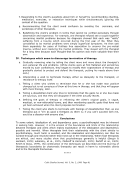
Furthermore, the substitute family of the cult retards, rather than facilitates, adolescent
development.
...the cult simply replaces the old family with a new one: fellow devotees are
considered brothers and sisters, and the cult leader is often referred to as
mother or father. The new family does not provide the adolescent with tools
to renegotiate family power structure ...Instead, it prescribes an
authoritarian environment in which the adolescent depends on the leader in a
manner similar to that of a small child‖ (Ross, 1984, p. 26).
Published parental reactions illustrate the results of the survey in more specific terms.
Warren Adler, an author, was in England when his wife called to say that their son had
become involved with Rev. Sun Myung Moon‘s Unification Church. A friend had invited the
young man to dinner and then to a weekend at Booneville, the communal farm. He
remained at the farm for two weeks before letting anyone know where he was. Warren
Adler recalls his reaction:
The Moonies? I was groggy. I dimly saw Moon‘s pudgy face as it appeared in
posters pasted up all over Washington, D.C., where we lived. I thought of
stories of lost children, kidnapping, a bizarre cult, empty smiles. Was it Moon
who said that God had put Nixon in the White House? Moon was something
that happened to other people (1978, p. 23).
A quite different initial reaction occurred in the Hershell family. Their daughter was an
idealist who had been with them in Haiti to help provide eye care in a clinic there. In the
spring of her first year in college, she met some other idealists and shortly thereafter moved
to the Unification Center to live with her new friends. She wrote her parents a long letter
expressing her love for everyone and faith that the move was going to help her become a
better person.
Our first impulse was to ignore the letter, but after rereading it, certain things
did not ring clear ...We thought that her intelligence would help her realize
her mistakes and she would get over it. But the more we read the letter, the
more we became aware of a different flavor from her previous ones, but could
not pinpoint the reasons. Too, we had not heard of a Unification Center, and
after investigation, realized it was part of the Unification Church, of which we
knew nothing (Hershell &Hershell. 1981, p. 132).
A third parent to write about cult involvement from his unique perspective was Steve Allen,
the multi-talented entertainer and author. In 1971, he received a letter from his son Brian
saying that he had joined the Church of Armageddon (also known as The Love Family).
To all of us who loved Brian ...the letter came as a bombshell. We were hurt
and stunned ...We did not know what to think. Questions flooded our minds.
Who was (the leader] Love Israel? What was the Church of Armageddon?
What experience had led Brian to such a dramatic and unexpected decision?
Most of all, why? Why --especially in light of the love we knew he felt for us
all, stated twice in the letter --why had he chosen to tam his back on us, his
family, his old friends in Los Angeles and, in a sense, the entire outside
world? (Allen, 1982, p. 4).
In addition to seeking a rational explanation for seemingly irrational behavior, Allen wrote
that he neither could nor would intrude on his son‘s privacy. ―He was an adult. He had a
right to live his own life. So we hoped for the best. And worried. And wondered. I knew one
thing: I did not want to lose my son‖ (Allen, 1982, p. 4).
The Adlers, too, had asked, ―Why?‖ They concluded that they had been too indifferent to
Furthermore, the substitute family of the cult retards, rather than facilitates, adolescent
development.
...the cult simply replaces the old family with a new one: fellow devotees are
considered brothers and sisters, and the cult leader is often referred to as
mother or father. The new family does not provide the adolescent with tools
to renegotiate family power structure ...Instead, it prescribes an
authoritarian environment in which the adolescent depends on the leader in a
manner similar to that of a small child‖ (Ross, 1984, p. 26).
Published parental reactions illustrate the results of the survey in more specific terms.
Warren Adler, an author, was in England when his wife called to say that their son had
become involved with Rev. Sun Myung Moon‘s Unification Church. A friend had invited the
young man to dinner and then to a weekend at Booneville, the communal farm. He
remained at the farm for two weeks before letting anyone know where he was. Warren
Adler recalls his reaction:
The Moonies? I was groggy. I dimly saw Moon‘s pudgy face as it appeared in
posters pasted up all over Washington, D.C., where we lived. I thought of
stories of lost children, kidnapping, a bizarre cult, empty smiles. Was it Moon
who said that God had put Nixon in the White House? Moon was something
that happened to other people (1978, p. 23).
A quite different initial reaction occurred in the Hershell family. Their daughter was an
idealist who had been with them in Haiti to help provide eye care in a clinic there. In the
spring of her first year in college, she met some other idealists and shortly thereafter moved
to the Unification Center to live with her new friends. She wrote her parents a long letter
expressing her love for everyone and faith that the move was going to help her become a
better person.
Our first impulse was to ignore the letter, but after rereading it, certain things
did not ring clear ...We thought that her intelligence would help her realize
her mistakes and she would get over it. But the more we read the letter, the
more we became aware of a different flavor from her previous ones, but could
not pinpoint the reasons. Too, we had not heard of a Unification Center, and
after investigation, realized it was part of the Unification Church, of which we
knew nothing (Hershell &Hershell. 1981, p. 132).
A third parent to write about cult involvement from his unique perspective was Steve Allen,
the multi-talented entertainer and author. In 1971, he received a letter from his son Brian
saying that he had joined the Church of Armageddon (also known as The Love Family).
To all of us who loved Brian ...the letter came as a bombshell. We were hurt
and stunned ...We did not know what to think. Questions flooded our minds.
Who was (the leader] Love Israel? What was the Church of Armageddon?
What experience had led Brian to such a dramatic and unexpected decision?
Most of all, why? Why --especially in light of the love we knew he felt for us
all, stated twice in the letter --why had he chosen to tam his back on us, his
family, his old friends in Los Angeles and, in a sense, the entire outside
world? (Allen, 1982, p. 4).
In addition to seeking a rational explanation for seemingly irrational behavior, Allen wrote
that he neither could nor would intrude on his son‘s privacy. ―He was an adult. He had a
right to live his own life. So we hoped for the best. And worried. And wondered. I knew one
thing: I did not want to lose my son‖ (Allen, 1982, p. 4).
The Adlers, too, had asked, ―Why?‖ They concluded that they had been too indifferent to