Cultic Studies Journal, Vol. 3, No. 2, 1986 Page 42
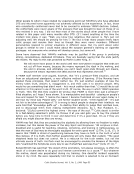
told not only that we could receive answers directly, but that it wasn‘t necessary to say, ―If
it be thy will,‖ because ―God doesn‘t want to be vague we can know God‘s will.‖ This
spiritual direction was often in the form of a scripture verse that popped into the praying
person‘s mind. This was called ―getting scripture.‖ (Step 8: ―Always have your Bible with
you should God want to give you direction or confirmation from it‖) For example, if one was
debating whether to go to town or to the beach, one‘s recollection of the verse from
Ecclesiastes (II: 1), ―Cast your bread upon the waters, for after many days you win find it
again,‖ would indicate, by virtue of the word ―waters,‖ that God wanted you to spend a day
at the ocean. YWAM cautioned that this technique was one to be learned and that as
humans we were fallible. Our teachers admitted having made silly mistakes when they first
learned how to intercess, and we weren‘t expected to hear clearly until we had lots of
practice. In any case, these notions about how to direct my life and activities through God‘s
intercession were to influence greatly what I did and did not do. They also paved the way
for my acceptance of another basic cultic element in the YWAM training -rigid, charismatic,
authoritarian leadership.
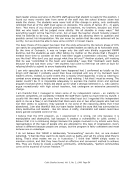
One day my flock group leader Sally asked me to meet with her later that afternoon in her
apartment, and when I arrived I found that Sylvia, the school secretary for whom I worked,
was also there. ―I must be in big trouble,‖ I added. Seeing Sally‘s face, I shut up and sat
down. After a few moments of silence, Sally proceeded to tell me that I would no longer be
working in a secretarial position but would instead be a member of the dish crew. I sat
there silently, staring at the window and listening to them tell me that God had ordained
this. Sally had ―received a word from the Lord‖ during Intercession. ―You have not been
spending enough time with the other students, and working in the office has further isolated
you.‖ I made several attempts to reply but failed. As I studied the curtains, my thoughts
turned to God and I found that I had much to say to Him. ―Is this true? Why didn‘t you tell
me? What is going on?‖ God didn‘t answer.
Bracing myself, I left the refuge of looking out the window and faced the two women who
professed to know God‘s will for me. I questioned them intensely, seeking to understand
their reasons. I knew that they were not aware of the time I had spent with my roommates
or that working in the office had given me more time with some of the staff. Refusing to
take responsibility for the decision, they repeatedly ascribed it to God, adding that it was
with God and the virtues of Intercession that their authority lay. Lacking personal proof of
God‘s will for me in this matter, I acquiesced. As I left the room, my confidence in my ability
to hear God had been undermined by their very confidence in being able to do so.
The daily work in many cults is demeaning and utilizes little of a member‟s intelligence or
education.9
It did not really bother me, however, that I would be doing dishes instead of office work. I
also realize that it is sometimes necessary for those in charge to make executive decisions
without being obliged to explain their reasons. But my nature is such that I often ask for
explanations. Perhaps I shouldn‘t have in this instance. Ordinarily, if a person informed me
that God told them that He wanted me to do something, I would probably take the advice
with a grain of salt and not feel threatened by it. I‘m not sure why I didn‘t approach the
situation in question in this manner. There are subtleties in conversations and atmosphere
that I am not able to express adequately. Implications are often felt that one cannot later
prove were there. I do know that I was not the only one who felt so intimidated by the
decisions made during Intercession. But eventually, our leader‘s words of devotion
developed almost as much authority, to me and others, as Scripture. Such was the power
implied by those nine steps of Intercession.
The incident which led to my job change at King‘s, and similar incidents, began to alienate
me from God. What upset me most was that the leaders claimed that God thought I was not
told not only that we could receive answers directly, but that it wasn‘t necessary to say, ―If
it be thy will,‖ because ―God doesn‘t want to be vague we can know God‘s will.‖ This
spiritual direction was often in the form of a scripture verse that popped into the praying
person‘s mind. This was called ―getting scripture.‖ (Step 8: ―Always have your Bible with
you should God want to give you direction or confirmation from it‖) For example, if one was
debating whether to go to town or to the beach, one‘s recollection of the verse from
Ecclesiastes (II: 1), ―Cast your bread upon the waters, for after many days you win find it
again,‖ would indicate, by virtue of the word ―waters,‖ that God wanted you to spend a day
at the ocean. YWAM cautioned that this technique was one to be learned and that as
humans we were fallible. Our teachers admitted having made silly mistakes when they first
learned how to intercess, and we weren‘t expected to hear clearly until we had lots of
practice. In any case, these notions about how to direct my life and activities through God‘s
intercession were to influence greatly what I did and did not do. They also paved the way
for my acceptance of another basic cultic element in the YWAM training -rigid, charismatic,
authoritarian leadership.
One day my flock group leader Sally asked me to meet with her later that afternoon in her
apartment, and when I arrived I found that Sylvia, the school secretary for whom I worked,
was also there. ―I must be in big trouble,‖ I added. Seeing Sally‘s face, I shut up and sat
down. After a few moments of silence, Sally proceeded to tell me that I would no longer be
working in a secretarial position but would instead be a member of the dish crew. I sat
there silently, staring at the window and listening to them tell me that God had ordained
this. Sally had ―received a word from the Lord‖ during Intercession. ―You have not been
spending enough time with the other students, and working in the office has further isolated
you.‖ I made several attempts to reply but failed. As I studied the curtains, my thoughts
turned to God and I found that I had much to say to Him. ―Is this true? Why didn‘t you tell
me? What is going on?‖ God didn‘t answer.
Bracing myself, I left the refuge of looking out the window and faced the two women who
professed to know God‘s will for me. I questioned them intensely, seeking to understand
their reasons. I knew that they were not aware of the time I had spent with my roommates
or that working in the office had given me more time with some of the staff. Refusing to
take responsibility for the decision, they repeatedly ascribed it to God, adding that it was
with God and the virtues of Intercession that their authority lay. Lacking personal proof of
God‘s will for me in this matter, I acquiesced. As I left the room, my confidence in my ability
to hear God had been undermined by their very confidence in being able to do so.
The daily work in many cults is demeaning and utilizes little of a member‟s intelligence or
education.9
It did not really bother me, however, that I would be doing dishes instead of office work. I
also realize that it is sometimes necessary for those in charge to make executive decisions
without being obliged to explain their reasons. But my nature is such that I often ask for
explanations. Perhaps I shouldn‘t have in this instance. Ordinarily, if a person informed me
that God told them that He wanted me to do something, I would probably take the advice
with a grain of salt and not feel threatened by it. I‘m not sure why I didn‘t approach the
situation in question in this manner. There are subtleties in conversations and atmosphere
that I am not able to express adequately. Implications are often felt that one cannot later
prove were there. I do know that I was not the only one who felt so intimidated by the
decisions made during Intercession. But eventually, our leader‘s words of devotion
developed almost as much authority, to me and others, as Scripture. Such was the power
implied by those nine steps of Intercession.
The incident which led to my job change at King‘s, and similar incidents, began to alienate
me from God. What upset me most was that the leaders claimed that God thought I was not