Cultic Studies Journal, Vol. 3, No. 2, 1986 Page 57
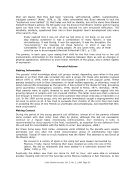
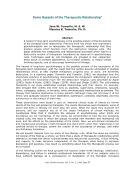
Some Hazards of the Therapeutic Relationship*
Jane W. Temerlin, M. S. W.
Maurice K. Temerlin, Ph. D.
Abstract
A hazard of long-term psychotherapy is the possible erosion of the boundaries
of the therapist-client relationship. Previous work has shown how charismatic
psychotherapists can so manipulate the therapeutic relationship that they
produce groups which function much like destructive religious cults. This
paper describes the intrapsychic and interpersonal processes which lead to a
destructive erosion of therapeutic boundaries as observed in psychotherapy
cults. Techniques used by cult therapists are grouped in four categories:
those which a) increase dependence, b) increase isolation, c) reduce critical
thinking capacity, and d) discourage termination of therapy.
One hazard of long-term psychotherapy is the possible erosion of the boundaries of the
therapist-client relationship, with the result that the parties become enmeshed in multiple
relationships which, at best impede therapeutic progress and, at worst, are extremely
destructive. In a previous paper (Temerlin and Temerlin, 1982), we described how five
charismatic teachers of psychotherapy manipulated the therapeutic relationship to produce
cults, which then functioned much like the destructive religious cults described by Appel
(1983), Rudin &Rudin (1980), Singer (1979), West and Singer (1980). The cult-creating
therapists in our study established multiple relationships with their clients. For example,
they brought their clients into their lives as students, supervisers, employees, spouses,
lovers, colleagues, debtors, or servants, while simultaneously treating them as patients. The
therapy then became destructive to those patients (although many did not know it at the
time), who gradually became more dependent, submissive, confused, depressed, and less
autonomous in the conduct of their lives.
These observations were based in part on intensive clinical study of twenty-six former
clients of the five cult-producing therapists. The clients themselves were therapists, some of
whom had been in therapy for more than ten years. While the cases they illustrate are
extreme, and our research has all of the classic limitations of clinical methods, we
nonetheless think that it illustrates the dangers of psychotherapy when limits and
boundaries are not maintained. In the study, we concentrated on how the five therapists
created cults, the ways in which the groups recruited new members and maintained old
ones, and the effects on the personalities of the clients. Now, we will discuss intrapsychic
and interpersonal processes in both therapist and client which, when their relationship is not
confined strictly to therapy, permit the erosion of the boundaries of therapy, and make
psychotherapy hazardous.
We will present material from our study of five therapy cults. While the cases are certainly
not typical of the field as a whole, we think that a study of therapeutic relationships which
seemed to increase the clients‘ submissiveness and reduce their autonomy, critical thinking,
and capacity to make decisions independent of the therapist, while failing to decrease
depression and paranoia, may teach us something about how the therapeutic process can
be corrupted.
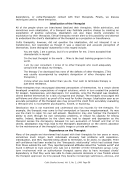
In the following outline we have grouped the hazards under three headings: idealization,
dependency, and failure to maintain professional boundaries. All of our subjects seem to
have suffered damage as a consequence of idealization of the therapis4 increased
Some Hazards of the Therapeutic Relationship*
Jane W. Temerlin, M. S. W.
Maurice K. Temerlin, Ph. D.
Abstract
A hazard of long-term psychotherapy is the possible erosion of the boundaries
of the therapist-client relationship. Previous work has shown how charismatic
psychotherapists can so manipulate the therapeutic relationship that they
produce groups which function much like destructive religious cults. This
paper describes the intrapsychic and interpersonal processes which lead to a
destructive erosion of therapeutic boundaries as observed in psychotherapy
cults. Techniques used by cult therapists are grouped in four categories:
those which a) increase dependence, b) increase isolation, c) reduce critical
thinking capacity, and d) discourage termination of therapy.
One hazard of long-term psychotherapy is the possible erosion of the boundaries of the
therapist-client relationship, with the result that the parties become enmeshed in multiple
relationships which, at best impede therapeutic progress and, at worst, are extremely
destructive. In a previous paper (Temerlin and Temerlin, 1982), we described how five
charismatic teachers of psychotherapy manipulated the therapeutic relationship to produce
cults, which then functioned much like the destructive religious cults described by Appel
(1983), Rudin &Rudin (1980), Singer (1979), West and Singer (1980). The cult-creating
therapists in our study established multiple relationships with their clients. For example,
they brought their clients into their lives as students, supervisers, employees, spouses,
lovers, colleagues, debtors, or servants, while simultaneously treating them as patients. The
therapy then became destructive to those patients (although many did not know it at the
time), who gradually became more dependent, submissive, confused, depressed, and less
autonomous in the conduct of their lives.
These observations were based in part on intensive clinical study of twenty-six former
clients of the five cult-producing therapists. The clients themselves were therapists, some of
whom had been in therapy for more than ten years. While the cases they illustrate are
extreme, and our research has all of the classic limitations of clinical methods, we
nonetheless think that it illustrates the dangers of psychotherapy when limits and
boundaries are not maintained. In the study, we concentrated on how the five therapists
created cults, the ways in which the groups recruited new members and maintained old
ones, and the effects on the personalities of the clients. Now, we will discuss intrapsychic
and interpersonal processes in both therapist and client which, when their relationship is not
confined strictly to therapy, permit the erosion of the boundaries of therapy, and make
psychotherapy hazardous.
We will present material from our study of five therapy cults. While the cases are certainly
not typical of the field as a whole, we think that a study of therapeutic relationships which
seemed to increase the clients‘ submissiveness and reduce their autonomy, critical thinking,
and capacity to make decisions independent of the therapist, while failing to decrease
depression and paranoia, may teach us something about how the therapeutic process can
be corrupted.
In the following outline we have grouped the hazards under three headings: idealization,
dependency, and failure to maintain professional boundaries. All of our subjects seem to
have suffered damage as a consequence of idealization of the therapis4 increased