Cultic Studies Journal, Vol. 3, No. 2, 1986 Page 58
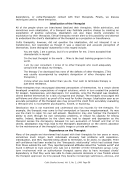
dependency, or extra-therapeutic contact with their therapists. Finally, we discuss
techniques used by these therapists.
Idealization of the Therapist
All of the people whom we interviewed idealized their therapists. While admiration, and
sometimes even idealization, of a therapist may facilitate positive change by creating an
expectation of positive outcomes, idealization can also make clients vulnerable to
exploitation by their therapists. Ethical therapists remain alert to this possibility and attempt
to understand the client‘s idealization of the therapist as a projection or transference.
Cultic therapists, however, did not question the idealization, did not interpret it as a
transference, but responded as though it was a deserved and accurate perception of
themselves. Some therapists‘ statements in this regard include:
You are right I am a genius, but it‘s no problem for me. I have accepted that
characteristic in myself.
I‘m the best therapist in the world ...Mine is the best training program in the
world.
I am my own consultant. I know of no other therapist who could adequately
consult with me about my therapy.
The therapy I‘ve developed has none of the defects of other therapies. [This
was usually accompanied by emphatic denigration of other therapies and
therapists.]
I know what you need better than you do. Your wish to terminate therapy is
just blind resistance.
These therapists thus encouraged distorted perceptions of themselves. As a result clients
developed unrealistic expectations of magical solutions, which in turn created the potential
for despair, hopelessness, and depression. For example, once the therapist was idealized,
clients blamed themselves for a lack of progress and change. The therapist encouraged this
self-blame and often cited it as proof of the need for further therapy. Idealization seen as an
accurate perception of the therapist also may prevent the client from accurately evaluating
a therapist who is incompetent psychopathic, hostile, or exploiting.
Idealization that is not examined and understood also has hazards for the therapist. For
example, the therapist may come to feel omnipotent or become megalomaniacal. He may
use the client to repair his own self-esteem. Idealization may also hamper the therapist‘s
ability to work through his own narcissistic problems, or reduce his capacity for testing
reality. Indeed, idealization by the client may lead to despair and depression as the
therapist senses the discrepancy between his own evaluation of himself and that of his
clients. Idealization may thus lead to the therapist‘s dependence on the client‘s adoration
for the maintenance of the therapist‘s public image or private self esteem.
Dependence on the Therapist
Many of the people we interviewed had stayed with their therapists for ten years or more
sometimes much longer. Such individuals obviously had problems with separation-
individuation, and they reported being afraid to terminate, to be alone, to separate. Their
self-confidence had been eroded by the ―therapeutic relationship‖ which had isolated them
from those outside the cult. They reported paranoid attitudes about the ―outside world‖ and
found it difficult to trust anyone who was not a member of their therapeutic group. Long-
term involvement with an authoritarian therapist seems also to have increased clients‘
dependency in that they were less able to make personal decisions or new friends unless
the therapist approved. As time passed they became increasingly submissive, anxious, and
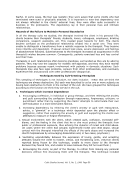
dependency, or extra-therapeutic contact with their therapists. Finally, we discuss
techniques used by these therapists.
Idealization of the Therapist
All of the people whom we interviewed idealized their therapists. While admiration, and
sometimes even idealization, of a therapist may facilitate positive change by creating an
expectation of positive outcomes, idealization can also make clients vulnerable to
exploitation by their therapists. Ethical therapists remain alert to this possibility and attempt
to understand the client‘s idealization of the therapist as a projection or transference.
Cultic therapists, however, did not question the idealization, did not interpret it as a
transference, but responded as though it was a deserved and accurate perception of
themselves. Some therapists‘ statements in this regard include:
You are right I am a genius, but it‘s no problem for me. I have accepted that
characteristic in myself.
I‘m the best therapist in the world ...Mine is the best training program in the
world.
I am my own consultant. I know of no other therapist who could adequately
consult with me about my therapy.
The therapy I‘ve developed has none of the defects of other therapies. [This
was usually accompanied by emphatic denigration of other therapies and
therapists.]
I know what you need better than you do. Your wish to terminate therapy is
just blind resistance.
These therapists thus encouraged distorted perceptions of themselves. As a result clients
developed unrealistic expectations of magical solutions, which in turn created the potential
for despair, hopelessness, and depression. For example, once the therapist was idealized,
clients blamed themselves for a lack of progress and change. The therapist encouraged this
self-blame and often cited it as proof of the need for further therapy. Idealization seen as an
accurate perception of the therapist also may prevent the client from accurately evaluating
a therapist who is incompetent psychopathic, hostile, or exploiting.
Idealization that is not examined and understood also has hazards for the therapist. For
example, the therapist may come to feel omnipotent or become megalomaniacal. He may
use the client to repair his own self-esteem. Idealization may also hamper the therapist‘s
ability to work through his own narcissistic problems, or reduce his capacity for testing
reality. Indeed, idealization by the client may lead to despair and depression as the
therapist senses the discrepancy between his own evaluation of himself and that of his
clients. Idealization may thus lead to the therapist‘s dependence on the client‘s adoration
for the maintenance of the therapist‘s public image or private self esteem.
Dependence on the Therapist
Many of the people we interviewed had stayed with their therapists for ten years or more
sometimes much longer. Such individuals obviously had problems with separation-
individuation, and they reported being afraid to terminate, to be alone, to separate. Their
self-confidence had been eroded by the ―therapeutic relationship‖ which had isolated them
from those outside the cult. They reported paranoid attitudes about the ―outside world‖ and
found it difficult to trust anyone who was not a member of their therapeutic group. Long-
term involvement with an authoritarian therapist seems also to have increased clients‘
dependency in that they were less able to make personal decisions or new friends unless
the therapist approved. As time passed they became increasingly submissive, anxious, and