Cultic Studies Journal, Vol. 3, No. 2, 1986 Page 5
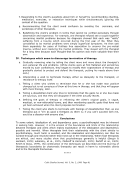
values, which I have imbibed, examined, and accepted. I believe that this culture has
considerable worth, in large part because it is so tolerant of unusual and intolerant groups,
including cults. Consequently, I don‘t have to assume a ―see-no-evil‖ posture in order to
tolerate and respect individuals belonging to groups I criticize.
What are the values and assumptions which I use to evaluate cults and which I believe are
essential to the maintenance of American social order?
The first is essentially a metaphysical assumption: ―We hold these truths to be self-evident
that all men are created equal that they are endowed by their Creator with certain
unalienable rights that among these are life, liberty, and the pursuit of happiness.‖
American metaphysics is simple and straightforward, a distillation of the traditions on which
it is based. It had to be so because science and Enlightenment rationality had called into
question the metaphysical beliefs of the Judaeo-Christian tradition. Some of the Founding
Fathers probably believed in angels and the virgin birth of Christ. But they realized that a
country of Quakers, Presbyterians, Catholics, and dozens of other religious groups could not
support a social order based upon such debatable metaphysical details, especially given the
core value upon which the new republic was based: individual freedom.
Freedom has many meanings. For some, freedom is a moral concept ―Liberty can consist
only in the power of doing what we ought to will‖ (Montesquieu, cited in Oppenheim, 1968,
p. 558). ―I call him free who is led solely by reason‖ (Spinoza, cited in Oppenheim 1968, p.
558). For others, e.g., advocates of the welfare state, freedom consists of the satisfaction of
basic needs. In one philosophical sense, freedom refers to autonomous actions, ―that is,
determined exclusively by the actors‘ own decisions and not by the influence of others‖
(Oppenheim, 1968, p. 557). Traditionally, however, freedom in American culture refers to
an absence of obvious external control over the individual. License plates in the state of
New Hampshire, for example, carry a phrase that seems more suited to the nineteenth
century than today: ―Live Free or Die.‖ This motto clearly doesn‘t imply: ―live by reason,‖ or
―do that which is moral,‖ or ―make sure you have enough to eat,‖ or ―watch out for hidden
influencers.‖ Rather, it implies: ―I‘m going to live my life my way and nobody is going to
stop me.‖ It is no wonder, then, that Americans could not achieve a cultural consensus on
time points of metaphysics. They had trouble enough abiding by the agreement to respect
one another‘s life, liberty, and pursuit of happiness.
Despite this frontier notion of freedom and the lean metaphysical system it demanded,
Americans were and continue to be basically civilized. They are civilized because when push
comes to shove they are tied to their moral heritage, best symbolized perhaps by the small-
town church steeple. A robust Judaeo- Christian tradition, transmitted through a variety of
sects, like variations on a musical theme, has tempered the rough-and-tumble freedom that
a virtually unpopulated continent once offered. This tradition civilized freedom by affirming
the importance of morality, community and family loyalty, and respect for the cultural
heritage. Today, such words unfortunately seem quaint Nevertheless, the sense of
connectedness they imply lives in weakened form in concepts such as ―wholeness,‖
―psychological integration,‖ or ―getting it together.‖ Man should be free. But he should know
and respect his connectedness to the world into which he was born.
In achieving this connectedness, the individual strikes a balance between personal freedom
and the world. This is the essence of the adaptation which I noted earlier. And, I believe, it
is the essence of the Judaeo-Christian view of man‘s relationship to the world. Unlike the
Gnostics (and many contemporary cults), who see the world as a lower plane from which to
escape (―Gnosticism,‖ 1910, p. 153), the Judaeo-Christian tradition sees the world as God‘s
gift, which men should freely love, respect, and care for. Appreciation, gratitude, humility,
and service are fundamental Judaeo-Christian values.
In order to achieve a freely instigated harmony with the world a person must be able to
values, which I have imbibed, examined, and accepted. I believe that this culture has
considerable worth, in large part because it is so tolerant of unusual and intolerant groups,
including cults. Consequently, I don‘t have to assume a ―see-no-evil‖ posture in order to
tolerate and respect individuals belonging to groups I criticize.
What are the values and assumptions which I use to evaluate cults and which I believe are
essential to the maintenance of American social order?
The first is essentially a metaphysical assumption: ―We hold these truths to be self-evident
that all men are created equal that they are endowed by their Creator with certain
unalienable rights that among these are life, liberty, and the pursuit of happiness.‖
American metaphysics is simple and straightforward, a distillation of the traditions on which
it is based. It had to be so because science and Enlightenment rationality had called into
question the metaphysical beliefs of the Judaeo-Christian tradition. Some of the Founding
Fathers probably believed in angels and the virgin birth of Christ. But they realized that a
country of Quakers, Presbyterians, Catholics, and dozens of other religious groups could not
support a social order based upon such debatable metaphysical details, especially given the
core value upon which the new republic was based: individual freedom.
Freedom has many meanings. For some, freedom is a moral concept ―Liberty can consist
only in the power of doing what we ought to will‖ (Montesquieu, cited in Oppenheim, 1968,
p. 558). ―I call him free who is led solely by reason‖ (Spinoza, cited in Oppenheim 1968, p.
558). For others, e.g., advocates of the welfare state, freedom consists of the satisfaction of
basic needs. In one philosophical sense, freedom refers to autonomous actions, ―that is,
determined exclusively by the actors‘ own decisions and not by the influence of others‖
(Oppenheim, 1968, p. 557). Traditionally, however, freedom in American culture refers to
an absence of obvious external control over the individual. License plates in the state of
New Hampshire, for example, carry a phrase that seems more suited to the nineteenth
century than today: ―Live Free or Die.‖ This motto clearly doesn‘t imply: ―live by reason,‖ or
―do that which is moral,‖ or ―make sure you have enough to eat,‖ or ―watch out for hidden
influencers.‖ Rather, it implies: ―I‘m going to live my life my way and nobody is going to
stop me.‖ It is no wonder, then, that Americans could not achieve a cultural consensus on
time points of metaphysics. They had trouble enough abiding by the agreement to respect
one another‘s life, liberty, and pursuit of happiness.
Despite this frontier notion of freedom and the lean metaphysical system it demanded,
Americans were and continue to be basically civilized. They are civilized because when push
comes to shove they are tied to their moral heritage, best symbolized perhaps by the small-
town church steeple. A robust Judaeo- Christian tradition, transmitted through a variety of
sects, like variations on a musical theme, has tempered the rough-and-tumble freedom that
a virtually unpopulated continent once offered. This tradition civilized freedom by affirming
the importance of morality, community and family loyalty, and respect for the cultural
heritage. Today, such words unfortunately seem quaint Nevertheless, the sense of
connectedness they imply lives in weakened form in concepts such as ―wholeness,‖
―psychological integration,‖ or ―getting it together.‖ Man should be free. But he should know
and respect his connectedness to the world into which he was born.
In achieving this connectedness, the individual strikes a balance between personal freedom
and the world. This is the essence of the adaptation which I noted earlier. And, I believe, it
is the essence of the Judaeo-Christian view of man‘s relationship to the world. Unlike the
Gnostics (and many contemporary cults), who see the world as a lower plane from which to
escape (―Gnosticism,‖ 1910, p. 153), the Judaeo-Christian tradition sees the world as God‘s
gift, which men should freely love, respect, and care for. Appreciation, gratitude, humility,
and service are fundamental Judaeo-Christian values.
In order to achieve a freely instigated harmony with the world a person must be able to