Cultic Studies Journal, Vol. 3, No. 2, 1986 Page 61
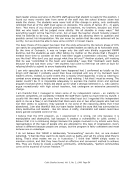
f. Responding to the client‘s questions about him or herself by recommending chanting,
meditation, exercises, or relaxation techniques while simultaneously ignoring the
content of the question.
g. Recommending that the client avoid confusion by avoiding the seminars, and
workshops of other therapists.
h. Redefining the client‘s problem in terms that cannot be verified personally through
observation and experience. For example, one therapist refused see a couple together
concerning marital problems because his diagnosis showed that each was ―really‖
suffering from a trauma which occurred during the first year of life. What they
considered to be marital problems were simply superficial symptoms. He then saw
them separately for years of fruitless free association to uncover the pre-verbal
trauma, without ever resolving the marital problems. They stayed with the therapist
for a long time because each thought that his opinion was more valuable than their
own.
IV. Techniques which seem to discourage termination of therapy
a. Gradually reversing roles by telling the client more and more about the therapist‘s
own personal life and problems. (While clients were at first flattered and sometimes
moved by such confidences, they began to modify their expectations of therapy and
gradually started to protect and defend the therapist, putting his needs above their
own.)
b. Interpreting a wish to terminate therapy either as disloyalty to the therapist, or
resistance to therapy itself.
c. Telling a client who wishes to terminate that he or she has made man positive
changes but is not conscious of them at this time in therapy, and that they will appear
with more therapy, later.
d. Telling a dissatisfied client who tries to terminate that the gains he or she has made
are spurious, and that they will disappear if the client actually leaves.
e. Defining the goals of therapy or reframing the client‘s original goals, it vague,
mystical, or non-referential terms, and then mentioning specific goals that have not
yet been achieved when the client proposes termination.
f. Telling the client who starts to terminate with feelings of dissatisfaction that, as one
therapist put it ―I‘m as good a therapist as there is if you can‘t succeed with me,
you‘d be a disaster with anyone else.‖
Conclusions
To some extent, idealization of, and dependence upon, a psychotherapist may be inherent
in seeking help. However, it is the erosion of the boundaries and limits of the relationship
between therapist and client which makes exploitation of the idealization and dependency
possible and harmful. When therapists limit their relationship with the client strictly to
psychotherapy, much harm is avoided, and the idealization and dependency can then be
worked through and resolved rather than lived out in the relationship. While most therapists
are ethical, and many studies show that psychotherapy generally is helpful (Bergin &
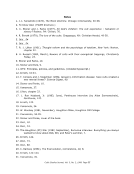
Lambert, 1978 Luborsky, et al., 1975, Meltzoff &Kornreich, 1970 Parloff et al., 1978
Smith &Glass, 1977), the combination of the techniques we described and the blurring of
therapeutic boundaries by charismatic therapists can result in harm to vulnerable clients
and to the therapists themselves.
*****
f. Responding to the client‘s questions about him or herself by recommending chanting,
meditation, exercises, or relaxation techniques while simultaneously ignoring the
content of the question.
g. Recommending that the client avoid confusion by avoiding the seminars, and
workshops of other therapists.
h. Redefining the client‘s problem in terms that cannot be verified personally through
observation and experience. For example, one therapist refused see a couple together
concerning marital problems because his diagnosis showed that each was ―really‖
suffering from a trauma which occurred during the first year of life. What they
considered to be marital problems were simply superficial symptoms. He then saw
them separately for years of fruitless free association to uncover the pre-verbal
trauma, without ever resolving the marital problems. They stayed with the therapist
for a long time because each thought that his opinion was more valuable than their
own.
IV. Techniques which seem to discourage termination of therapy
a. Gradually reversing roles by telling the client more and more about the therapist‘s
own personal life and problems. (While clients were at first flattered and sometimes
moved by such confidences, they began to modify their expectations of therapy and
gradually started to protect and defend the therapist, putting his needs above their
own.)
b. Interpreting a wish to terminate therapy either as disloyalty to the therapist, or
resistance to therapy itself.
c. Telling a client who wishes to terminate that he or she has made man positive
changes but is not conscious of them at this time in therapy, and that they will appear
with more therapy, later.
d. Telling a dissatisfied client who tries to terminate that the gains he or she has made
are spurious, and that they will disappear if the client actually leaves.
e. Defining the goals of therapy or reframing the client‘s original goals, it vague,
mystical, or non-referential terms, and then mentioning specific goals that have not
yet been achieved when the client proposes termination.
f. Telling the client who starts to terminate with feelings of dissatisfaction that, as one
therapist put it ―I‘m as good a therapist as there is if you can‘t succeed with me,
you‘d be a disaster with anyone else.‖
Conclusions
To some extent, idealization of, and dependence upon, a psychotherapist may be inherent
in seeking help. However, it is the erosion of the boundaries and limits of the relationship
between therapist and client which makes exploitation of the idealization and dependency
possible and harmful. When therapists limit their relationship with the client strictly to
psychotherapy, much harm is avoided, and the idealization and dependency can then be
worked through and resolved rather than lived out in the relationship. While most therapists
are ethical, and many studies show that psychotherapy generally is helpful (Bergin &
Lambert, 1978 Luborsky, et al., 1975, Meltzoff &Kornreich, 1970 Parloff et al., 1978
Smith &Glass, 1977), the combination of the techniques we described and the blurring of
therapeutic boundaries by charismatic therapists can result in harm to vulnerable clients
and to the therapists themselves.
*****