Cultic Studies Journal, Vol. 3, No. 2, 1986 Page 13
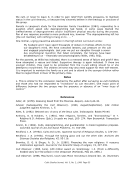
Cultism: A conference for scholars and policymakers. (1986). American Family Foundation
and Neuropsychiatric Institute, University of California at Los Angeles. (Reprinted in the
Cultic Studies Journal [1986], 3, 117-134.)
Emerging Trends. (1984, May). Many teens believe in astrology, 5.
Enroth, R. (1977). Youth, brainwashing, and the extremist cults. Grand Rapids: Zondervan.
Gnosticism (1910). Encyclopedia Britannica.
Halperin, D. (1983). Gnosticism in high tech: Science fiction and cult formation. In David
Halperin (Ed.), Religion, sect, and cult, Littleton, M-A: John Wright, 257-266.
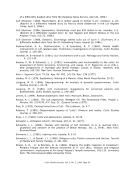
Hunt, M. (1982). The universe within: A new science explores the human mind. New York:
Simon and Schuster.
Oppenheim, F. (1968). Freedom. International encyclopedia of the social sciences. New
York: MacMillan.
Rudin, AJ. and Rudin, M. (1980). Prison or paradise? The new religious cults. Philadelphia:
Fortress.
Rudin, M. (1979/80). The cult phenomenon: Fad or fact. New York Review of Law and Social
Change, 9, 17-32.
Singer, M. T. (1979, January). Coming out of the cults. Psychology Today, 72- 82.
Weber, V. (1983). Modem cults and Gnosticism: Some observations on religious and
totalitarian movements. In David Halperin (Ed.), Religion, sect, and cult, Littleton, MA:
John Wright, 31-44.
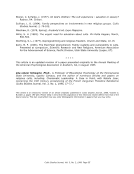
West, L. and Singer, M. (1980). Cults, quacks, and nonprofessional psychotherapies. In H.
Kaplan, A. Freedman, and B. Sadock (Eds.), Comprehensive textbook of psychiatry (3rd
ed.), Vol. 3, 3245-3258. Baltimore: Williams and Wilkins.
Williams, R. (1967). Culture and civilization. Encyclopedia of philosophy. New York:
MacMillan.
Zimbardo, P. and Hartley, C. (1985). Cults go to high school: A theoretical and empirical
analysis of the initial stage in the recruitment process. Cultic Studies Journal, 2, 91-147.
Michael D. Langone, Ph.D., is the Editor of the Cultic Studies Journal and Director of
Research and Education for the American Family Foundation. A licensed psychologist, Dr.
Langone has counseled more than 100 cultists and family members of cultists and has
published a number of articles on the subject. He is a member of the American
Psychological Association‟s Task Force on Deceptive and Indirect Techniques of persuasion
and Control.
This article is an electronic version of an article originally published in Cultic Studies Journal, 1986, Volume 3,
Number 2, pages 157-172. Please keep in mind that the pagination of this electronic reprint differs from that of the
bound volume. This fact could affect how you enter bibliographic information in papers that you may write.
Cultism: A conference for scholars and policymakers. (1986). American Family Foundation
and Neuropsychiatric Institute, University of California at Los Angeles. (Reprinted in the
Cultic Studies Journal [1986], 3, 117-134.)
Emerging Trends. (1984, May). Many teens believe in astrology, 5.
Enroth, R. (1977). Youth, brainwashing, and the extremist cults. Grand Rapids: Zondervan.
Gnosticism (1910). Encyclopedia Britannica.
Halperin, D. (1983). Gnosticism in high tech: Science fiction and cult formation. In David
Halperin (Ed.), Religion, sect, and cult, Littleton, M-A: John Wright, 257-266.
Hunt, M. (1982). The universe within: A new science explores the human mind. New York:
Simon and Schuster.
Oppenheim, F. (1968). Freedom. International encyclopedia of the social sciences. New
York: MacMillan.
Rudin, AJ. and Rudin, M. (1980). Prison or paradise? The new religious cults. Philadelphia:
Fortress.
Rudin, M. (1979/80). The cult phenomenon: Fad or fact. New York Review of Law and Social
Change, 9, 17-32.
Singer, M. T. (1979, January). Coming out of the cults. Psychology Today, 72- 82.
Weber, V. (1983). Modem cults and Gnosticism: Some observations on religious and
totalitarian movements. In David Halperin (Ed.), Religion, sect, and cult, Littleton, MA:
John Wright, 31-44.
West, L. and Singer, M. (1980). Cults, quacks, and nonprofessional psychotherapies. In H.
Kaplan, A. Freedman, and B. Sadock (Eds.), Comprehensive textbook of psychiatry (3rd
ed.), Vol. 3, 3245-3258. Baltimore: Williams and Wilkins.
Williams, R. (1967). Culture and civilization. Encyclopedia of philosophy. New York:
MacMillan.
Zimbardo, P. and Hartley, C. (1985). Cults go to high school: A theoretical and empirical
analysis of the initial stage in the recruitment process. Cultic Studies Journal, 2, 91-147.
Michael D. Langone, Ph.D., is the Editor of the Cultic Studies Journal and Director of
Research and Education for the American Family Foundation. A licensed psychologist, Dr.
Langone has counseled more than 100 cultists and family members of cultists and has
published a number of articles on the subject. He is a member of the American
Psychological Association‟s Task Force on Deceptive and Indirect Techniques of persuasion
and Control.
This article is an electronic version of an article originally published in Cultic Studies Journal, 1986, Volume 3,
Number 2, pages 157-172. Please keep in mind that the pagination of this electronic reprint differs from that of the
bound volume. This fact could affect how you enter bibliographic information in papers that you may write.