Cultic Studies Journal, Vol. 3, No. 2, 1986 Page 12
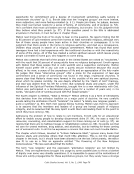
sophistry? In this regard, the challenge of monism is especially important Influenced more
by drug experiences and the implicit philosophical materialism of the secular culture than by
their religious faiths of birth, many sensitive young people find more satisfying explanations
of their adolescent, mystic-like experiences in eastern monism (especially the counterfeits
that are marketed so effectively) than in Judaeo-Christian dualism. Can Judaism and
Christianity find a place for and offer satisfying explanations of spiritual ―highs,‖ without
yielding to the Gnostic impulse within their own traditions, without becoming ―Hebrew‖ or
―Christian‖ cults, of which there is a growing number?
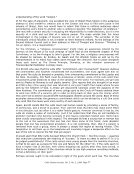
If religions, the law, and academia rise to the challenging opportunity cults presen4 and if
the cultural revitalization is to be sustained, the needed cultural adjustments, articulated
and unarticulated, must find expression in the educational system. Much of the confusion
that has made young people vulnerable to cult enticements reflects the cleavage, which
began during the intoxication of the 1960‘s with ―change,‖ between the educational system
and the culture it supposedly represents. Many educators, caught up in the ―change‖
momentum mistakenly thought that educational innovations could bring about the
revolution for which folk-singers pined. Instead, nearly two decades of educational
experimentation has brought disillusionment and resentment toward the educational
system. The ―back-to-basics‖ movement and the Reagan landslides signaled the end of free-
wheeling experimentation in education, as well as in other areas of public life. If, however,
this conservative ―revival‖ is to avoid being merely a temporary backlash it will have to face
up to the culture‘s need to make real changes, some of which may be distasteful to
conservatives dreaming of a return to the ―good old days.‖ The rise of cultism is hard
evidence that something wasn‘t working quite right in the ―good old days.‖
We must face up to the necessity for cultural change, yet we must not forget that a culture
is a big iceberg. Change that is heedless of the need to conserve doesn‘t revitalize cultures
it destroys them. Therefore, we must not become so preoccupied with devising a laundry list
of what should be altered that we forget to make a list of what should be preserved. This
caveat is especially pertinent to the educational system, the duty of which is to transmit the
cultural legacy.
This cultural legacy is not perfect, just as nobody‘s parents are perfect- And just as
adolescents, in becoming adults, must forgive their parents for being imperfect, we, as a
collective forming a living culture, must forgive the sins of our culture‘s past in order to
carry it intact into the future. The rise of cultism is partly a response to the cultural
imperfections that have so disturbed the naively idealistic among us. But it also reflects the
ever-present human tendency to use one‘s fellow human beings, to deny their individual
worth. American culture, in its highest sense, disdains such conduct American culture
affirms the value of the individual without forgetting that he is necessarily tied to family,
community, and the cultural heritage itself. It is a culture that needs revitalization. But it is
a culture that is certainly worth preserving.
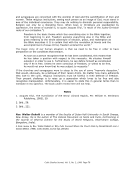
References
Albrecht, M. (1981). Gnosticism: past and present. Update, 5, 19-23.
Bird, F. and Reimer, B. (1982). Participation rates in new religious and para-religious
movements. Journal for the Scientific Study of Religion, 21, 14.
Bloomgarden, A. and Langone, M. (1984). Unpublished study.
Bussell, H. (1983). Unholy devotion: Why cults lure Christians. Grand Rapids: Zondervan.
Clark, J. (1979). Cults. Journal of the American Medical Association, 242, 179-181.
Clark, J., Langone, M., Schecter, R., and Daly, R. (1981). Destructive cult conversion:
Theory, research, and treatment. Weston, MA: American Family Foundation.
sophistry? In this regard, the challenge of monism is especially important Influenced more
by drug experiences and the implicit philosophical materialism of the secular culture than by
their religious faiths of birth, many sensitive young people find more satisfying explanations
of their adolescent, mystic-like experiences in eastern monism (especially the counterfeits
that are marketed so effectively) than in Judaeo-Christian dualism. Can Judaism and
Christianity find a place for and offer satisfying explanations of spiritual ―highs,‖ without
yielding to the Gnostic impulse within their own traditions, without becoming ―Hebrew‖ or
―Christian‖ cults, of which there is a growing number?
If religions, the law, and academia rise to the challenging opportunity cults presen4 and if
the cultural revitalization is to be sustained, the needed cultural adjustments, articulated
and unarticulated, must find expression in the educational system. Much of the confusion
that has made young people vulnerable to cult enticements reflects the cleavage, which
began during the intoxication of the 1960‘s with ―change,‖ between the educational system
and the culture it supposedly represents. Many educators, caught up in the ―change‖
momentum mistakenly thought that educational innovations could bring about the
revolution for which folk-singers pined. Instead, nearly two decades of educational
experimentation has brought disillusionment and resentment toward the educational
system. The ―back-to-basics‖ movement and the Reagan landslides signaled the end of free-
wheeling experimentation in education, as well as in other areas of public life. If, however,
this conservative ―revival‖ is to avoid being merely a temporary backlash it will have to face
up to the culture‘s need to make real changes, some of which may be distasteful to
conservatives dreaming of a return to the ―good old days.‖ The rise of cultism is hard
evidence that something wasn‘t working quite right in the ―good old days.‖
We must face up to the necessity for cultural change, yet we must not forget that a culture
is a big iceberg. Change that is heedless of the need to conserve doesn‘t revitalize cultures
it destroys them. Therefore, we must not become so preoccupied with devising a laundry list
of what should be altered that we forget to make a list of what should be preserved. This
caveat is especially pertinent to the educational system, the duty of which is to transmit the
cultural legacy.
This cultural legacy is not perfect, just as nobody‘s parents are perfect- And just as
adolescents, in becoming adults, must forgive their parents for being imperfect, we, as a
collective forming a living culture, must forgive the sins of our culture‘s past in order to
carry it intact into the future. The rise of cultism is partly a response to the cultural
imperfections that have so disturbed the naively idealistic among us. But it also reflects the
ever-present human tendency to use one‘s fellow human beings, to deny their individual
worth. American culture, in its highest sense, disdains such conduct American culture
affirms the value of the individual without forgetting that he is necessarily tied to family,
community, and the cultural heritage itself. It is a culture that needs revitalization. But it is
a culture that is certainly worth preserving.
References
Albrecht, M. (1981). Gnosticism: past and present. Update, 5, 19-23.
Bird, F. and Reimer, B. (1982). Participation rates in new religious and para-religious
movements. Journal for the Scientific Study of Religion, 21, 14.
Bloomgarden, A. and Langone, M. (1984). Unpublished study.
Bussell, H. (1983). Unholy devotion: Why cults lure Christians. Grand Rapids: Zondervan.
Clark, J. (1979). Cults. Journal of the American Medical Association, 242, 179-181.
Clark, J., Langone, M., Schecter, R., and Daly, R. (1981). Destructive cult conversion:
Theory, research, and treatment. Weston, MA: American Family Foundation.