Cultic Studies Journal, Vol. 3, No. 2, 1986 Page 79
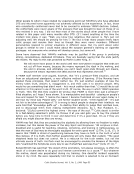
The God Hustlers By Mary H. Webb. Muntu Books. Berkeley, Califomia. 435 pp.
Paperback. $10.
Reviewed by Lita Linzer Schwartz, Ph. D.
Pennsylvania State University
Ogontz Campus
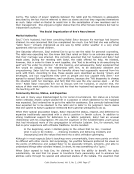
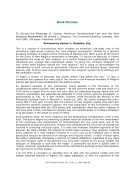
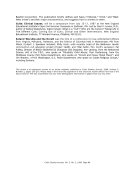
Reading The God Hustlers, for someone acquainted with the literature on cults, is like
meeting familiar figures. (You can‘t say ―like meeting old friends,‖ for these characters are
not one‘s ―friends.‖) Simon Peter Stone, a leading ―hustler‖ in the novel, bears a strong
resemblance to the late Jim Jones, with the almost-rhymed name hardly a coincidence.
Mamie Divine recalls the late Father Divine and his widow, although she is not one of the
purveyors masquerading as a deity. Tiffany Shane might be the stand-in for Jeannie Mills of
the Peoples Temple, and Leroy Banks brings to mind a non-kidnapping Ted Patrick. Ahmed
Sadiq could represent any number of Eastern gurus who have captivated hundreds of
thousands but with the emphasis on his materialism --not to mention the Rolls Royce
pressed on him by congregants --he is probably more like the Bhagwan Shree Rajneesh
than any of the others. Sadiq, however, is American-born, and has simply moved from
pimping to religion --complete with fabricated background and philosophy --as a ―bigger
and better hustle.‖ Other characters in the novel represent the various type of people who
are drawn to the ―god hustlers.‖
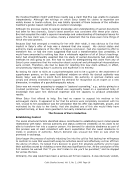
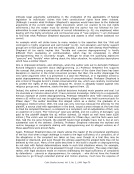
Ms. Webb has drawn Simon Stone so much in the image of Jim Jones that at times this
becomes irritating. Stone develops an integrated church he provides day care centers for
children and housing for the elderly, acquiring a good community reputation in the process
he takes drugs, wears dark glasses, and suffers paranoia he has people sign over all their
money to him and he punishes brutally any of his followers for the slightest infraction of his
rules or departure from his expectations. Does this sound familiar? Webb does not quite
have Stone move his people to the hills, or to Guyana, but otherwise much of the early and
middle phases of Jim Jones‘s career is recapitulated.
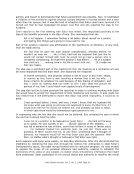
Essentially, the novel‘s plot begins with Simon‘s ―vision‖ at age ten, and follows him as he
moves from VISTA volunteer to preacher to demigod. Although this is the story of one cult
and one cult leader, the latter‘s approach is characteristic of what we have learned about
many recent cult leaders: ― ...he allowed their fervor to build, stoked their furnaces, fed
them fuel for only if they believed in him fanatically would they work fanatically for change,
either in themselves or in the world, and change must come. The means be damned at this
point, for he saw the end in sight‖ (p. 71). The story develops, in part, through the
―histories‖ of several of Simon‘s congregants, giving their backgrounds and revealing the
needs they had which were met --at least for a time --by him and his cult. It is the story of
charismatic leaders, Simon and Ahmed, who manipulate and exploit a variety of people for
their own ends and who ultimately become victims of their own megalomania and delusions
of grandeur.
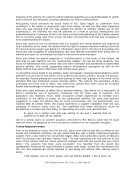
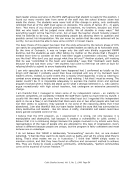
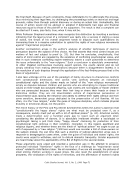
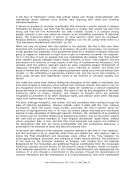
What does not quite ring true in the novel -which is not, I should stress, simply a
fictionalized account of the Peoples Temple --is the number of blacks and poor people who
become involved in the story --both as good and evil characters. Given the variety of cultic
strains and symbols employed in The God Hustlers, blacks and poor people appear to be
overrepresented, while middle-class, college-educated types are less visible than they really
are in contemporary cultic groups as a whole. This imbalance, which may stem from the
novel‘s placement in the San Francisco area of the late 1960‘s and early 1970‘s, detracts
from the interwoven stories of Ms. Webb‘s characters. Comparing these stories with
autobiographical accounts of real ex-cult members, the admixture of so many different
types of people, given their varied social histories, has reduced credibility.
The God Hustlers By Mary H. Webb. Muntu Books. Berkeley, Califomia. 435 pp.
Paperback. $10.
Reviewed by Lita Linzer Schwartz, Ph. D.
Pennsylvania State University
Ogontz Campus
Reading The God Hustlers, for someone acquainted with the literature on cults, is like
meeting familiar figures. (You can‘t say ―like meeting old friends,‖ for these characters are
not one‘s ―friends.‖) Simon Peter Stone, a leading ―hustler‖ in the novel, bears a strong
resemblance to the late Jim Jones, with the almost-rhymed name hardly a coincidence.
Mamie Divine recalls the late Father Divine and his widow, although she is not one of the
purveyors masquerading as a deity. Tiffany Shane might be the stand-in for Jeannie Mills of
the Peoples Temple, and Leroy Banks brings to mind a non-kidnapping Ted Patrick. Ahmed
Sadiq could represent any number of Eastern gurus who have captivated hundreds of
thousands but with the emphasis on his materialism --not to mention the Rolls Royce
pressed on him by congregants --he is probably more like the Bhagwan Shree Rajneesh
than any of the others. Sadiq, however, is American-born, and has simply moved from
pimping to religion --complete with fabricated background and philosophy --as a ―bigger
and better hustle.‖ Other characters in the novel represent the various type of people who
are drawn to the ―god hustlers.‖
Ms. Webb has drawn Simon Stone so much in the image of Jim Jones that at times this
becomes irritating. Stone develops an integrated church he provides day care centers for
children and housing for the elderly, acquiring a good community reputation in the process
he takes drugs, wears dark glasses, and suffers paranoia he has people sign over all their
money to him and he punishes brutally any of his followers for the slightest infraction of his
rules or departure from his expectations. Does this sound familiar? Webb does not quite
have Stone move his people to the hills, or to Guyana, but otherwise much of the early and
middle phases of Jim Jones‘s career is recapitulated.
Essentially, the novel‘s plot begins with Simon‘s ―vision‖ at age ten, and follows him as he
moves from VISTA volunteer to preacher to demigod. Although this is the story of one cult
and one cult leader, the latter‘s approach is characteristic of what we have learned about
many recent cult leaders: ― ...he allowed their fervor to build, stoked their furnaces, fed
them fuel for only if they believed in him fanatically would they work fanatically for change,
either in themselves or in the world, and change must come. The means be damned at this
point, for he saw the end in sight‖ (p. 71). The story develops, in part, through the
―histories‖ of several of Simon‘s congregants, giving their backgrounds and revealing the
needs they had which were met --at least for a time --by him and his cult. It is the story of
charismatic leaders, Simon and Ahmed, who manipulate and exploit a variety of people for
their own ends and who ultimately become victims of their own megalomania and delusions
of grandeur.
What does not quite ring true in the novel -which is not, I should stress, simply a
fictionalized account of the Peoples Temple --is the number of blacks and poor people who
become involved in the story --both as good and evil characters. Given the variety of cultic
strains and symbols employed in The God Hustlers, blacks and poor people appear to be
overrepresented, while middle-class, college-educated types are less visible than they really
are in contemporary cultic groups as a whole. This imbalance, which may stem from the
novel‘s placement in the San Francisco area of the late 1960‘s and early 1970‘s, detracts
from the interwoven stories of Ms. Webb‘s characters. Comparing these stories with
autobiographical accounts of real ex-cult members, the admixture of so many different
types of people, given their varied social histories, has reduced credibility.