Cultic Studies Journal, Vol. 3, No. 2, 1986 Page 59
fearful. In some cases, the fear was realistic they were aware that some clients who had
terminated were sued or physically attacked. It is important to note that dependency was
not always reflected in the clients‘ external lives they were often quite successful in
business or the professions. The dependency lay in their personal lives and intimate
relationships.
Hazards of the Failure to Maintain Personal Boundaries
In all the therapy cults we studied, the therapist involved the client in his personal life
clients became their therapists‘ friends, students, lovers, colleagues, employees, drinking
companions, research assistants, etc. This created great hazards for both. The clients
became confused as the professional relationship eroded into a social one. They were
unable to distinguish a transference from a realistic response to the therapist. They became
more infantile and dependent. If sexual contact took place, severe depression and feelings
of abandonment followed. Submissiveness to the therapist increased as acquiescence in the
therapist‘s wishes became common. Consequently, patients exercised less and less control
over their lives.
Therapists in such relationships often become grandiose, surrounded as they are by adoring
patients. They may lose the capacity for realistic self-appraisal, and they may have marital
problems because spouses resent involvement with patients in domestic situations. Such
therapists may also face legal problems, censure from other professionals, and eventually
experience fear and paranoia over other professionals‘ disapproval.
Techniques Used by Cult-Creating Therapists
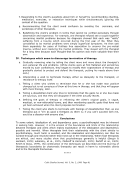
This sampling of techniques is not inclusive, nor does inclusion -mean that we think the
techniques are always destructive. But each was described to us by one or more subjects as
having been destructive to them in the context of the cult. We have grouped the techniques
according to the function we think they served in the cult.
I. Techniques which increase dependence
a. Encouraging confession, in individual or group therapy, and then relieving the anxiety
and guilt surrounding the confession through reassurance, forgiveness, criticism, or
punishment rather than by supporting the clients‘ attempts to reformulate their own
self-evaluation in a more benevolent fashion.
b. Increasing dependency by relieving the client‘s anxiety or guilt with reassurance,
advice, a ―gimmick‖ or a technique which depended upon the placebo effect or
suggestion, rather than exploring the anxiety or guilt and supporting the clients own
attempts to reassure or forgive themselves.
c. Sexual involvement with the client, which created guilt, confusion, increased self-
blame, and the feeling in the client that he or she must protect the therapist from
public or professional exposure, thus echoing the dynamic of incest and child abuse.
(In cases where the client had actually experienced incest and child abuse, sexual
contact with the therapist intensified the effects of the early abuse and increased the
client‘s helplessness by encouraging dissociation and, in two cases, psychosis.)
d. Vacillating unpredictably between the expression of loving, gentle, and accepting
attitudes toward the client to hostile, critical, and threatening ones. (Several clients
reported being frozen by this technique, unable to move closer to the therapist
because they feared him, and unable to leave because they felt he loved them.)
e. Encouraging the client, as part of the therapy, to refrain from making any personal
decisions without first discussing them with the therapist. This technique included
fearful. In some cases, the fear was realistic they were aware that some clients who had
terminated were sued or physically attacked. It is important to note that dependency was
not always reflected in the clients‘ external lives they were often quite successful in
business or the professions. The dependency lay in their personal lives and intimate
relationships.
Hazards of the Failure to Maintain Personal Boundaries
In all the therapy cults we studied, the therapist involved the client in his personal life
clients became their therapists‘ friends, students, lovers, colleagues, employees, drinking
companions, research assistants, etc. This created great hazards for both. The clients
became confused as the professional relationship eroded into a social one. They were
unable to distinguish a transference from a realistic response to the therapist. They became
more infantile and dependent. If sexual contact took place, severe depression and feelings
of abandonment followed. Submissiveness to the therapist increased as acquiescence in the
therapist‘s wishes became common. Consequently, patients exercised less and less control
over their lives.
Therapists in such relationships often become grandiose, surrounded as they are by adoring
patients. They may lose the capacity for realistic self-appraisal, and they may have marital
problems because spouses resent involvement with patients in domestic situations. Such
therapists may also face legal problems, censure from other professionals, and eventually
experience fear and paranoia over other professionals‘ disapproval.
Techniques Used by Cult-Creating Therapists
This sampling of techniques is not inclusive, nor does inclusion -mean that we think the
techniques are always destructive. But each was described to us by one or more subjects as
having been destructive to them in the context of the cult. We have grouped the techniques
according to the function we think they served in the cult.
I. Techniques which increase dependence
a. Encouraging confession, in individual or group therapy, and then relieving the anxiety
and guilt surrounding the confession through reassurance, forgiveness, criticism, or
punishment rather than by supporting the clients‘ attempts to reformulate their own
self-evaluation in a more benevolent fashion.
b. Increasing dependency by relieving the client‘s anxiety or guilt with reassurance,
advice, a ―gimmick‖ or a technique which depended upon the placebo effect or
suggestion, rather than exploring the anxiety or guilt and supporting the clients own
attempts to reassure or forgive themselves.
c. Sexual involvement with the client, which created guilt, confusion, increased self-
blame, and the feeling in the client that he or she must protect the therapist from
public or professional exposure, thus echoing the dynamic of incest and child abuse.
(In cases where the client had actually experienced incest and child abuse, sexual
contact with the therapist intensified the effects of the early abuse and increased the
client‘s helplessness by encouraging dissociation and, in two cases, psychosis.)
d. Vacillating unpredictably between the expression of loving, gentle, and accepting
attitudes toward the client to hostile, critical, and threatening ones. (Several clients
reported being frozen by this technique, unable to move closer to the therapist
because they feared him, and unable to leave because they felt he loved them.)
e. Encouraging the client, as part of the therapy, to refrain from making any personal
decisions without first discussing them with the therapist. This technique included