Cultic Studies Journal, Vol. 8, No. 2, 1991, Page 33
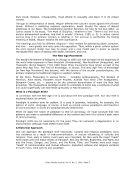
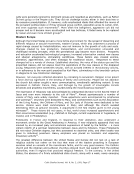
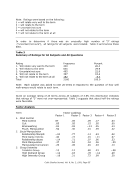
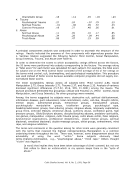
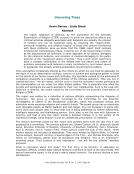
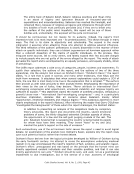
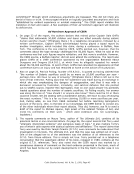
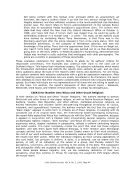
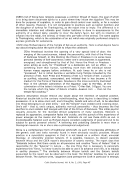
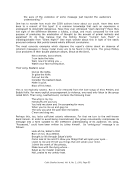
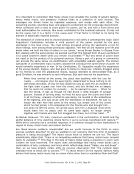
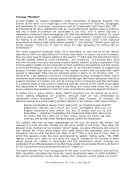
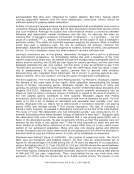
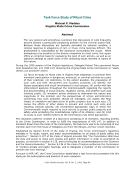
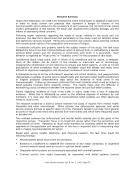
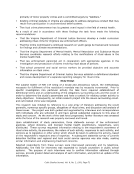
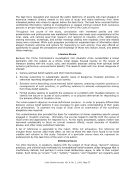
Inspection of Table 2 reveals that a) subjects did not ringingly endorse any term, b) there
was general agreement between ratings and rankings and c) the terms traditionally
employed by cult educational organizations did not fare as well as innovative terms,
such as “psychological abuse/trauma/manipulation,” “trust abuse,” and “spiritual
abuse/trauma.” Respondents on average were uncertain about “cult,” “brainwashing,” and
“totalist groups.” Subjects in this study were much more varied with respect to group than
in previous studies. In Conway, Siegelman, Carmichael, &Coggins (1986), for example,
76% of the subjects (representing 48 groups) came from five groups:
Unification Church (44%), Divine Light Mission (11%), Scientology (10%), The Way
International (6%), and Hare Krishna (5%). The largest number from any one group in this
study was 14 (13%) --from Scientology. We believe that these sample differences reflect
changes in the population of ex-cultists seeking assistance, including the increase in walk-
aways. Seventy-three percent of Conway et al.‟s samplewere deprogrammed subjects,
whereas 66% of this study‟s sample consisted of walk-aways.
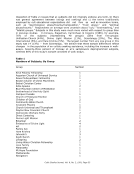
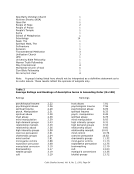
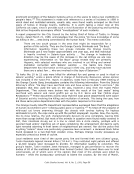
Table 1
Numbers of Subjects, By Group
Group Number
Alive Polarity Fellowship 1
Aquarian Church of Universal Service 1
Bawa Muheyaddeen Fellowship 1
Boston Church of Christ Movement 7
Bethel Christian Center 1
Bible Speaks 2
Blue Mountain Center of Meditation 1
Brotherhood of the Holy Spirit 1
Campus Crusade 1
Church of Today/Le Pavillon 1
Children of God 2
Community Bible Church 1
Covenant Players 1
Church Universal and Triumphant 5
Dayton New Covenant Church 1
Democratic Workers Party 2
Direct Centering 1
Divine Light Mission 1
Eckankar 2
Emissaries of Divine Light 4
est 2
Family Ark 1
Hare Krishna 3
Jehovah‟s 3
Kashi Ranch 1
Lifespring 2
Living Water Christian Fellowship 1
Love Family 1
Maranatha 1
Mt Hope Foundation 1
Muktananda 1
Navigators 1