Cultic Studies Journal, Vol. 8, No. 2, 1991, Page 40
Singer, M. T. (1982, November 18). Cults: Dynamics of mind control. Paper presented in
Santa Barbara, CA.
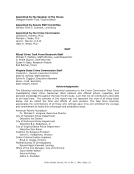
Acknowledgments
The authors wish to thank Dr. Arthur Dole of the University of Pennsylvania for his extensive
and valuable comments and suggestions and Carol Giambalvo and Nancy Miquelon, leaders
of FOCUS, an ex-cultist support group, for their assistance in gaining access to subjects.
**************
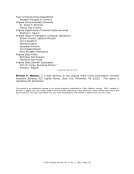
Michael D. Langone, Ph.D., Editor of the Cultic Studies Journal, is the Executive Director
of the American Family Foundation and coauthor of Cults: What parents should know and
Satanism and occult-related violence.
William V. Chambers, Ph.D. is Assistant Professor of Psychology at the University of
South Florida. His specialty areas include Personal Construct Theory and psychometrics.
This article is an electronic version of an article originally published in Cultic Studies Journal, 1991, Volume 8,
Number 2, pages 134-150. Please keep in mind that the pagination of this electronic reprint differs from that of the
bound volume. This fact could affect how you enter bibliographic information in papers that you may write.