Cultic Studies Journal, Vol. 8, No. 2, 1991, Page 78
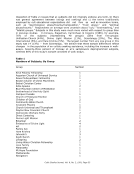
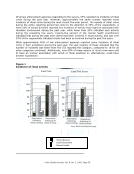
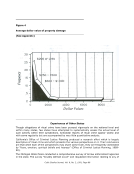
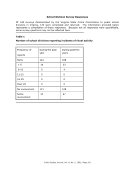
Of all law enforcement agencies responding to the survey, 57% reported no incidents of ritual
crime during the past year. However, approximately the same number reported some
incidence of ritual crime during the most recent five-year period. No reports of ritual crime
during the entire reporting period had come to the attention of 43% of the respondents. A
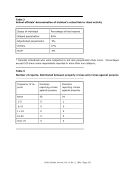
mere 10% of school divisions reported any incidence of activity that might be associated with
ritualistic involvement during the past year, while fewer than 20% indicated such activity
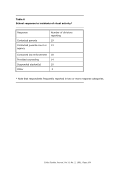
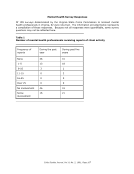
during the preceding five years. Twenty-five percent of the mental health practitioners
indicated that during the past year clients had been involved in ritual activity, and just over
33% of the respondents indicated clients had been so involved during the past five years.
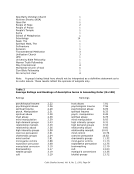
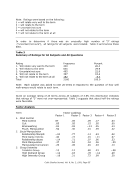
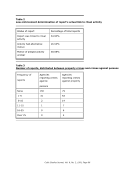
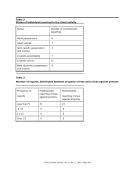
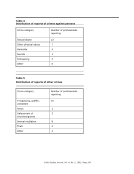
While approximately 40% of law enforcement agencies reported some incidence of ritual
crime in their jurisdiction during the past year, the vast majority of these indicated that the
number of incidents was fewer than five (53 reported this category, compared to 18 for all
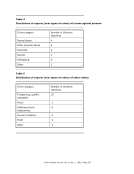
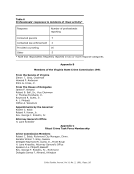
other categories combined). Additionally, over 65% of these reports of ritual crime were said
to have an unclear association with occult or ritual practices or, alternatively, could have
another explanation.
Figure 1
Incidence of ritual activity
School Division
Law Enforcement
Mental Health