77
Connie A. Mitchell |Abuses Produce Similar Psychological Effects in Survivors
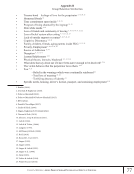
Appendix B
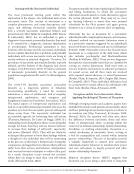
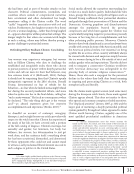
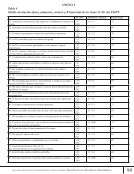
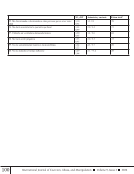
Group Retention Similarities
• Trauma-bond – feelings of love for the perpetrator 2, 15, 20, 21
• Hormonal Bonds 14
• Time commitment spent inside 5, 12, 18
• Prospect of being shunned by the ingroup 18, 19
• Elite while inside 1, 18
• Loss of friends and community if leaving 5, 10, 13, 18, 11. 21, 22
• Loss of belief system after exiting 4, 11, 21, 22, 23
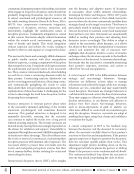
• Lack of outside support or contact 5, 8, 17, 21, 23
• Cognitive Dissonance 5, 9, 21
• Family, children, friends, aging parents inside HCG 11, 15, 18
• Poverty, Employment 5, 10, 13, 18, 23
• Source of Addiction 15, 16
• Deception 9, 15, 17, 21
• Learned helplessness 2, 21
• Physical threats, lawsuits, blackmail 2, 3, 5, 15,18
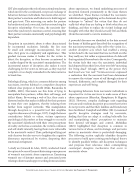
• What does that say about me if I have been naïve enough to be deceived? 7, 21
• The victim believes that the perpetrator loves them. 2, 21
• Fear 6, 21
-Belief in the warnings which were continually reinforced 21
-Total loss of meaning 21, 22
-Terrifying absence of identity 21
• Specific needs, housing, driver’s license, passport, and sustaining employment 5, 23
• • • • 1
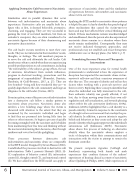
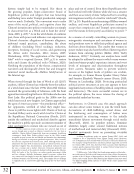
1. Bender (2019).
2. Doychak &Raghavan (2020).
3. Dubrow-Marshall (2010).
4. Dubrow-Marshall &Dubrow-Marshall (2015).
5. ETG (2014).
6. Frank &Terwilliger (2017).
7. Gasde &Block (1998).
8. Hagan, Raghavan &Doychak (2021).
9. Hassan &Shah (2019).
10. Johnson, Crisp &Johnson (2021).
11. Lalich (2004).
12. Lalich &Tobias, (2006).
13. Langone (1993).
14. McIlhaney &Bush (2008).
15. Reid (2016).
16. Rousselet, et al. (2017).
17. Singer (1995).
18. Singer (2003).
19. Singer &Lalich (1995).
20. Singer et al. (1990).
21. Stein (2016).
22. Tobias &Lalich (1994).
23. White &Lloyd (2014).