International Journal of Coercion, Abuse, and Manipulation Volume 9, Issue 2 2026 76
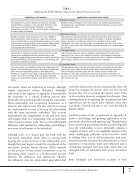
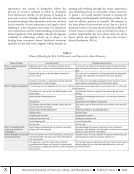
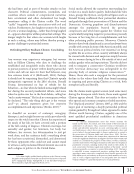
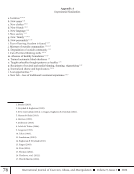
Appendix A
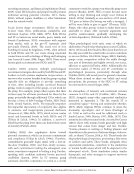
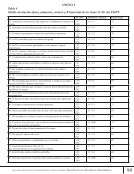
Experiential Similarities
a. Isolation 4,10,14
b. New name 6,11
c. New clothes 8,9,11
d. New friends 1,8,13
e. New language 1,10
f. New society 1,13
g. New ‘family’ 1,18,13
h. New personality 5,7,16
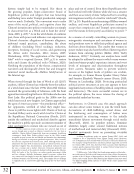
i. Fear of leaving freedom is feared 3,8,9
j. Mistrust of outside communities 4,8,13,15
k. Degradation of outside community 1,13
l. Cut off critical thinking skills 4,8,14
m. Absence of healthy boundaries 4,9,13
n. Trained automatic blind obedience 1,8
o. Taught unhealthy thought patterns as healthy 4,15
p. Recipients of societal and media blaming, shaming, stigmatizing 8,12
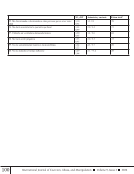
q. Internalized shame and hopelessness 2,8,10
r. Lost opportunities 8,11
s. New Job – loss of traditional vocational experience 3,8,9
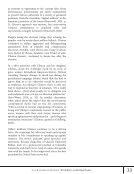
1
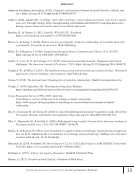
1. Bender (2019).
2. Doychak &Raghavan (2020).
3. ETG Curriculum (2014). 4. Hagan, Raghavan &Doychak (2021).
5. Hassan &Shah (2019).
6. Herman (1992).
7. Jenkinson (2008).
8. Lalich &Tobias (2006).
9. Langone (1993).
10. Lifton (1961).
11. Lundstrom, (2019).
12. Raghavan &Doychak (2015).
13. Singer (2003).
14. Stein (2016).
15. Thomas (2014).
16. Usacheva, et al. (2021).
17. West &Martin (1994).