International Journal of Coercion, Abuse, and Manipulation Volume 9, Issue 2 2026 6
Applying Destructive Cult Processes to Narcissistic
Abuse Experiences
Similarities exist in parallel dynamics that occur
between cult indoctrination and narcissistic abuse
experiences. Destructive cults are usually built by a
figure who, at first, is deemed believable, persuasive,
charming, and engaging. They are very successful in
gaining the trust of recruited members, but from an
onlooker’s viewpoint, they are often considered to be
narcissistic figures because of their domineering and
persuasive characteristics.
The cult leader recruits members to meet their own
needs. They are not interested in their members’ needs,
thoughts, or feelings. The cult member’s purpose is
to serve the cult and ultimately the cult leader. Cult
members are often recruited when they are experiencing
possible predispositions to cult commitment, including
“the vulnerability of the subject, group effects, the use
of emotions, detachment from outside influences,
progress in doctrinal teaching, promotions and the
assignment of responsibilities” (Rousselet, Duretete,
Hardouin, &Grall-Bronnec, 2017, p. 27). They are
love bombed—being told how wonderful they are—to
quickly align them to the cult community and forge an
allegiance to the cult leader (Carnes, 2019).
From inception, some of the processes of indoctrination
into a destructive cult follow a similar pattern to
narcissistic abuse processes. Narcissistic abuse also
involves a love bombing stage where the victim is
showered with attention to the extent that they are
consumed by the narcissistic individual and begin
to find they are pressured into having little time for
others or other interests. So begins a process of quickly
becoming entangled with the narcissist and forbidden
from maintaining their free time and thinking without
the narcissist dominating their decisions, often through
insidious and covert tactics like gaslighting.
These processes between destructive cult
indoctrination and narcissistic abuse are comparable
to the BITE model. Designed by Steven Hassan (2022),
it established the processes involved in destructive cult
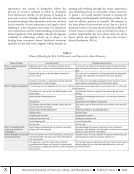
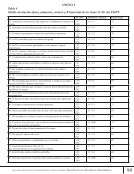
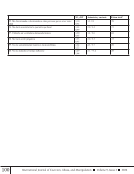
indoctrination. Table 1 presents Hassan’s (2022, 22-
31) explanation of behavior control (B), information
control (I), thought control (T), and emotional control
(E). We have added how the BITE model can apply to
experiences of narcissistic abuse and the similarities
of experiences between cult members and narcissistic
abuse victim-survivors.
Applying the BITE model to narcissistic abuse patterns
is helpful because it clearly identifies key psychological
abuse mechanisms that caused the victim-survivor
harm and may have affected their critical thinking and
beliefs. If these mechanisms remain unacknowledged
and unaddressed, then the person who has experienced
narcissistic abuse remains in a situation where their
needs remain unidentified. Consequently, they may
not receive indicated therapeutic approaches, and
professionals may not establish and enact therapeutic
collaborative care or therapy plans. (See Table 1 p. 7)
Formulating Recovery Phases and Therapeutic
Interventions
One of the most important areas for mental health
professionals to understand is how the experience of
deception has impacted the narcissistic abuse victim-
survivor’s self-view and their conscious awareness of
who they are. The concepts of identity and self are key
factors when working with a post-cult survivor and
their recovery. Exploring these concepts identifies that
when the individual was fully immersed in the cult,
their authentic identity was greatly affected, if not
lost, due to them moving away from their own self-
regulation and self-actualization, and towards pleasing
others within the cult community (Jenkinson, 2019a).
Jenkinson (2019a) highlighted that a cult identity is a
pseudo-identity, formed in response to the constraints
of a thought-reform environment that overlays the pre-
cult identity. In addition, a person introjects negative
beliefs and behaviors as they create and adopt the cult
pseudo-identity, which again suppresses the individual’s
autonomous self (Jenkinson, 2019b). Narcissistic
abuse shares this process of inducing an alternative
identity when the narcissistic abuser employs a
tactic of deception within their communications and
interactions with the victim to attempt to remain the
dominant controller.
We present composite vignettes (Ashleigh and
Jonathon), representing both female and male
experiences that combine features of the authors’
experiences of hearing clinical accounts of narcissistic
abuse (Spalding &Philips, 2007). Male experiences of