International Journal of Coercion, Abuse, and Manipulation Volume 9, Issue 2 2026 10
&Kuyken, 2014). The 5Ps model of psychological
formulation consists of precipitating, perpetuating,
predisposing, and protective factors to understand
their current problems(s). For the narcissistic victim-
survivor, a 5Ps formulation may include the following
factors: presenting issues (having lost one’s sense of self,
contributing to a lack of confidence and a discontinuity
with one’s past) precipitating factors (that contributed
to their involvement in an intimate relationship with
a harmful narcissist) perpetuating factors (involving
loss of friendships and social networks, combined with
difficulties [re]building them) predisposing factors
(involving traits that narcissists are likely to exploit) and
protective factors (such as job satisfaction, a close friend,
or a supportive family). The 5Ps model framework,
therefore, can help build an assessment framework for
current circumstances of the victim-survivor whilst
exploring prior deceptions in conjunction with healing
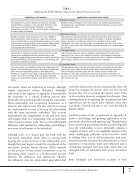
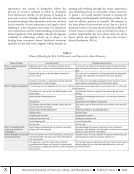
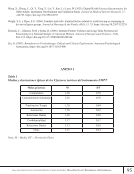
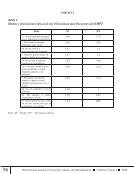
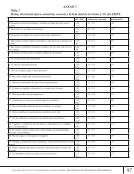
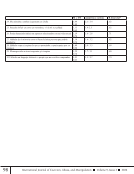
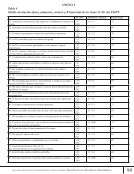
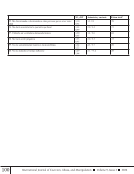
processes after cult indoctrination (see Tables 1 and
2). The following provides a concise summaries of key
deceptive behaviors adapted from Howard (2019) that
involve personal recovery considerations.
Love Bombing
This behavior is an attempt to emotionally manipulate
someone and gain their undivided attention.
Techniques include lavishing someone with gifts
bombarding them with excessive text messages, phone
calls, or emails giving compliments repeatedly
wanting commitment very early in the relationship
and insisting the other person is their soul mate, again,
very early in the relationship.
It may be especially pertinent for the victim-survivor
to reflect and consider if the narcissistic individual
used this technique towards them. Exploring this
manipulative technique is important to enable the
victim-survivor to safeguard against further or future
victimization, realizing that narcissists frequently use
it to entrap victims.
Gaslighting
Gaslighting involves the deliberate distortion of
information to make the victim question their reality
and sanity (Stark, 2019). This tactic weakens the
victim’s confidence and makes them more dependent
on the abuser for their sense of reality. Examples may
include the abuser distorting a victim’s information or
memories, thus making them feel they cannot rely on
their own recollections and judgments. These feelings
can lead to both a loss of self-esteem and confidence and
a loss of sense of self, thereby creating a dependency on
the abuser and greater control over the victim-survivor.
A psychologist, therapist, or other health and social
care professional may wish to explore the client’s
beliefs about themselves and where these have derived
from. Have these beliefs been influenced by gaslighting
behavior toward them? If so, then disentangling
one’s true beliefs about oneself from those created by
gaslighting will assist a victim-survivor in regaining
their sense of self, self-esteem, and self-confidence.
Pathological Dishonesty
Frequently observed in narcissists, pathological lying
can involve habitual or compulsive lying, sometimes
without clear purpose or benefit (Dike, Baranoski, &
Griffith, 2005). This form of lying serves to enhance
the narcissist’s self-image, manipulate their partner,
and deflect blame. Partners of narcissistic individuals
often find themselves entangled in a web of lies, which
erodes their ability to trust their own judgment and
further isolates them from potential support networks.
Some victim-survivors may be carrying shame,
frustration, or anger connected to having been
repeatedly lied to. They may be angry towards the
narcissistic abuser when they come to realize the extent
of dishonesty used against them. They also may feel
degrees of shame and guilt about not having recognized
this dishonesty, or how they pushed warning signs and
evidence to the back of their minds (albeit for self-
preservation and relationship-maintaining reasons).
Presentation of a False Self
A highly narcissistic individual can create a false self to
form the trusting bonds required from their partner.
After recognizing the narcissistic individual’s true self,
victim-survivors have referred to this realization as the
mask being removed or the mask slipping.
Realizing a trusted person or intimate partner is not the
person you thought they were is often an overwhelming
psychological trauma. A previously kind and