67
Connie A. Mitchell |Abuses Produce Similar Psychological Effects in Survivors
recruiting measures, and financial exploitation (Bond,
2019). Some HCG leaders and pimps broadly promise
unlimited earning potential (Annitto, 2011 Raine,
2021), without square deadlines or other limitations
from the outside world.
Social factors shape recruitment. HCGs use door-
to-door visits, fliers, publications, pamphlets, and
television (Layton, 1998 Mills, 1979). Both HCGs
and ST recruiters use social media, peers, family, and
friends (Lundstrom, 2019), sometimes with support
from media, such as the pro-ST materials cited
previously (Patrick, 2014). The social tool of love
bombing (Conway &Siegelman, 1978), often utilized
in both HCGs and ST, can create strong emotional
connections as well as feelings of liking and belonging
(see Laaser &Laaser, 2008 Singer, 2003). These social
factors guide recruitment into HCGs and ST.
Cialdini (2021) presents multiple psychological
recruitment strategies often used by both HCGs and ST.
Leaders in both systems emphasize reciprocation—a
survivor who receives benefits from the group or pimp
typically feels an obligation to provide something
in turn, often including loyalty, sacrificial financial
giving, work in support of the group, or sex work for
the pimp. For example, pimps often require that their
victims repay for all items purchased for them by the
pimp, potentially through additional CSAs, which can
become a form of debt bondage (Farley, 2003 Reid,
2016 United Nations, 2017). The typically unspoken
but impactful expectation of reciprocity also applies
to excessive and inappropriate personal disclosure
(Greene et al., 2006 Mills, 1979), which in turn creates
social and hormonal bonds in both HCGs and ST
(Tobias &Lalich, 1994a). In addition, a survivor’s
belief that the pimp loves them can distort their sense
of morality (Patrick, 2014).
Cialdini (2021) also emphasizes drives toward
personal consistency, which can increase commitment
and compliance (Tobias &Lalich, 1994a). Therefore,
commitments generally begin small, with a foot-in-
the-door (Cialdini, 2021) and then slowly increase,
with each commitment making the subsequent ones
easier, sometimes compared to boiling a frog. Further,
speaking with confident authority boosts perceived
credibility (Layton, 1998). In ST systems, going
automatic describes consistency in action as a victim
continues to work for a pimp even when the pimp is not
present (Bender, 2019). HCG recruits become more
willing to stop thinking and simply react (Tobias &
Lalich, 1994a). Similarly, as one survivor of ST stated,
“If I gave in before [by having sex with a stranger], I
will be more likely to give in again” (Thomas, 2023).
Pimps, who often groom victims to make them more
amenable to abuse, offer repeated arguments and
positive reinforcement, gradually developing the
victim’s dependency (Tobias &Lalich, 1994a).
Other psychological tools exist, some of which we
address here. People value what appears scarce (Cialdini,
2021). HCGs and their leaders often claim that they are
the only ones with the actual truth or route to salvation
or success (Lifton, 1961/2014 Singer, 2003). Similarly,
pimps create competition within the stable through
rare acts of favoritism and highly coveted, yet scarce,
affection or approval (Farley, 2003). Additionally, the
immersive nature of HCGs and ST contributes to
psychological pressures, particularly through what
Cialdini (2021) calls social proof or general consensus.
When those around us share our beliefs and social
perceptions, the pressures of the HCG or ST setting
become harder to resist (Singer, 2003).
An atmosphere of intensity and excitement remains
common in HCGs and ST (Cialdini, 2021 Thomas,
2023), alongside many other experiential similarities
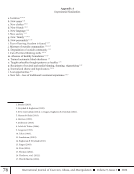
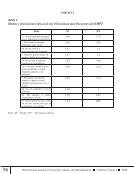
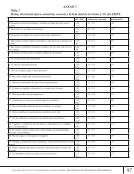
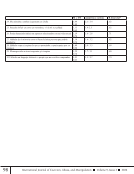
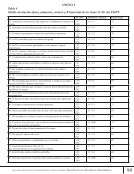
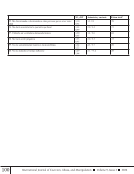
presented in Appendix 2. The life outside ST is
considered square—boring and undesirable (Bender,
2019). Many religious HCGs continue to stress the
doomsday, apocalyptic end of times (Festinger et
al., 1956) as well as the need for additional work or
funds (Layton, 1998 Martin, 1997 Mills, 1979). This
intensity also affects trauma bonds. As noted by Carnes
(2018), those with trauma bonds generally seek high
arousal that comes from danger and fear. Further,
“trauma pleasure is seeking or finding pleasure and
stimulation in the presence of extreme danger, violence,
risk, or shame” (Carnes, 2018, p. 44). These bonds also
shape physiological responses, promoting a false sense
of comfort and safety. These bonds, alongside other
experiential similarities, contribute to the similarities
in mental health issues which will be depicted in the
subsequent article. These similarities justify similar
therapeutic and other strategies to support survivors
of both contexts.