11
Vickie Howard, Amina Adan, Charles Attwood |Escaping the Narcissist’s Worldview
considerate person who seemingly turns into a monster
may be the first time that a highly narcissistic person
shows their true thoughts and actions. The first few
times a narcissist does so, the victim may dismiss these
revelations, but at some point, they no can longer avoid
the evidence of the narcissist’s danger. Often the victim
will liken the realization to experiencing grief and a
severe loss—what one researcher called mourning the
living dead (Clough, 2019). The experience is deeply
wounding and disturbing, and it severely impacts a
victim’s outlook about the world and their own life.
Abuse Amnesia
This term refers to a scenario in which the narcissistic
individual claims not to recall abuse they have inflicted
or even recognize their harmful behavior as abusive.
Abuse amnesia is an example of the narcissistic
individual avoiding responsibility and accountability
for harm and distress that they have caused and is a
form of gaslighting behavior. The victim-survivor may
need support in reclaiming their experiences after
receiving no ownership from the abuser themselves
about the harm they caused.
Triangulation
This dynamic often occurs when the narcissistic
individual pulls in another person or persons to support
the abusive dynamic they are inflicting on a victim. In
an intimate relationship, the narcissistic individual
may involve a family member or friend who will tell the
victim that they are the unreasonable party or the one
at fault in the relationship. Establishing a triangulating
relationship that blames the victim and exonerates the
abuser is another example of a narcissist’s successful
but harmful manipulation.
Originating from a single abusive dynamic perpetrated
by the narcissistic individual, triangulating connections
can infiltrate many relational situations. Ultimately, the
dynamics of triangulation may cause either repairable
or irreparable damage with family, friends, and other
individuals in the victim-survivor’s social circle. It may
extend to reputational damage impacting employment,
from techniques such as smearing, which involves the
narcissistic individual circulating lies about the victim-
survivor.
The Silent Treatment
The narcissistic individual ceases communication with
the victim, leaving them in a state of confusion. This
cessation may cause the victim to wonder what they
have done wrong, blame themselves, feel isolated and
hopeless, and overcompensate by trying to win back
the narcissistic individual’s approval and attention.
Recognizing past periods of isolation and loneliness
and accepting that they were the result of behaviors
of the narcissist, and therefore, were not the victim-
survivor’s fault or responsibility.
Future Faking
Narcissistic individuals offer wonderful, exciting future
plans, which draw a victim towards them. Over time,
the victim comes to realize that these plans have not
materialized and probably never will. They were,
however, a hook to keep the victim committed to the
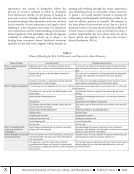
narcissistic relationship. Recovery involves identifying,
then exploring, feelings and costs related to losses
from the fake promised plans (e.g., a special holiday,
a new home, having a family). Healing will involve
identifying why the plans and related aspirations were
so important, and what the victim can learn from them.
Disregard of Victim’s Possessions and Denial of
Choices
Narcissists inflict pain, disregard the victim’s
possessions, and deny their choices to show a victim the
limitless costs associated with elevating individuality
over their own coercively narcissistic wishes. From a
victim’s perspective, challenging narcissists may seem
more costly than acquiescing.
Healing involves assisting the victim’s grieving over
the loss of treasured possessions while focusing on
reclaiming control over their life. Assistance may
involve helping the survivor rebuild a safe and
affirming environment that reflects their preferences
and choices. It also may involve helping the person
to detach from material losses to prioritize emotional
healing and resilience.
Honing Strengths and Hope
Supporting a victim-survivor of narcissistic abuse in