Cultic Studies Journal, Vol. 12, No. 2, 1995, page 6
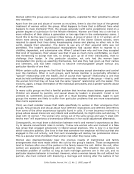
example, the fact, in isolation, that a police officer had white skin and that an arrested
person had black skin may or may not have had anything to do with racism. On the other
hand, a well-executed single case may suggest avenues for further study, identify subtleties
that are lost in quantitative research, provide investigators with hands-on experience with
the phenomena they are studying, and document the unusual and exceptional.
Qualitative Cult Research
Cult researchers provide examples of the potentials and risks of qualitative methods. Early
anecdotal accounts by cult members and deprogrammers (Patrick &Dulack, 1976 see also
Conway &Siegelman, 1978) probably contributed to a sensationalized picture of
“brainwashing” and the influence of powerful destructive groups. On the other hand,
sociologists such as Shupe and Bromley (1979) and S. Wright (1987) supplemented their
quantitative studies with quotations and documented descriptive data that tended to
contradict their own cult-supportive conclusions (Dole, 1991). Dubrow-Eichel (1989, 1990)
published his award-winning analysis of a single deprogramming and a number of writers
(e.g., Dubrow-Eichel &Dubrow-Eichel, 1988 Goldberg &Goldberg, 1982, 1988) have
described the rehabilitation of cult victims through the use of psychoeducation,
psychotherapy, and exit counseling. Dole, in collaboration with Dubrow-Eichel, has analyzed
letters written by participants in Rev. Sun Myung Moon‟s International Conference for the
Unity of the Sciences (Dole &Dubrow-Eichel, 1981), as well as written responses to a
survey on the New Age (Dole, 1993). Singer (1993) has described the use in court of
written documents to establish undue influence, and Garvey (1993) has published a
composite case study of a New Age cult.
Case studies are not limited to studies of persons. Examples of case reports that incorporate
songs, observations, news stories, anecdotes, and legal summaries can be found regularly
in this journal. See also recent books by Langone (1993), Singer and Lalich (1995), Tobias
and Lalich (1994). They analyze various cult-related topics intensively but are limited in
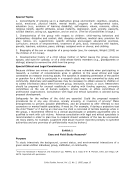
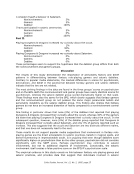
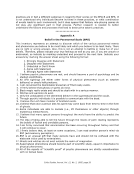
their representativeness and may be vulnerable to bias. (See Exhibit 1 for a summary of the
characteristics of case studies.)
Suggestions are presented here on how the case study method may be applied by a mental
health professional (e.g., psychologist, psychiatrist, social worker) to a person who has had
an experience with a destructive group. In addition to drawing on published research, I
have applied the benefits of my experience in directing more than two dozen dissertation
candidates who utilized case history methods. Researchers who try out the suggestions and
topic areas that follow should feel free to modify them to fit their purposes, circumstances,
and preferences.
Suggestions for Preparing a Clinical Case Study
It is advisable to seek out legal consultation and approval of institutional review boards on
legal and ethical issues concerning, for example, permission to collect and release
information or to record interviews with either video or audio equipment. State laws and
organizational regulations concerning the privacy of informants vary greatly.
Before Starting
1. For your own benefit, inventory your theoretical orientation (psychoanalytic, eclectic,
behavioral, etc.), your major basic assumptions about human nature, and your attitudes
toward cults in general and the particular groups from which participants will be drawn.
(Prospective researchers who fear that their emotional reactions to cult-related issues may
seriously interfere with their objectivity --e.g., “Rev. B. seduced my daughter. I‟ll show
him.” --should seek consultation before interviewing current or former cult members.)
2. Specify your major research purposes and intended audiences.
example, the fact, in isolation, that a police officer had white skin and that an arrested
person had black skin may or may not have had anything to do with racism. On the other
hand, a well-executed single case may suggest avenues for further study, identify subtleties
that are lost in quantitative research, provide investigators with hands-on experience with
the phenomena they are studying, and document the unusual and exceptional.
Qualitative Cult Research
Cult researchers provide examples of the potentials and risks of qualitative methods. Early
anecdotal accounts by cult members and deprogrammers (Patrick &Dulack, 1976 see also
Conway &Siegelman, 1978) probably contributed to a sensationalized picture of
“brainwashing” and the influence of powerful destructive groups. On the other hand,
sociologists such as Shupe and Bromley (1979) and S. Wright (1987) supplemented their
quantitative studies with quotations and documented descriptive data that tended to
contradict their own cult-supportive conclusions (Dole, 1991). Dubrow-Eichel (1989, 1990)
published his award-winning analysis of a single deprogramming and a number of writers
(e.g., Dubrow-Eichel &Dubrow-Eichel, 1988 Goldberg &Goldberg, 1982, 1988) have
described the rehabilitation of cult victims through the use of psychoeducation,
psychotherapy, and exit counseling. Dole, in collaboration with Dubrow-Eichel, has analyzed
letters written by participants in Rev. Sun Myung Moon‟s International Conference for the
Unity of the Sciences (Dole &Dubrow-Eichel, 1981), as well as written responses to a
survey on the New Age (Dole, 1993). Singer (1993) has described the use in court of
written documents to establish undue influence, and Garvey (1993) has published a
composite case study of a New Age cult.
Case studies are not limited to studies of persons. Examples of case reports that incorporate
songs, observations, news stories, anecdotes, and legal summaries can be found regularly
in this journal. See also recent books by Langone (1993), Singer and Lalich (1995), Tobias
and Lalich (1994). They analyze various cult-related topics intensively but are limited in
their representativeness and may be vulnerable to bias. (See Exhibit 1 for a summary of the
characteristics of case studies.)
Suggestions are presented here on how the case study method may be applied by a mental
health professional (e.g., psychologist, psychiatrist, social worker) to a person who has had
an experience with a destructive group. In addition to drawing on published research, I
have applied the benefits of my experience in directing more than two dozen dissertation
candidates who utilized case history methods. Researchers who try out the suggestions and
topic areas that follow should feel free to modify them to fit their purposes, circumstances,
and preferences.
Suggestions for Preparing a Clinical Case Study
It is advisable to seek out legal consultation and approval of institutional review boards on
legal and ethical issues concerning, for example, permission to collect and release
information or to record interviews with either video or audio equipment. State laws and
organizational regulations concerning the privacy of informants vary greatly.
Before Starting
1. For your own benefit, inventory your theoretical orientation (psychoanalytic, eclectic,
behavioral, etc.), your major basic assumptions about human nature, and your attitudes
toward cults in general and the particular groups from which participants will be drawn.
(Prospective researchers who fear that their emotional reactions to cult-related issues may
seriously interfere with their objectivity --e.g., “Rev. B. seduced my daughter. I‟ll show
him.” --should seek consultation before interviewing current or former cult members.)
2. Specify your major research purposes and intended audiences.