Cultic Studies Journal, Vol. 12, No. 2, 1995, page 29
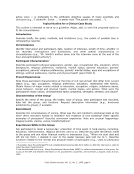
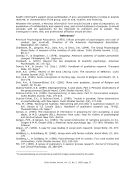
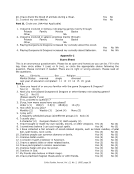
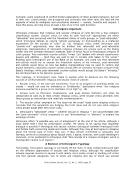
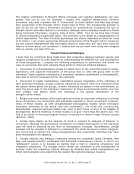
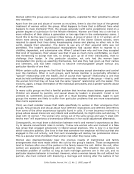
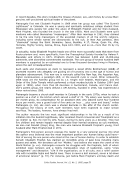
19. I have used animals in these rituals. Yes (5) No (0)
20. I have drunk the blood of animals during a ritual. Yes (5) No (0)
21. I control my own destiny. Yes (2) No (0)
Part II. Circle one. (NA=Not Applicable)
1. I became involved in fantasy role-playing games mainly through:
Friends(3) Family (4) Movies (2) Books (2)
Other (1)____________ NA (0)
2. I became involved in satanic practices mainly through:
Friends (3) Family (4) Movies (2) Books (2)
Other (1)____________ NA (0)
3. Playing Dungeons &Dragons increased my curiosity about the occult.
Yes (3) No (0) NA (0)
4. Playing Dungeons &Dragons increased my curiosity about Satanism.
Yes (5) No (0) NA (0)
High score: 87
Low score: 0
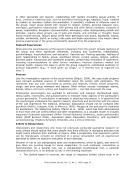
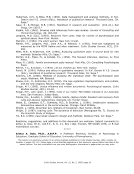
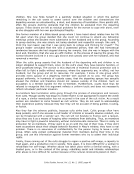
Appendix D
Instructions for Scoring and Interpreting the SAFE Survey
As shown on the SAFE score sheet, each item has a corresponding number in the
parentheses. Each is weighted so that the higher the score, the more involved that subject
is in respect to the particular group, gamers, dabblers, or possibly both. If scores from
questions #1B6 are lower than 9, the subject is not considered to be in the gamers group.
If scores from questions #7B21 are less than 18, then the subject is not considered a
dabbler. Overall scores of 20 or less are considered as noninvolvement.
The numbers in parentheses are the weighted scores that correspond to each item. Add up
each circled answer using that score for a total raw score. Average mean score for each
group can then be obtained to determine a degree of intensity of involvement (i.e., low
average=low intensity, high average=high degree of involvement).
Part II is included in overall analyses, and contributes to intensity of involvement.
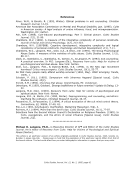
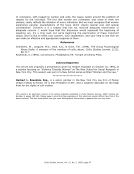
References
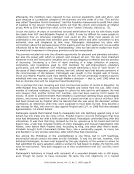
Bourget, D., Gagnon, A., &Bradford, M.W. (1988). Satanism in a psychiatric adolescent
population. Canadian Journal of Psychiatry, 33(3), 197-201.
Carroll, J.L., &Carolin, P.M. (1989). Relationship between game playing and personality.
Psychological Reports, 64, 705-706.
DeRenard, L.A., &Kline, M.L. (1990). Alienation and the game Dungeons and Dragons.
Psychological Reports, 66, 1219-1222.
Evans, C. (1991). Teens and devil worship: What everyone should know. Lafayette, LA:
Huntington House.
Eysenck, H.J., &Eysenck, S.B.G. (1975). The EPQ Manual. London: Hodder &Stoughton.
Eysenck, S.B.G., Eysenck, H.J., &Barrett, P. (1985). A revised version of the psychoticism
scale. Personality and Individual Differences, 6, 21-29.
Fine, G.A. (1983). Shared Fantasy: Role-playing games as social worlds. Chicago: University
of Chicago Press.
Hicks, R.D. (1991). In Pursuit of Satan: The police and the occult. Amherst, NY: Prometheus
Books.
Jones, W., Russell, D., &Nickel, T. (1977). Belief in the paranormal scale: An objective
instrument to measure belief in magical phenomena and causes [Ms. No. 1577]. JSAS
Catalog of Selected Documents in Psychology, 7, 100.
19. I have used animals in these rituals. Yes (5) No (0)
20. I have drunk the blood of animals during a ritual. Yes (5) No (0)
21. I control my own destiny. Yes (2) No (0)
Part II. Circle one. (NA=Not Applicable)
1. I became involved in fantasy role-playing games mainly through:
Friends(3) Family (4) Movies (2) Books (2)
Other (1)____________ NA (0)
2. I became involved in satanic practices mainly through:
Friends (3) Family (4) Movies (2) Books (2)
Other (1)____________ NA (0)
3. Playing Dungeons &Dragons increased my curiosity about the occult.
Yes (3) No (0) NA (0)
4. Playing Dungeons &Dragons increased my curiosity about Satanism.
Yes (5) No (0) NA (0)
High score: 87
Low score: 0
Appendix D
Instructions for Scoring and Interpreting the SAFE Survey
As shown on the SAFE score sheet, each item has a corresponding number in the
parentheses. Each is weighted so that the higher the score, the more involved that subject
is in respect to the particular group, gamers, dabblers, or possibly both. If scores from
questions #1B6 are lower than 9, the subject is not considered to be in the gamers group.
If scores from questions #7B21 are less than 18, then the subject is not considered a
dabbler. Overall scores of 20 or less are considered as noninvolvement.
The numbers in parentheses are the weighted scores that correspond to each item. Add up
each circled answer using that score for a total raw score. Average mean score for each
group can then be obtained to determine a degree of intensity of involvement (i.e., low
average=low intensity, high average=high degree of involvement).
Part II is included in overall analyses, and contributes to intensity of involvement.
References
Bourget, D., Gagnon, A., &Bradford, M.W. (1988). Satanism in a psychiatric adolescent
population. Canadian Journal of Psychiatry, 33(3), 197-201.
Carroll, J.L., &Carolin, P.M. (1989). Relationship between game playing and personality.
Psychological Reports, 64, 705-706.
DeRenard, L.A., &Kline, M.L. (1990). Alienation and the game Dungeons and Dragons.
Psychological Reports, 66, 1219-1222.
Evans, C. (1991). Teens and devil worship: What everyone should know. Lafayette, LA:
Huntington House.
Eysenck, H.J., &Eysenck, S.B.G. (1975). The EPQ Manual. London: Hodder &Stoughton.
Eysenck, S.B.G., Eysenck, H.J., &Barrett, P. (1985). A revised version of the psychoticism
scale. Personality and Individual Differences, 6, 21-29.
Fine, G.A. (1983). Shared Fantasy: Role-playing games as social worlds. Chicago: University
of Chicago Press.
Hicks, R.D. (1991). In Pursuit of Satan: The police and the occult. Amherst, NY: Prometheus
Books.
Jones, W., Russell, D., &Nickel, T. (1977). Belief in the paranormal scale: An objective
instrument to measure belief in magical phenomena and causes [Ms. No. 1577]. JSAS
Catalog of Selected Documents in Psychology, 7, 100.