Cultic Studies Journal, Vol. 12, No. 2, 1995, page 17
health informant‟s support group participation, if any accomplishments or prizes or awards
received or characteristics of the group, such as size, location, and financing.
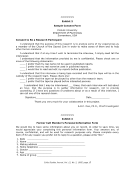
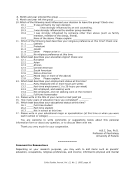
Whatever the content, a Personal Information Form should include a date of preparation, an
explanation of confidentiality and research uses, and a brief statement of purpose. It should
conclude with an opportunity for the informant to comment and to explain. The
investigator‟s name, title, and professional affiliation should be clear.
References4
American Psychological Association. (1993). Ethical principles of psychologists and code of
conduct (pp. xxviii-xli). Directory of the American Psychological Association.
Washington, DC: Author.
Chambers, W., Langone, M.D., Dole, A.A., &Grice, J.W. (1994). The Group Psychological
Abuse Scale: A measure of the varieties of cultic abuse. Cultic Studies Journal, 11(1),
88-117.
Conway, F., &Siegelman, J. (1978). Snapping: America’s epidemic of sudden personality
changes. Philadelphia, PA: Lippincott.
Cronbach, L. (1975). Beyond the two disciplines of scientific psychology. American
Psychologist, 30, 116-122.
Denzin, N.K., &Lincoln, Y.S. (Eds.). (1994). Handbook of qualitative research. Thousand
Oaks, CA: Sage.*
Dole, A.A. (1991). Review of the book Leaving Cults: The dynamics of defection. Cultic
Studies Journal, 8(1), 87-90.
Dole, A.A. (1993). Some conceptions of the New Age. Journal of Religion and Health, 32, 4,
261-276.
Dole, A.A., &Dubrow-Eichel, S.K. (1981). Moon over academe. Journal of Religion and
Health, 20, 35-40.
Dubrow-Eichel, S.K. (1989). Deprogramming: A case study. Part I: Personal observations of
the group process [Special issue]. Cultic Studies Journal, 6(2).
Dubrow-Eichel, S.K. (1990). Deprogramming: A case study. Part II: Conversation analysis.
Cultic Studies Journal, 7(2), 174-215.
Dubrow-Eichel, S.K., &Dubrow-Eichel, L. (1988). Trouble in paradise: Some observations
on psychotherapy with New Agers. Cultic Studies Journal, 5(2), 177-192.
Fine, M. (1994). Working the hyphens: Reinventing self and other in qualitative research. In
N.K. Denzin &Y.S. Lincoln (Eds.), Handbook of qualitative research (pp. 70-82).
Thousand Oaks, CA: Sage.*
Garvey, K. (1993). The importance of information in preparing for exit counseling: A case
study. In M.D. Langone (Ed.), Recovery from cults: Help for victims of psychological
and spiritual abuse. New York: Norton.
Gergen, M.M., &Gergen, K.J. (1984). The social construction of narrative accounts. In K.J.
Gergen &M.M. Gergen (Eds.), Historical social psychology (pp. 173-189). Hillsdale, NJ:
Erlbaum.
Gilgun, J.F. (1994). A case for case studies in social work research. Social Work, 39, 374-
380.
Goldberg, L., &Goldberg, W. (1982). Group work with former cultists. Social Work, 27, 165-
170.
Goldberg, L., &Goldberg, W. (1988). Psychotherapy with ex-cultists: Four case studies and
commentary, Cultic Studies Journal, 5(2), 193-210.
Hill, C.E. (1990). A review of exploratory in-session process research. Journal of Consulting
and Clinical Psychology, 58, 288-294.
4 An asterisk following an entry denotes a book that is highly recommended by the author.
health informant‟s support group participation, if any accomplishments or prizes or awards
received or characteristics of the group, such as size, location, and financing.
Whatever the content, a Personal Information Form should include a date of preparation, an
explanation of confidentiality and research uses, and a brief statement of purpose. It should
conclude with an opportunity for the informant to comment and to explain. The
investigator‟s name, title, and professional affiliation should be clear.
References4
American Psychological Association. (1993). Ethical principles of psychologists and code of
conduct (pp. xxviii-xli). Directory of the American Psychological Association.
Washington, DC: Author.
Chambers, W., Langone, M.D., Dole, A.A., &Grice, J.W. (1994). The Group Psychological
Abuse Scale: A measure of the varieties of cultic abuse. Cultic Studies Journal, 11(1),
88-117.
Conway, F., &Siegelman, J. (1978). Snapping: America’s epidemic of sudden personality
changes. Philadelphia, PA: Lippincott.
Cronbach, L. (1975). Beyond the two disciplines of scientific psychology. American
Psychologist, 30, 116-122.
Denzin, N.K., &Lincoln, Y.S. (Eds.). (1994). Handbook of qualitative research. Thousand
Oaks, CA: Sage.*
Dole, A.A. (1991). Review of the book Leaving Cults: The dynamics of defection. Cultic
Studies Journal, 8(1), 87-90.
Dole, A.A. (1993). Some conceptions of the New Age. Journal of Religion and Health, 32, 4,
261-276.
Dole, A.A., &Dubrow-Eichel, S.K. (1981). Moon over academe. Journal of Religion and
Health, 20, 35-40.
Dubrow-Eichel, S.K. (1989). Deprogramming: A case study. Part I: Personal observations of
the group process [Special issue]. Cultic Studies Journal, 6(2).
Dubrow-Eichel, S.K. (1990). Deprogramming: A case study. Part II: Conversation analysis.
Cultic Studies Journal, 7(2), 174-215.
Dubrow-Eichel, S.K., &Dubrow-Eichel, L. (1988). Trouble in paradise: Some observations
on psychotherapy with New Agers. Cultic Studies Journal, 5(2), 177-192.
Fine, M. (1994). Working the hyphens: Reinventing self and other in qualitative research. In
N.K. Denzin &Y.S. Lincoln (Eds.), Handbook of qualitative research (pp. 70-82).
Thousand Oaks, CA: Sage.*
Garvey, K. (1993). The importance of information in preparing for exit counseling: A case
study. In M.D. Langone (Ed.), Recovery from cults: Help for victims of psychological
and spiritual abuse. New York: Norton.
Gergen, M.M., &Gergen, K.J. (1984). The social construction of narrative accounts. In K.J.
Gergen &M.M. Gergen (Eds.), Historical social psychology (pp. 173-189). Hillsdale, NJ:
Erlbaum.
Gilgun, J.F. (1994). A case for case studies in social work research. Social Work, 39, 374-
380.
Goldberg, L., &Goldberg, W. (1982). Group work with former cultists. Social Work, 27, 165-
170.
Goldberg, L., &Goldberg, W. (1988). Psychotherapy with ex-cultists: Four case studies and
commentary, Cultic Studies Journal, 5(2), 193-210.
Hill, C.E. (1990). A review of exploratory in-session process research. Journal of Consulting
and Clinical Psychology, 58, 288-294.
4 An asterisk following an entry denotes a book that is highly recommended by the author.