Cultic Studies Journal, Vol. 12, No. 2, 1995, page 25
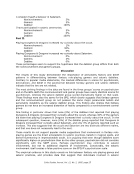
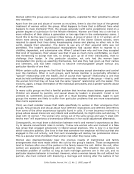
I consider myself a believer in Satanism.
Noninvolvement: 2%
Gamers: 3%
Dabbler: 100%
I have participated in satanic ceremonies.
Noninvolvement: 2%
Gamers: 0%
Dabbler: 100%
Part II.
Playing Dungeons &Dragons increased my curiosity about the occult.
Noninvolvement: 1%
Gamers: 36%
Dabbler: 0%
Playing Dungeons &Dragons increased my curiosity about Satanism.
Noninvolvement: 0%
Gamers: 3%
Dabbler: 0%
These percentages seem to support the hypothesis that the dabbler group differs from both
the noninvolvement and gamers groups.
Discussion
The results of this study demonstrate the importance of personality factors and belief
patterns in differentiating between fantasy role-playing gamers and satanic dabblers.
Contrary to popular media statements, the marked differences in scores for psychoticism,
extraversion, and belief in the paranormal between fantasy gamers and satanic dabblers
indicate that the two are not related.
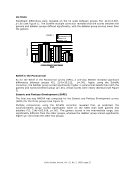
The most striking findings in the data are found in the three groups‟ scores on psychoticism
and on the BPS. Both the noninvolvement and gamer groups have nearly identical scores for
psychoticism, whereas the satanic dabbler group scored dramatically higher on that scale.
These findings were also the same for the BPS, which clearly suggests that fantasy gamers
and the noninvolvement group do not possess the same major paranormal beliefs and
personality instability as the satanic dabbler group. This finding also implies that fantasy
gamers do not have an increased distortion of reality compared to a noninvolvement control
group.
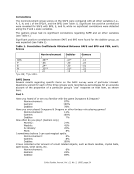
One finding in particular shows that none (0%) of the dabblers had reported that playing
Dungeons &Dragons increased their curiosity about the occult, whereas 36% of the gamers
did state that playing Dungeons &Dragons increased their curiosity about the occult. In the
subsequent question, however, none (0%) of the dabbler group reported that Dungeons &
Dragons increased their curiosity about Satanism, and only 3% of gamers reported such an
increase. This also suggests that the occult and Satanism are two distinctly different realms,
and that one does not necessarily lead to the next.
These results do not support popular media suggestions that involvement in fantasy role-
playing games are the direct antecedents to satanic practices, beliefs in magical spells, and
demon-summoning in impressionable youth. It is puzzling that even though dabblers score
significantly higher on psychoticism than do the other groups, psychoticism did not correlate
significantly with the SAFE score. Perhaps psychoticism may contribute to satanic
involvement, but not to additional degrees of involvement. Conceivably, the satanic
involvement itself creates a false-positive score on the EPQ-R‟s psychoticism scale.
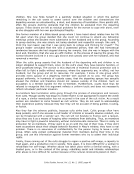
The empirical evidence in this study reveals no link between fantasy role-playing games and
satanic practices, and provides data that suggest that individuals involved in satanic
I consider myself a believer in Satanism.
Noninvolvement: 2%
Gamers: 3%
Dabbler: 100%
I have participated in satanic ceremonies.
Noninvolvement: 2%
Gamers: 0%
Dabbler: 100%
Part II.
Playing Dungeons &Dragons increased my curiosity about the occult.
Noninvolvement: 1%
Gamers: 36%
Dabbler: 0%
Playing Dungeons &Dragons increased my curiosity about Satanism.
Noninvolvement: 0%
Gamers: 3%
Dabbler: 0%
These percentages seem to support the hypothesis that the dabbler group differs from both
the noninvolvement and gamers groups.
Discussion
The results of this study demonstrate the importance of personality factors and belief
patterns in differentiating between fantasy role-playing gamers and satanic dabblers.
Contrary to popular media statements, the marked differences in scores for psychoticism,
extraversion, and belief in the paranormal between fantasy gamers and satanic dabblers
indicate that the two are not related.
The most striking findings in the data are found in the three groups‟ scores on psychoticism
and on the BPS. Both the noninvolvement and gamer groups have nearly identical scores for
psychoticism, whereas the satanic dabbler group scored dramatically higher on that scale.
These findings were also the same for the BPS, which clearly suggests that fantasy gamers
and the noninvolvement group do not possess the same major paranormal beliefs and
personality instability as the satanic dabbler group. This finding also implies that fantasy
gamers do not have an increased distortion of reality compared to a noninvolvement control
group.
One finding in particular shows that none (0%) of the dabblers had reported that playing
Dungeons &Dragons increased their curiosity about the occult, whereas 36% of the gamers
did state that playing Dungeons &Dragons increased their curiosity about the occult. In the
subsequent question, however, none (0%) of the dabbler group reported that Dungeons &
Dragons increased their curiosity about Satanism, and only 3% of gamers reported such an
increase. This also suggests that the occult and Satanism are two distinctly different realms,
and that one does not necessarily lead to the next.
These results do not support popular media suggestions that involvement in fantasy role-
playing games are the direct antecedents to satanic practices, beliefs in magical spells, and
demon-summoning in impressionable youth. It is puzzling that even though dabblers score
significantly higher on psychoticism than do the other groups, psychoticism did not correlate
significantly with the SAFE score. Perhaps psychoticism may contribute to satanic
involvement, but not to additional degrees of involvement. Conceivably, the satanic
involvement itself creates a false-positive score on the EPQ-R‟s psychoticism scale.
The empirical evidence in this study reveals no link between fantasy role-playing games and
satanic practices, and provides data that suggest that individuals involved in satanic