Cultic Studies Journal, Vol. 8, No. 2, 1991, Page 87
heightens the likelihood that child abuse will be seen in this light. The added dimension of
mental illness, which may lead to distortion of actual events, only aggravates the problem.
Recognition of this reality does not require one to reject all claims of ritual abuse but should
caution the need for objective evaluation of such claims based upon available facts.
Fiscal Impact of Property Damage
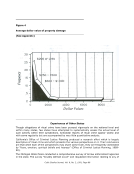
In attempting to assess the fiscal impact to the Commonwealth of property damage resulting
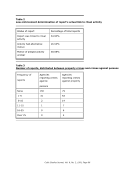
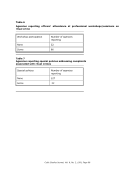
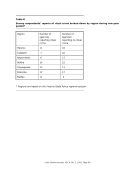
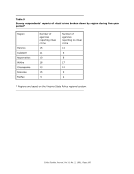
from ritual crime, law enforcement agencies were requested to report the average dollar
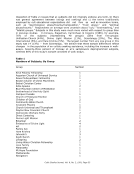
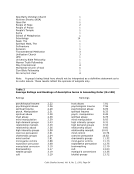
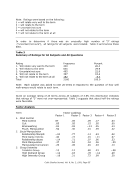
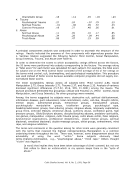
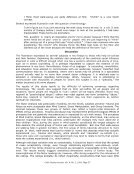
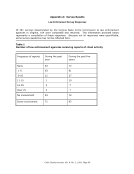
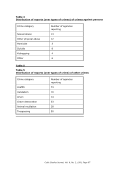
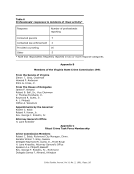
value of property damage for all ritual crimes investigated by their agency. (See Appendix A
for survey results.)
The subsequent review of data on ritual crimes provided by law enforcement agencies
indicated that many of the incidents reported as ritual crime were not conclusively determined
to be so. Consequently the level of property damage reflected by survey responses is
somewhat inflated.
To accurately reflect damage costs of established ritual crime incidents, the more serious
crimes that are not demonstrated to be occult-related should be discounted. Estimates could
then properly be limited primarily to cases involving acts of vandalism and graffiti. As such
acts are conducted for the most part in or upon abandoned property, fiscal damage would be
negligible. Because available data does not permit precise evaluation of property damage
within such constraints, survey results are being relied upon to provide a general average
figure for damage costs per incident.
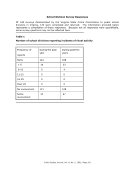
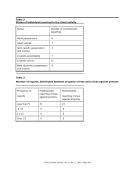
In a very few cases disproportionately high damage costs were reported, raising the overall
average. In most cases the value of damage to property was relatively small. The single
figure reported most often was 50 dollars per incident. By far, the greatest number of
respondents reported damages as being 200 dollars or less per alleged incident of ritually
related crimes against property.