9 VOLUME 7 |ISSUE 1 |2016
disclosure is unavoidable (such as a therapist’s pregnancy, size
of house, or public disclosure at conferences), it needs to be
done carefully and not burden the client or blur professional
boundaries. Research conducted by Carew (2009) in the
United Kingdom suggests that disclosures are more likely
to be experienced as helpful, and refusal to disclose may be
felt as unhelpful. For counselors, self-disclosure, along with
demonstrating an understanding of the cult experience, are
helpful to the therapeutic relationship. Dr. Martin exemplified this
type of relational counseling he served the client’s needs rather
than his own.
As a good counselor, Dr. Martin would rehabilitate rather than
debilitate the client. He discussed client goals, recognizing that
the client should set these goals at the start of the treatment
program. He also recognized that the counseling should promote
healthy relationships and independence, and be psychologically
enabling. This approach enhanced and encouraged clients’
questioning and decision making. Dr. Martin was professionally
accountable to an outside body for his work at Wellspring, and
was open about his qualifications (Crowley &Jenkinson, 2009).
He could also be gently and firmly challenging and did not let
others abuse him. One way his approach differed from traditional
counseling was that he would often intervene practically by
referring clients at Wellspring to a lawyer or doctor if necessary.
Conclusion
I was privileged to know Dr. Paul Martin. My memories of the last
evening I spent with him and his lovely wife Barbara in 2008 are
still clear. I had dinner with them at their home and then walked
through their beautiful garden, which comprised huge shrubs
and tall grass and wildflowers, with a path mowed through,
down to the pond near his brother’s house. It was hot and the
lightning bugs were dancing, their lights fading in and out, magic
(a delight to me because we do not have lightning bugs in the
United Kingdom). As we walked, he said he would “die with his
boots on.” I said, “Well, don’t die soon.” But he did, and his death
has left a huge gap in many people’s lives. But he achieved so
much in his life, counseling thousands of former members. And
his legacy lives on in his writings, his research, and in those of us
who loved him, learned from him, remember him, and pass on
our learning to others who want to know.
Thank you for affording me the privilege and honor of delivering
the Paul Martin Lecture this is the highest honor you, ICSA, could
award me. n
References
Carew, L. (2009). Does theoretical background influence therapists’
attitudes to therapist self-disclosure? A qualitative study.
Counselling and Psychotherapy Research, 9(4), 266–272.
Charmaz, K. (2014). Constructing grounded theory (2nd ed.).
London, England: Sage.
Constantine, M., &Kwan, K. (2003). Cross-cultural considerations of
therapist self-disclosure. Journal of Clinical Psychology: In Session,
59(5), 581–588. hopevalleycounselling.com
Crowley, N., &Jenkinson, G. (2009). Pathological spirituality. In C.
Cook, A. Powell, &A. Sims (Eds.), Spirituality and psychiatry (pp.
254–272). London, England: RCPsych Publications.
Storr, A. (1996). Feet of clay: A study of gurus. London, England:
Harper Collins.
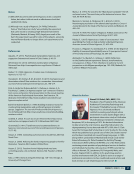
About the Author
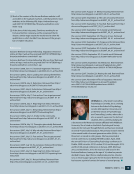
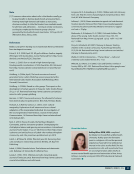
Gillie Jenkinson, MA, specializes in working with spiritual and
cultic abuse, offering psychotherapy, postcult counseling, training,
supervision, and consultancy. She facilitates a small group for
former cult members in Grindleford, United Kingdom, which meets
every 2 months. She is an international speaker and a published
author, including coauthor of chapter 13, Pathological Spirituality,
in Spirituality and Psychiatry, RCPsych Publications, 2009. Ms.
Jenkinson began work on a PhD at the University of Nottingham,
England, in the fall of 2012. Her research question is entitled
“What helps former cult members recover from an abusive cult
experience?” She is the Mental Health Editor for ICSA Today. To
contact Ms. Jenkinson, email info@hopevalleycounselling.com or
visit hopevalleycounselling.com n
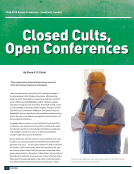
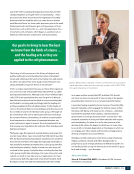
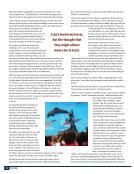
Dr. Martin exemplified this type of
relational counseling he served the
client’s needs rather than his own.
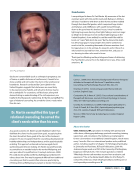
Dr. Paul Martin
disclosure is unavoidable (such as a therapist’s pregnancy, size
of house, or public disclosure at conferences), it needs to be
done carefully and not burden the client or blur professional
boundaries. Research conducted by Carew (2009) in the
United Kingdom suggests that disclosures are more likely
to be experienced as helpful, and refusal to disclose may be
felt as unhelpful. For counselors, self-disclosure, along with
demonstrating an understanding of the cult experience, are
helpful to the therapeutic relationship. Dr. Martin exemplified this
type of relational counseling he served the client’s needs rather
than his own.
As a good counselor, Dr. Martin would rehabilitate rather than
debilitate the client. He discussed client goals, recognizing that
the client should set these goals at the start of the treatment
program. He also recognized that the counseling should promote
healthy relationships and independence, and be psychologically
enabling. This approach enhanced and encouraged clients’
questioning and decision making. Dr. Martin was professionally
accountable to an outside body for his work at Wellspring, and
was open about his qualifications (Crowley &Jenkinson, 2009).
He could also be gently and firmly challenging and did not let
others abuse him. One way his approach differed from traditional
counseling was that he would often intervene practically by
referring clients at Wellspring to a lawyer or doctor if necessary.
Conclusion
I was privileged to know Dr. Paul Martin. My memories of the last
evening I spent with him and his lovely wife Barbara in 2008 are
still clear. I had dinner with them at their home and then walked
through their beautiful garden, which comprised huge shrubs
and tall grass and wildflowers, with a path mowed through,
down to the pond near his brother’s house. It was hot and the
lightning bugs were dancing, their lights fading in and out, magic
(a delight to me because we do not have lightning bugs in the
United Kingdom). As we walked, he said he would “die with his
boots on.” I said, “Well, don’t die soon.” But he did, and his death
has left a huge gap in many people’s lives. But he achieved so
much in his life, counseling thousands of former members. And
his legacy lives on in his writings, his research, and in those of us
who loved him, learned from him, remember him, and pass on
our learning to others who want to know.
Thank you for affording me the privilege and honor of delivering
the Paul Martin Lecture this is the highest honor you, ICSA, could
award me. n
References
Carew, L. (2009). Does theoretical background influence therapists’
attitudes to therapist self-disclosure? A qualitative study.
Counselling and Psychotherapy Research, 9(4), 266–272.
Charmaz, K. (2014). Constructing grounded theory (2nd ed.).
London, England: Sage.
Constantine, M., &Kwan, K. (2003). Cross-cultural considerations of
therapist self-disclosure. Journal of Clinical Psychology: In Session,
59(5), 581–588. hopevalleycounselling.com
Crowley, N., &Jenkinson, G. (2009). Pathological spirituality. In C.
Cook, A. Powell, &A. Sims (Eds.), Spirituality and psychiatry (pp.
254–272). London, England: RCPsych Publications.
Storr, A. (1996). Feet of clay: A study of gurus. London, England:
Harper Collins.
About the Author
Gillie Jenkinson, MA, specializes in working with spiritual and
cultic abuse, offering psychotherapy, postcult counseling, training,
supervision, and consultancy. She facilitates a small group for
former cult members in Grindleford, United Kingdom, which meets
every 2 months. She is an international speaker and a published
author, including coauthor of chapter 13, Pathological Spirituality,
in Spirituality and Psychiatry, RCPsych Publications, 2009. Ms.
Jenkinson began work on a PhD at the University of Nottingham,
England, in the fall of 2012. Her research question is entitled
“What helps former cult members recover from an abusive cult
experience?” She is the Mental Health Editor for ICSA Today. To
contact Ms. Jenkinson, email info@hopevalleycounselling.com or
visit hopevalleycounselling.com n
Dr. Martin exemplified this type of
relational counseling he served the
client’s needs rather than his own.
Dr. Paul Martin