31 VOLUME 7 |ISSUE 1 |2016
Award Acceptance by
Diana Pletts
Thank you so much. When I first heard that I was getting this
award, I thought it was funny, as I recalled how long so many of
you have been assisting in cult recovery, and how short a time I
have been. In the face of that, I am truly humbled to be receiving
this award. And I thank you all for your service. Without the many
efforts of ICSA, researchers, and counselors, those of us who have
emerged, and are emerging, from our cult experience would find
it hard and lonely slogging.
I want to thank Dr. Langone, and ICSA, for giving me, and the
Phoenix Project, a chance, back in 2006, so that we former
members could have a time and a place to show our works. I
also want to thank all, but especially the very first, former cult
members who bravely stood up to share their stories with others
at the conference in Denver, some of whom are here today: Arthur
Buchman, Katharina Meredith, and Gina Catena. If they had not
had the courage to present their works, the Phoenix Project would
never have existed because, without participants, there is no
Phoenix Project. So I thank you, past and present participants, one
and all.
It has been a delight to open my e-mails, or the packages that
arrive, bearing gifts of self-disclosure. I want to say that I count it a
sacred trust to present people’s works in an honest and excellent
way, as well as is possible in a temporary exhibit. I thank you for
trusting me with your works from the heart.
Thank you to the members of the Arts Committee, who are always
there with a backup for me when I need it. Thanks, too, to those
conference participants who have shown up and leant a hand
with mounting and tearing down the temporary exhibits.
I also need to thank some people who are not present: My
husband, Denny Pletts, also a former member of our group,
graciously spares me for these efforts and is not only my sounding
board regarding various challenges, but has frequently been a
fellow laborer in helping me to physically get the artwork to the
conference and the exhibit up on the walls. Our daughter, Rachel,
artistically hung last year’s exhibit, taught me how to arrange a
performance line-up, and wrote and lovingly recorded the song
Ms. Phoenix.
Finally, the late Dr. Paul Martin, of Wellspring, rather planted the
seed for this endeavor with his great interest in the arts generally
and in their utility for healing, and his dream for a way that former
members could have a forum for creating and showing their
works. I like to think that he lives on through the Phoenix Project.
In providing a forum for cult survivors to tell their stories, the
Phoenix Project lifts, as it were, the canvas of the exterior of our
lives, as in Milan Kundera’s The Unbearable Lightness of Being,
cutting through to expose the reality beneath the surface as we
seek to authentically depict the less-than-lovely truths of cult life.
If this forum of the Phoenix Project also assists the cult-recovery
field in gaining a greater understanding of the mechanics
and impacts of coercive persuasion, undue influence, and
psychological manipulation—the things that Margaret Singer
worked so courageously and diligently against herself, then I am
well pleased. As someone who has come out from under those
influences myself, I am glad to play a part in helping others if
doing so can assist them in their recoveries. I thank you for this
award. n
analytic writing. Artistic creations, with their added emotional
dimension, shed light on the reality of life in a high-demand
organization and its effects on individuals. Creating artwork also
provides an empowering experience to the artists, giving them
the chance to tell their own stories in their own ways.
By providing former cultic-group members an opportunity to
share their artistic creations, Diana has advanced understanding
of coercive persuasion, undue influence, and psychological
manipulation in a unique and singularly powerful way. For this
reason, we are proud to present her with ICSA’s 2015 Margaret T.
Singer Award.
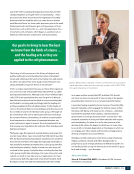
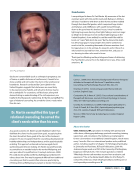
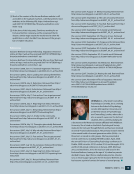
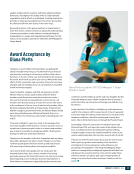
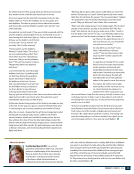
Diana Pletts accepts the 2015 ICSA Margaret T. Singer
Volunteer Award.
Award Acceptance by
Diana Pletts
Thank you so much. When I first heard that I was getting this
award, I thought it was funny, as I recalled how long so many of
you have been assisting in cult recovery, and how short a time I
have been. In the face of that, I am truly humbled to be receiving
this award. And I thank you all for your service. Without the many
efforts of ICSA, researchers, and counselors, those of us who have
emerged, and are emerging, from our cult experience would find
it hard and lonely slogging.
I want to thank Dr. Langone, and ICSA, for giving me, and the
Phoenix Project, a chance, back in 2006, so that we former
members could have a time and a place to show our works. I
also want to thank all, but especially the very first, former cult
members who bravely stood up to share their stories with others
at the conference in Denver, some of whom are here today: Arthur
Buchman, Katharina Meredith, and Gina Catena. If they had not
had the courage to present their works, the Phoenix Project would
never have existed because, without participants, there is no
Phoenix Project. So I thank you, past and present participants, one
and all.
It has been a delight to open my e-mails, or the packages that
arrive, bearing gifts of self-disclosure. I want to say that I count it a
sacred trust to present people’s works in an honest and excellent
way, as well as is possible in a temporary exhibit. I thank you for
trusting me with your works from the heart.
Thank you to the members of the Arts Committee, who are always
there with a backup for me when I need it. Thanks, too, to those
conference participants who have shown up and leant a hand
with mounting and tearing down the temporary exhibits.
I also need to thank some people who are not present: My
husband, Denny Pletts, also a former member of our group,
graciously spares me for these efforts and is not only my sounding
board regarding various challenges, but has frequently been a
fellow laborer in helping me to physically get the artwork to the
conference and the exhibit up on the walls. Our daughter, Rachel,
artistically hung last year’s exhibit, taught me how to arrange a
performance line-up, and wrote and lovingly recorded the song
Ms. Phoenix.
Finally, the late Dr. Paul Martin, of Wellspring, rather planted the
seed for this endeavor with his great interest in the arts generally
and in their utility for healing, and his dream for a way that former
members could have a forum for creating and showing their
works. I like to think that he lives on through the Phoenix Project.
In providing a forum for cult survivors to tell their stories, the
Phoenix Project lifts, as it were, the canvas of the exterior of our
lives, as in Milan Kundera’s The Unbearable Lightness of Being,
cutting through to expose the reality beneath the surface as we
seek to authentically depict the less-than-lovely truths of cult life.
If this forum of the Phoenix Project also assists the cult-recovery
field in gaining a greater understanding of the mechanics
and impacts of coercive persuasion, undue influence, and
psychological manipulation—the things that Margaret Singer
worked so courageously and diligently against herself, then I am
well pleased. As someone who has come out from under those
influences myself, I am glad to play a part in helping others if
doing so can assist them in their recoveries. I thank you for this
award. n
analytic writing. Artistic creations, with their added emotional
dimension, shed light on the reality of life in a high-demand
organization and its effects on individuals. Creating artwork also
provides an empowering experience to the artists, giving them
the chance to tell their own stories in their own ways.
By providing former cultic-group members an opportunity to
share their artistic creations, Diana has advanced understanding
of coercive persuasion, undue influence, and psychological
manipulation in a unique and singularly powerful way. For this
reason, we are proud to present her with ICSA’s 2015 Margaret T.
Singer Award.
Diana Pletts accepts the 2015 ICSA Margaret T. Singer
Volunteer Award.