29 VOLUME 7 |ISSUE 1 |2016
Notes
[1] MKULTRA documents did not find hypnosis to be a complete
failure, but rather it did not reach an effectiveness level that
satisfied CIA criteria.
[2] Although not a study of hypnosis, Dr. Phillip Zimbardo’s
famous “Stanford prison study” was probably the experiment
that came closest to creating a high-demand environment
(Zimbardo, Maslach, &Haney, 2000) largely as a result of the
harm this experiment caused for some of the subjects, university
Internal Review Boards no longer allow such experiments to be
conducted.
References
Aguado, J. F. (2015). Psychological manipulation, hypnosis, and
suggestion. International Journal of Cultic Studies, 6, 48–59.
APA Division 30. (2014). Definition and description of hypnosis.
Retrieved from http://www.apadivisions.org/division-30/about/
index.aspx
Barber, T. X. (1999). Hypnosis: A mature view. Contemporary
Hypnosis, 16, 123–127.
Cleveland, J. M., Korman, B. M., &Gold, S. N. (2015). Are hypnosis and
dissociation related? New evidence for a connection. International
Journal of Clinical and Experimental Hypnosis, 63, 198–214.
Dole, A., Eichel (né Dubrow-Eichel), S., Dubrow, L., Hassan, S., &
Frischholz, E. (2000). Can hypnosis explain “cult” conversion? Evidence
from science and practice. Panel presentation to the annual meeting
of the American Psychological Association, San Francisco, CA.
Abstracts retrieved from http://www.icsahome.com/articles/can-
hypnosis-explain-eichel
Eichel (né Dubrow-Eichel), S. (1985). Building resistance: Tactics for
counteracting manipulation and unethical hypnosis in totalistic
groups. Suggestion: The Journal of Professional &Ethical Hypnosis, 1,
34–44. Retrieved from http://www.icsahome.com/articles/building-
resistance-eichel
Gottlieb, A. (2002). A touch too much. Retrieved from http://www.
metroactive.com/papers/metro/10.10.02/wickram-0241.html
Gruenwald, D. (1971). Transference and countertransference in
hypnosis. International Journal of Clinical and Experimental Hypnosis,
19, 71–82.
Hassan, S. (1989). Combatting cult mind control. South Paris, ME: Park
Street Press.
Hassan, S. (2000). Releasing the bonds: Empowering people to think for
themselves. Newton, MA: Freedom of Mind Press.
Hassan, S. (2012). Freedom of mind: Helping loved ones leave
controlling people, cults and beliefs. Newton, MA: Freedom of Mind
Press.
Katz, L. (1987). Bad acts and guilty minds (pp. 128–133). Chicago, IL:
University of Chicago Press.
Marks, J. D. (1991) The search for the “Manchurian Candidate”: The CIA
and mind control: The secret history of the behavioral sciences. New
York, NY: W. W. Norton.
Mazzoni, G., Venneri, A., McGeown, W. J., &Kirsch, I. (2013).
Neuroimaging resolution of the altered state hypothesis. Cortex: A
Journal Devoted to the Study of the Nervous System and Behavior, 49,
400–410.
Orne, M. T. (1959). The nature of hypnosis: Artifact and essence. The
Journal of Abnormal and Social Psychology, 58, 277–299.
Pekala, R. J. (2015). Hypnosis as a “state of consciousness”: How
quantifying the mind can help us better understand hypnosis.
American Journal of Clinical Hypnosis, 57, 402–424.
Piccione, C., Hilgard, E. R., &Zimbardo, P. G. (1989). On the degree of
stability of measured hypnotizability over a 25-year period. Journal
of Personality and Social Psychology, 56, 289–295.
Zimbardo, P. G., Maslach, C., &Haney, C. (2000). Reflections
on the Stanford prison experiment: Genesis, transformations,
consequences. In Blass, T. (Ed.). Obedience to authority: Current
perspectives on the Milgram paradigm (pp. 193–238). Mahwah, NJ:
Lawrence Erlbaum Associates.
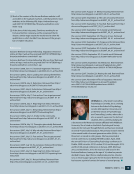
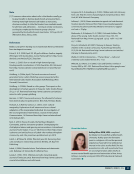
About the Author
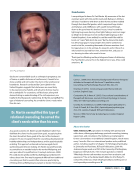
Steve K. D. Eichel, PhD., ABPP, ICSA
President, is Past-President of the American
Academy of Counseling Psychology and
the Greater Philadelphia Society of Clinical
Hypnosis. He is a licensed and Board-
certified counseling psychologist whose
involvement in cultic studies began with a
participant-observation study of Unification
Church training in its Eastern seminary (in
Barrytown, NY) in the spring of 1975. His doctoral dissertation
to date remains the only intensive, quantified observation of a
deprogramming. He was honored with AFF’s 1990 John G. Clark
Award for Distinguished Scholarship in Cultic Studies for this study,
which was published as a special issue of the Cultic Studies Journal
and has been translated into several foreign languages. In 1983,
along with Dr. Linda Dubrow-Marshall and clinical social worker
Roberta Eisenberg, Dr. Eichel founded the Re-Entry Therapy,
Information &Referral Network (RETIRN), one of the field’s oldest
continuing private providers of psychological services to families
and individuals harmed by cultic practices. RETIRN currently has
offices in Newark, DE, Lansdowne, PA, Pontypridd, Wales, and
Buxton, England (UK). In addition to his psychology practice
and his involvement with ICSA, Dr. Eichel is active in a range of
professional associations. He has coauthored several articles and
book reviews on cult-related topics for the CSJ/CSR. n
Notes
[1] MKULTRA documents did not find hypnosis to be a complete
failure, but rather it did not reach an effectiveness level that
satisfied CIA criteria.
[2] Although not a study of hypnosis, Dr. Phillip Zimbardo’s
famous “Stanford prison study” was probably the experiment
that came closest to creating a high-demand environment
(Zimbardo, Maslach, &Haney, 2000) largely as a result of the
harm this experiment caused for some of the subjects, university
Internal Review Boards no longer allow such experiments to be
conducted.
References
Aguado, J. F. (2015). Psychological manipulation, hypnosis, and
suggestion. International Journal of Cultic Studies, 6, 48–59.
APA Division 30. (2014). Definition and description of hypnosis.
Retrieved from http://www.apadivisions.org/division-30/about/
index.aspx
Barber, T. X. (1999). Hypnosis: A mature view. Contemporary
Hypnosis, 16, 123–127.
Cleveland, J. M., Korman, B. M., &Gold, S. N. (2015). Are hypnosis and
dissociation related? New evidence for a connection. International
Journal of Clinical and Experimental Hypnosis, 63, 198–214.
Dole, A., Eichel (né Dubrow-Eichel), S., Dubrow, L., Hassan, S., &
Frischholz, E. (2000). Can hypnosis explain “cult” conversion? Evidence
from science and practice. Panel presentation to the annual meeting
of the American Psychological Association, San Francisco, CA.
Abstracts retrieved from http://www.icsahome.com/articles/can-
hypnosis-explain-eichel
Eichel (né Dubrow-Eichel), S. (1985). Building resistance: Tactics for
counteracting manipulation and unethical hypnosis in totalistic
groups. Suggestion: The Journal of Professional &Ethical Hypnosis, 1,
34–44. Retrieved from http://www.icsahome.com/articles/building-
resistance-eichel
Gottlieb, A. (2002). A touch too much. Retrieved from http://www.
metroactive.com/papers/metro/10.10.02/wickram-0241.html
Gruenwald, D. (1971). Transference and countertransference in
hypnosis. International Journal of Clinical and Experimental Hypnosis,
19, 71–82.
Hassan, S. (1989). Combatting cult mind control. South Paris, ME: Park
Street Press.
Hassan, S. (2000). Releasing the bonds: Empowering people to think for
themselves. Newton, MA: Freedom of Mind Press.
Hassan, S. (2012). Freedom of mind: Helping loved ones leave
controlling people, cults and beliefs. Newton, MA: Freedom of Mind
Press.
Katz, L. (1987). Bad acts and guilty minds (pp. 128–133). Chicago, IL:
University of Chicago Press.
Marks, J. D. (1991) The search for the “Manchurian Candidate”: The CIA
and mind control: The secret history of the behavioral sciences. New
York, NY: W. W. Norton.
Mazzoni, G., Venneri, A., McGeown, W. J., &Kirsch, I. (2013).
Neuroimaging resolution of the altered state hypothesis. Cortex: A
Journal Devoted to the Study of the Nervous System and Behavior, 49,
400–410.
Orne, M. T. (1959). The nature of hypnosis: Artifact and essence. The
Journal of Abnormal and Social Psychology, 58, 277–299.
Pekala, R. J. (2015). Hypnosis as a “state of consciousness”: How
quantifying the mind can help us better understand hypnosis.
American Journal of Clinical Hypnosis, 57, 402–424.
Piccione, C., Hilgard, E. R., &Zimbardo, P. G. (1989). On the degree of
stability of measured hypnotizability over a 25-year period. Journal
of Personality and Social Psychology, 56, 289–295.
Zimbardo, P. G., Maslach, C., &Haney, C. (2000). Reflections
on the Stanford prison experiment: Genesis, transformations,
consequences. In Blass, T. (Ed.). Obedience to authority: Current
perspectives on the Milgram paradigm (pp. 193–238). Mahwah, NJ:
Lawrence Erlbaum Associates.
About the Author
Steve K. D. Eichel, PhD., ABPP, ICSA
President, is Past-President of the American
Academy of Counseling Psychology and
the Greater Philadelphia Society of Clinical
Hypnosis. He is a licensed and Board-
certified counseling psychologist whose
involvement in cultic studies began with a
participant-observation study of Unification
Church training in its Eastern seminary (in
Barrytown, NY) in the spring of 1975. His doctoral dissertation
to date remains the only intensive, quantified observation of a
deprogramming. He was honored with AFF’s 1990 John G. Clark
Award for Distinguished Scholarship in Cultic Studies for this study,
which was published as a special issue of the Cultic Studies Journal
and has been translated into several foreign languages. In 1983,
along with Dr. Linda Dubrow-Marshall and clinical social worker
Roberta Eisenberg, Dr. Eichel founded the Re-Entry Therapy,
Information &Referral Network (RETIRN), one of the field’s oldest
continuing private providers of psychological services to families
and individuals harmed by cultic practices. RETIRN currently has
offices in Newark, DE, Lansdowne, PA, Pontypridd, Wales, and
Buxton, England (UK). In addition to his psychology practice
and his involvement with ICSA, Dr. Eichel is active in a range of
professional associations. He has coauthored several articles and
book reviews on cult-related topics for the CSJ/CSR. n