15 VOLUME 7 |ISSUE 1 |2016
actually know what to do next. … Anyone who’s opened
a cage door for an animal will recognise the situation.
Mostly, however much you think they’ll run, they hang
back in a corner. (the survivor, July 19, 2007)
At this point it comes forcibly to my attention that I
was absent for many lessons in life. I have some serious
catching up to do… (the survivor, July 21, 2007)
David also receives warnings of terrible consequences:
After I had stated that I was intending to leave the
brethren, I had many dark warnings about the cold
hard world outside, telling me that there was nobody
caring, that everybody was, at base, selfish and nasty and
ready to use me for what they could get and treat me as
disposable afterwards. (the survivor, September 27, 2007)
What Helped Him to Leave
David finds writing his blog enormously helpful and comforting:
“Writing about something that troubles me helps to clear my
thoughts…” and “I expect to find myself quietly ushered out of the
fellowship. I also expect to gain consolation from documenting the
process” (the survivor, July 12a, 2007).
And, even before he actually walks away, David discovers that life
outside is not as the Brethren would have him believe. In particular,
he finds that new friends can be made—myself, for one:
One positive thing I have learned is that friends are not
irreplaceable. (the survivor, July 3b, 2007)
I have been fortunate in having already experienced the
kindness of strangers before ever leaving, which gave me
the courage to make the break, and I have found so much
more since. (the survivor, Sept. 30, 2007)
Once David leaves, his blog begins to record milestones (the
survivor, September 30, 2007):
• Finding a flat
• Telling his parents
• Settling in
• First weekend
• Problems of life—clutter, food, money
• First visit to the proms
• Doing “forbidden and morally dangerous things”
• First non-EB visitor
• Being a host for the first time
• Still feeling out of place at a party
Lots of other firsts follow in quick succession:
• Holiday
• Birthday out
• Visit to the circus
• Bonfire night
• Christmas
• Visit to family
• Trip to Scotland
• Attendance at a marriage outside
• Religious service since leaving
• Music gig
• Trip to the funfair
• Flying lesson
What Was Hard About the Beginning
David doesn’t want to be alone but is aware that he has missed
many stages of social development:
I don’t want to stay a recluse all my life…. But getting out
and into interaction does prove slightly problematical.
There are metaphorical billboards every other step that
say “Stop! You don’t know what you’re doing!”. Ok, they
come from within my head, but they remain quite real.
Social activities have rules that are very strong even
though they’re unacknowledged. Some social situations,
especially, seem almost like dances, with step following
step reliant on each party knowing what comes next. And
I find myself totally untrained in the basics, let alone the
niceties.
…Surely, though, most people by my age have at least
developed coping mechanisms, and have learned
what to do in the majority of commonly encountered
situations. I’m still encountering most of them for the first
time. I wish there was a crash course in what people are
expecting of me. (the survivor, September 2, 2007)
Rather poignantly, he talks about the affection his family shared—
something he was part of for more than thirty years:
A day without a hug in my parents’ home was rare, even
though I often had the impression that we were unusual
in that respect. We were a close family, and I imagine they
still are. (the survivor, November 9, 2007)
Notice that last sentence. “We” followed by “they.” It’s been
three months now, and that doesn’t get any easier. I’ve
had regular visits from brethren, … but the people I care
for most have stayed away, … some of the family, I know,
find the situation so painful that I’m not sure whether
seeing me in my changed position would make it better
or worse. (the survivor, November 9, 2007)
He is experiencing mixed emotions—guilt, feeling bad, feeling
good, sadness, happiness—as he calls it, a real muddle of positive
and negative.
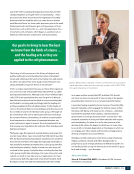
“I wish there was a crash course in
what people are expecting of me.”
actually know what to do next. … Anyone who’s opened
a cage door for an animal will recognise the situation.
Mostly, however much you think they’ll run, they hang
back in a corner. (the survivor, July 19, 2007)
At this point it comes forcibly to my attention that I
was absent for many lessons in life. I have some serious
catching up to do… (the survivor, July 21, 2007)
David also receives warnings of terrible consequences:
After I had stated that I was intending to leave the
brethren, I had many dark warnings about the cold
hard world outside, telling me that there was nobody
caring, that everybody was, at base, selfish and nasty and
ready to use me for what they could get and treat me as
disposable afterwards. (the survivor, September 27, 2007)
What Helped Him to Leave
David finds writing his blog enormously helpful and comforting:
“Writing about something that troubles me helps to clear my
thoughts…” and “I expect to find myself quietly ushered out of the
fellowship. I also expect to gain consolation from documenting the
process” (the survivor, July 12a, 2007).
And, even before he actually walks away, David discovers that life
outside is not as the Brethren would have him believe. In particular,
he finds that new friends can be made—myself, for one:
One positive thing I have learned is that friends are not
irreplaceable. (the survivor, July 3b, 2007)
I have been fortunate in having already experienced the
kindness of strangers before ever leaving, which gave me
the courage to make the break, and I have found so much
more since. (the survivor, Sept. 30, 2007)
Once David leaves, his blog begins to record milestones (the
survivor, September 30, 2007):
• Finding a flat
• Telling his parents
• Settling in
• First weekend
• Problems of life—clutter, food, money
• First visit to the proms
• Doing “forbidden and morally dangerous things”
• First non-EB visitor
• Being a host for the first time
• Still feeling out of place at a party
Lots of other firsts follow in quick succession:
• Holiday
• Birthday out
• Visit to the circus
• Bonfire night
• Christmas
• Visit to family
• Trip to Scotland
• Attendance at a marriage outside
• Religious service since leaving
• Music gig
• Trip to the funfair
• Flying lesson
What Was Hard About the Beginning
David doesn’t want to be alone but is aware that he has missed
many stages of social development:
I don’t want to stay a recluse all my life…. But getting out
and into interaction does prove slightly problematical.
There are metaphorical billboards every other step that
say “Stop! You don’t know what you’re doing!”. Ok, they
come from within my head, but they remain quite real.
Social activities have rules that are very strong even
though they’re unacknowledged. Some social situations,
especially, seem almost like dances, with step following
step reliant on each party knowing what comes next. And
I find myself totally untrained in the basics, let alone the
niceties.
…Surely, though, most people by my age have at least
developed coping mechanisms, and have learned
what to do in the majority of commonly encountered
situations. I’m still encountering most of them for the first
time. I wish there was a crash course in what people are
expecting of me. (the survivor, September 2, 2007)
Rather poignantly, he talks about the affection his family shared—
something he was part of for more than thirty years:
A day without a hug in my parents’ home was rare, even
though I often had the impression that we were unusual
in that respect. We were a close family, and I imagine they
still are. (the survivor, November 9, 2007)
Notice that last sentence. “We” followed by “they.” It’s been
three months now, and that doesn’t get any easier. I’ve
had regular visits from brethren, … but the people I care
for most have stayed away, … some of the family, I know,
find the situation so painful that I’m not sure whether
seeing me in my changed position would make it better
or worse. (the survivor, November 9, 2007)
He is experiencing mixed emotions—guilt, feeling bad, feeling
good, sadness, happiness—as he calls it, a real muddle of positive
and negative.
“I wish there was a crash course in
what people are expecting of me.”