8 ICSA TODAY
This qualitative study uses an inductive, constructivist,
grounded-theory methodology (Charmaz, 2014) to investigate
former cult members’ understanding of what helped
them recover and of their life postcult, as recorded during
unstructured interviews. I recruited a specialist convenience
sample of 30 participants (18 women and 12 men) through
advertisement or their status as attendees at a specialist
conference, and by snowballing.
A Good Leader
We hear a great deal in the cultic-studies field about leaders who
abuse, and former members report that the leader is often a key
component in the abuse that occurs in a cult. I would like to raise
the vital issue of how we recognize a good leader, and suggest
we need to learn whom to trust in order that we can heal and
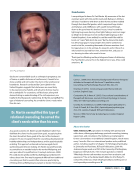
grow. Dr. Martin was a good leader for me—not perfect, but an
exceptional example of a good leader.
Dr. Martin was focused, determined, and a fierce fighter for
others. He spoke up for the voiceless and those damaged by
cults. Certain groups constantly harassed him (one group hired
a helicopter to find Wellspring, and then harassed him with
lawyers’ letters and in person—Wellspring had to install gates
to protect the staff and clients). He served as an expert witness
in some high-profile legal cases, including terrorist cases. He
could definitely show his teeth, but he was also gentle and
understanding. It is helpful for former members to realize there
are such things as genuine, caring people who are good leaders,
as Dr. Martin was.
When they leave their cults, former members have to humanize
their cult leaders, seeing them for what they are, and doing this
can result in grief and rage: grief at the loss of their love of the
leaders, and rage at the abuse and the discovery that the leaders
were not the gods they were purported to be. Feelings of loss of
hope and ideals can result, quickly followed by feelings of shame
and humiliation at having believed such lies.
In his book Feet of Clay: A Study of Gurus (1996), psychiatrist
Anthony Storr reflects on leadership. He notes that it is
understandable that people surrender to a “god” or abstract
guiding principle that is seductive and sometimes valuable. He
warns that the kinds of leaders that should be avoided
• are authoritarian
• are paranoid and encourage an “us and them” mentality
• expect surrender (which is fraught with risk)
• direct important decisions about converts’ lives (e.g.,
money, dress, personal possessions, and sexual partners)
• cut themselves off geographically or socially and
• are not personally or psychologically available. (pp. 221–222)
Storr notes that it may be easier to point to those who should be
avoided than to recommend reliable mentors, although I don’t
think doing this is easier for former members they are often
confused by the leadership issue and therefore may miss out on
those who will be beneficial for them and are trustworthy. Storr
points out that the best teachers of adults
• are nonauthoritarian
• inform, suggest, advise
• ultimately realize all individuals are different and have to
form their own paths, ideas, and opinions
• are delighted when former pupils go beyond what they
have taught them and
• are more interested in his subject and pupil than in
themselves. (pp. 224–225)
When looking for a good leader, look for people with these
qualities. If you need guidance, then look for someone who will
listen and not preach at you, who will encourage you to look
inward in order that you get in touch with what you want to do,
and who affirms your thinking and beliefs as a unique individual.
Dr. Paul Martin exhibited all of these attributes, in my opinion.
I think mentors are a great gift to us, and after his death, I
sought further mentors to turn to because there is a great pool
of people in ICSA. I particularly chose Bill and Lorna Goldberg,
who thankfully also responded kindly to my approach! These
relationships have been of untold value to me and have enriched
my life beyond words. As I look back over the rushing years, I am
so glad I had the wisdom to take that first step of finding a good
mentor and leader in my life, Dr. Martin.
A Wonderful Counselor
Another challenge that former cult members struggle with
is finding a “good enough” counselor. Cults often use abusive
counseling practices to control their members, which makes
finding a trustworthy counselor harder for them. And if someone
has been a member of a psychotherapy cult or has received
counseling within the cult, then that challenge is greatly
increased.
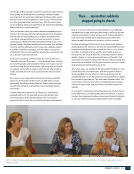
Dr. Martin really cared. As I said, he could be a giant publicly and
in court, but he placed himself on the same level as his clients.
He was both professional and human, maintaining boundaries
but not hiding behind masks. He could also be challenging to
clients, in consideration of their own interests.
It is helpful for former members to hear other former-member
stories. Dr. Martin was a former cult member and would
often self-disclose about that experience. I observed that this
approach was very helpful in reducing shame and humiliation
for his clients, and his knowing what they had been through
increased their trust in him.
Self-disclosure refers to behaviors “either verbal or nonverbal
that reveal personal information about therapists themselves
to their clients” (Constantine &Kwan, 2003). While some self-
Cults often use abusive counseling
practices to control their members,
which makes finding a trustworthy
counselor harder for them.
This qualitative study uses an inductive, constructivist,
grounded-theory methodology (Charmaz, 2014) to investigate
former cult members’ understanding of what helped
them recover and of their life postcult, as recorded during
unstructured interviews. I recruited a specialist convenience
sample of 30 participants (18 women and 12 men) through
advertisement or their status as attendees at a specialist
conference, and by snowballing.
A Good Leader
We hear a great deal in the cultic-studies field about leaders who
abuse, and former members report that the leader is often a key
component in the abuse that occurs in a cult. I would like to raise
the vital issue of how we recognize a good leader, and suggest
we need to learn whom to trust in order that we can heal and
grow. Dr. Martin was a good leader for me—not perfect, but an
exceptional example of a good leader.
Dr. Martin was focused, determined, and a fierce fighter for
others. He spoke up for the voiceless and those damaged by
cults. Certain groups constantly harassed him (one group hired
a helicopter to find Wellspring, and then harassed him with
lawyers’ letters and in person—Wellspring had to install gates
to protect the staff and clients). He served as an expert witness
in some high-profile legal cases, including terrorist cases. He
could definitely show his teeth, but he was also gentle and
understanding. It is helpful for former members to realize there
are such things as genuine, caring people who are good leaders,
as Dr. Martin was.
When they leave their cults, former members have to humanize
their cult leaders, seeing them for what they are, and doing this
can result in grief and rage: grief at the loss of their love of the
leaders, and rage at the abuse and the discovery that the leaders
were not the gods they were purported to be. Feelings of loss of
hope and ideals can result, quickly followed by feelings of shame
and humiliation at having believed such lies.
In his book Feet of Clay: A Study of Gurus (1996), psychiatrist
Anthony Storr reflects on leadership. He notes that it is
understandable that people surrender to a “god” or abstract
guiding principle that is seductive and sometimes valuable. He
warns that the kinds of leaders that should be avoided
• are authoritarian
• are paranoid and encourage an “us and them” mentality
• expect surrender (which is fraught with risk)
• direct important decisions about converts’ lives (e.g.,
money, dress, personal possessions, and sexual partners)
• cut themselves off geographically or socially and
• are not personally or psychologically available. (pp. 221–222)
Storr notes that it may be easier to point to those who should be
avoided than to recommend reliable mentors, although I don’t
think doing this is easier for former members they are often
confused by the leadership issue and therefore may miss out on
those who will be beneficial for them and are trustworthy. Storr
points out that the best teachers of adults
• are nonauthoritarian
• inform, suggest, advise
• ultimately realize all individuals are different and have to
form their own paths, ideas, and opinions
• are delighted when former pupils go beyond what they
have taught them and
• are more interested in his subject and pupil than in
themselves. (pp. 224–225)
When looking for a good leader, look for people with these
qualities. If you need guidance, then look for someone who will
listen and not preach at you, who will encourage you to look
inward in order that you get in touch with what you want to do,
and who affirms your thinking and beliefs as a unique individual.
Dr. Paul Martin exhibited all of these attributes, in my opinion.
I think mentors are a great gift to us, and after his death, I
sought further mentors to turn to because there is a great pool
of people in ICSA. I particularly chose Bill and Lorna Goldberg,
who thankfully also responded kindly to my approach! These
relationships have been of untold value to me and have enriched
my life beyond words. As I look back over the rushing years, I am
so glad I had the wisdom to take that first step of finding a good
mentor and leader in my life, Dr. Martin.
A Wonderful Counselor
Another challenge that former cult members struggle with
is finding a “good enough” counselor. Cults often use abusive
counseling practices to control their members, which makes
finding a trustworthy counselor harder for them. And if someone
has been a member of a psychotherapy cult or has received
counseling within the cult, then that challenge is greatly
increased.
Dr. Martin really cared. As I said, he could be a giant publicly and
in court, but he placed himself on the same level as his clients.
He was both professional and human, maintaining boundaries
but not hiding behind masks. He could also be challenging to
clients, in consideration of their own interests.
It is helpful for former members to hear other former-member
stories. Dr. Martin was a former cult member and would
often self-disclose about that experience. I observed that this
approach was very helpful in reducing shame and humiliation
for his clients, and his knowing what they had been through
increased their trust in him.
Self-disclosure refers to behaviors “either verbal or nonverbal
that reveal personal information about therapists themselves
to their clients” (Constantine &Kwan, 2003). While some self-
Cults often use abusive counseling
practices to control their members,
which makes finding a trustworthy
counselor harder for them.