7 VOLUME 7 |ISSUE 1 |2016
Meeting Dr. Martin and Going to Wellspring
I left an abusive, Bible-based cult, The Love of God Community,
Birmingham, England, in 1981 with Tony, whom I married
3 months later. We did not understand what a cult was and
continued to “cult hop” for another 14 years.
When I finally left abusive church situations, in 1995, I started
training as a pastoral counselor. I entered into personal
counseling at that time and began to learn how to work with
any sort of client. My final dissertation was entitled What Does
a Pastoral Counsellor Need to Know About Cults and Ex-Cult
Members in Order to Be an Effective Helper? At the end of the
course, someone gave me a gift of money to contribute to my
attendance at my first AFF (ICSA) conference. My adventure into
the cultic-studies field began. I flew to Chicago. The conference
was entitled “Jonestown 20 Years On: What Have We Learned?”
I heard Dr. Martin speak. He was angry. I couldn’t believe that
someone was expressing strongly and passionately what I felt.
His lack of fear was stunning for me because I was at that time
afraid of saying what I thought—I had been constantly crushed
within the cultic situations. He was also saying that he was
angry that Christians seemed to think that the antidote to the
cult experience was for people to convert to Christianity. As a
Christian himself, he might have agreed with that view but he
was expressing something quite different. Having been on the
other end of churches telling Tony and me that our healing would
come through evangelizing for them (hard to imagine, isn’t it?), I
was so relieved to hear Dr. Martin.
After the conference, I contacted Wellspring and asked whether
they took interns. Following my counseling training, I knew that
I needed to learn to work with former members. I knew doing
so required more than my being a former member in fact, I was
aware of the dangers of conflating my experience with that of
other former members I knew that I needed to objectify my
experience to fully meet others in their own story. Wellspring
agreed to my internship, and I believe I was one of its first interns.
I went to Wellspring with my daughter, who was then 10, in
August the following year, 1999. We had a wonderful adventure,
staying for one whole month and living in the local town in a
beautiful old B&B. I spent the days at the Norwegian-style lodge
built by Dr. Martin and his wife, Barbara. The lodge was beautiful,
as were the surroundings. The daughter of a member of the staff
looked after my daughter.
Wellspring was located in the foothills of the Appalachians. The
weather was hot and sunny there were flowers on the deck
and huge butterflies, and the Martins’ friendly dogs ran around
adding to the warmth and homeliness of the experience. The
clients generously allowed me to sit in on their 2-hour morning
counseling sessions with Dr. Martin or Dr. Ron Burks. In the
afternoons, I joined in on the psychoeducational workshops, run
by Larry Pile. I learned from the Residential Coordinators, who
stayed overnight, cooked meals, and supported the clients in
many ways, including talking with them in the night if necessary.
I also spoke to the office staff, who generously shared as much
information as was ethically possible. On that trip, I learned the
base of all I know about working with former members, and the
outcome was that I adopted both the Wellspring thought-reform
model and Dr. Martin as my mentor—with which, thankfully, he
willingly complied!
In 2005, I completed a 4-year master’s degree in gestalt
psychotherapy. My dissertation research was with eight former
cult members, whom I asked, “What helps former cult members
recover from an abusive cult experience?” I returned to Wellspring
for 2 weeks in 2008, where I worked pro bono alongside Dr.
Martin, who supervised me. Again I learned a great deal.
I realize in retrospect that Dr. Martin was already ill. I heard in the
fall of 2008 that he was in the hospital with pneumonia, and later
he was diagnosed with leukemia. He died, after a heroic battle,
in August 2009. I was devastated. I had learned so much and
been so encouraged by him that I was determined to continue
the work. We even named the UK charity we set up EnCourage
Survivors of Cults and Abuse because of the encouragement
he always gave. To encourage means to hearten, cheer, uplift,
inspire, motivate, embolden. The word speaks to giving courage
to—all very necessary in the challenging work I (we) do with
former members.
As a result of Dr. Martin’s death and the lack of funding for a
residential center in the United Kingdom, I started to deliver a
form of counseling that I named Post-Cult CounsellingHVC. I
added to the regular counseling model a retreat component,
which I called Time Away in the Peak District (Peak District is the
national park where I live). Instead of clients staying in a lodge,
they stay locally in a B&B, hotel, or holiday cottage. The clients
visit me for varying lengths of time—2 weeks, a weekend a few
times a year—whatever suits their budget and my time. This
counseling model has proved a popular approach to counseling
former members, and the feedback has been positive. Wellspring
sold the lodge following Dr. Martin’s death, and it now offers a
similar model of counseling in Athens, Ohio.
In 2012, I embarked on a doctoral research program at the
University of Nottingham and have continued my investigation
into what postcult life is like, and what helps former members.
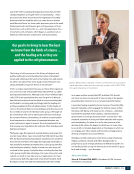
His lack of fear was stunning for me
because I was at that time afraid of
saying what I thought…
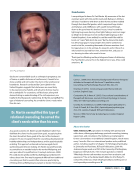
He could definitely show his teeth, but
he was also gentle and understanding.
Meeting Dr. Martin and Going to Wellspring
I left an abusive, Bible-based cult, The Love of God Community,
Birmingham, England, in 1981 with Tony, whom I married
3 months later. We did not understand what a cult was and
continued to “cult hop” for another 14 years.
When I finally left abusive church situations, in 1995, I started
training as a pastoral counselor. I entered into personal
counseling at that time and began to learn how to work with
any sort of client. My final dissertation was entitled What Does
a Pastoral Counsellor Need to Know About Cults and Ex-Cult
Members in Order to Be an Effective Helper? At the end of the
course, someone gave me a gift of money to contribute to my
attendance at my first AFF (ICSA) conference. My adventure into
the cultic-studies field began. I flew to Chicago. The conference
was entitled “Jonestown 20 Years On: What Have We Learned?”
I heard Dr. Martin speak. He was angry. I couldn’t believe that
someone was expressing strongly and passionately what I felt.
His lack of fear was stunning for me because I was at that time
afraid of saying what I thought—I had been constantly crushed
within the cultic situations. He was also saying that he was
angry that Christians seemed to think that the antidote to the
cult experience was for people to convert to Christianity. As a
Christian himself, he might have agreed with that view but he
was expressing something quite different. Having been on the
other end of churches telling Tony and me that our healing would
come through evangelizing for them (hard to imagine, isn’t it?), I
was so relieved to hear Dr. Martin.
After the conference, I contacted Wellspring and asked whether
they took interns. Following my counseling training, I knew that
I needed to learn to work with former members. I knew doing
so required more than my being a former member in fact, I was
aware of the dangers of conflating my experience with that of
other former members I knew that I needed to objectify my
experience to fully meet others in their own story. Wellspring
agreed to my internship, and I believe I was one of its first interns.
I went to Wellspring with my daughter, who was then 10, in
August the following year, 1999. We had a wonderful adventure,
staying for one whole month and living in the local town in a
beautiful old B&B. I spent the days at the Norwegian-style lodge
built by Dr. Martin and his wife, Barbara. The lodge was beautiful,
as were the surroundings. The daughter of a member of the staff
looked after my daughter.
Wellspring was located in the foothills of the Appalachians. The
weather was hot and sunny there were flowers on the deck
and huge butterflies, and the Martins’ friendly dogs ran around
adding to the warmth and homeliness of the experience. The
clients generously allowed me to sit in on their 2-hour morning
counseling sessions with Dr. Martin or Dr. Ron Burks. In the
afternoons, I joined in on the psychoeducational workshops, run
by Larry Pile. I learned from the Residential Coordinators, who
stayed overnight, cooked meals, and supported the clients in
many ways, including talking with them in the night if necessary.
I also spoke to the office staff, who generously shared as much
information as was ethically possible. On that trip, I learned the
base of all I know about working with former members, and the
outcome was that I adopted both the Wellspring thought-reform
model and Dr. Martin as my mentor—with which, thankfully, he
willingly complied!
In 2005, I completed a 4-year master’s degree in gestalt
psychotherapy. My dissertation research was with eight former
cult members, whom I asked, “What helps former cult members
recover from an abusive cult experience?” I returned to Wellspring
for 2 weeks in 2008, where I worked pro bono alongside Dr.
Martin, who supervised me. Again I learned a great deal.
I realize in retrospect that Dr. Martin was already ill. I heard in the
fall of 2008 that he was in the hospital with pneumonia, and later
he was diagnosed with leukemia. He died, after a heroic battle,
in August 2009. I was devastated. I had learned so much and
been so encouraged by him that I was determined to continue
the work. We even named the UK charity we set up EnCourage
Survivors of Cults and Abuse because of the encouragement
he always gave. To encourage means to hearten, cheer, uplift,
inspire, motivate, embolden. The word speaks to giving courage
to—all very necessary in the challenging work I (we) do with
former members.
As a result of Dr. Martin’s death and the lack of funding for a
residential center in the United Kingdom, I started to deliver a
form of counseling that I named Post-Cult CounsellingHVC. I
added to the regular counseling model a retreat component,
which I called Time Away in the Peak District (Peak District is the
national park where I live). Instead of clients staying in a lodge,
they stay locally in a B&B, hotel, or holiday cottage. The clients
visit me for varying lengths of time—2 weeks, a weekend a few
times a year—whatever suits their budget and my time. This
counseling model has proved a popular approach to counseling
former members, and the feedback has been positive. Wellspring
sold the lodge following Dr. Martin’s death, and it now offers a
similar model of counseling in Athens, Ohio.
In 2012, I embarked on a doctoral research program at the
University of Nottingham and have continued my investigation
into what postcult life is like, and what helps former members.
His lack of fear was stunning for me
because I was at that time afraid of
saying what I thought…
He could definitely show his teeth, but
he was also gentle and understanding.